Reinforced HDPE for Blow Molding: High Performance & Sustainability
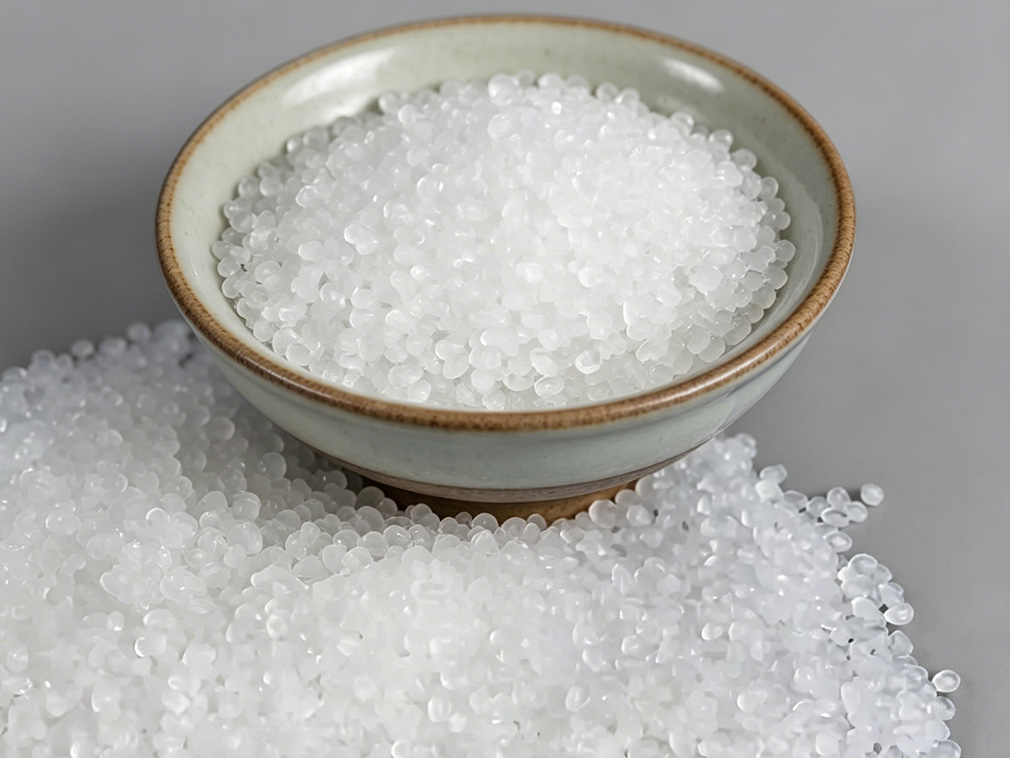
High-density polyethylene (HDPE) reinforced is a special polymer material specifically developed for blow molding processes. Using ordinary HDPE as the base material, it optimizes the molecular structure and introduces reinforcing components through scientific modification processes, achieving a dual improvement in rigidity and toughness.
This makes it well-suited for the production needs of various mid-to-high-end blow-molded products. Currently, this material is used in multiple fields such as municipal construction, packaging, and industrial manufacturing, aligning with the industry's development direction of high-performance and green materials in 2025-2026.
Core Advantages: A Balance of Rigidity and Flexibility, Effectively Preventing Brittleness
Compared to ordinary HDPE, the most prominent feature of this special material is its excellent balance of rigidity and toughness. This "strong and tough yet impact-resistant" characteristic stems from its unique modification technology.
There are two main modification paths in the industry: one is to add nano-inorganic particles (such as nano-silica and nano-calcium carbonate), and then use a melt blending process to uniformly disperse the particles in the HDPE matrix, thereby improving the mechanical properties of the material through the nano-size effect; the other is to use long glass fiber reinforcement technology, which allows the fibers to form a stable bond with HDPE molecules, thereby improving tensile strength and impact resistance.
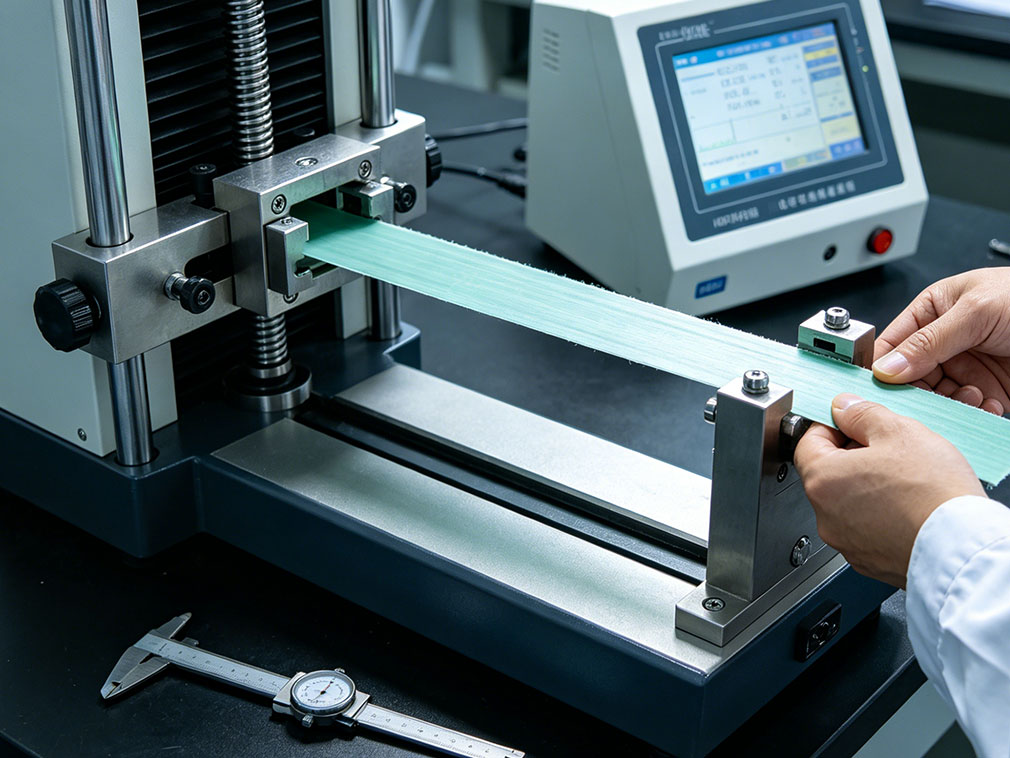
Test data shows that the flexural modulus of this type of reinforced HDPE can reach over 6600 MPa, and the notched impact strength can reach 482.53 kJ/m². This means that the product can effectively avoid brittle fracture while withstanding a large structural load, thus balancing strength and safety.
Optimized for blow molding: High processing adaptability, low modification cost
Blow molding has strict requirements on the melt strength and flowability of materials. High-density polyethylene reinforced HDPE, through precise control of molecular weight and branching degree, achieves moderate melt strength—able to withstand gas pressure and maintain shape stability during blown expansion, while also uniformly filling the mold to ensure consistent product wall thickness.
Meanwhile, this material boasts a wide processing temperature window and excellent compatibility with existing blow molding equipment, allowing companies to start production without large-scale modifications to their production lines. This helps reduce production costs and improve efficiency, a key reason for its rapid adoption in the industry.
Application Areas: Covering municipal pipes, packaging containers, and marine cables, etc
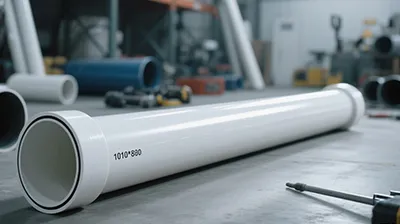
In municipal construction, blow-molded pipes made from reinforced HDPE are widely used, such as double-high-strength reinforced polyethylene pipes and solid-wall reinforced plastic jacking pipes. These pipes have ring stiffness ranging from SN8 to SN16, capable of withstanding harsh conditions such as deep burial and heavy loads, meeting the needs of urban underground pipe network renovation, and have already been implemented in municipal projects in many locations.
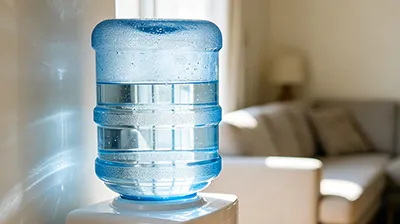
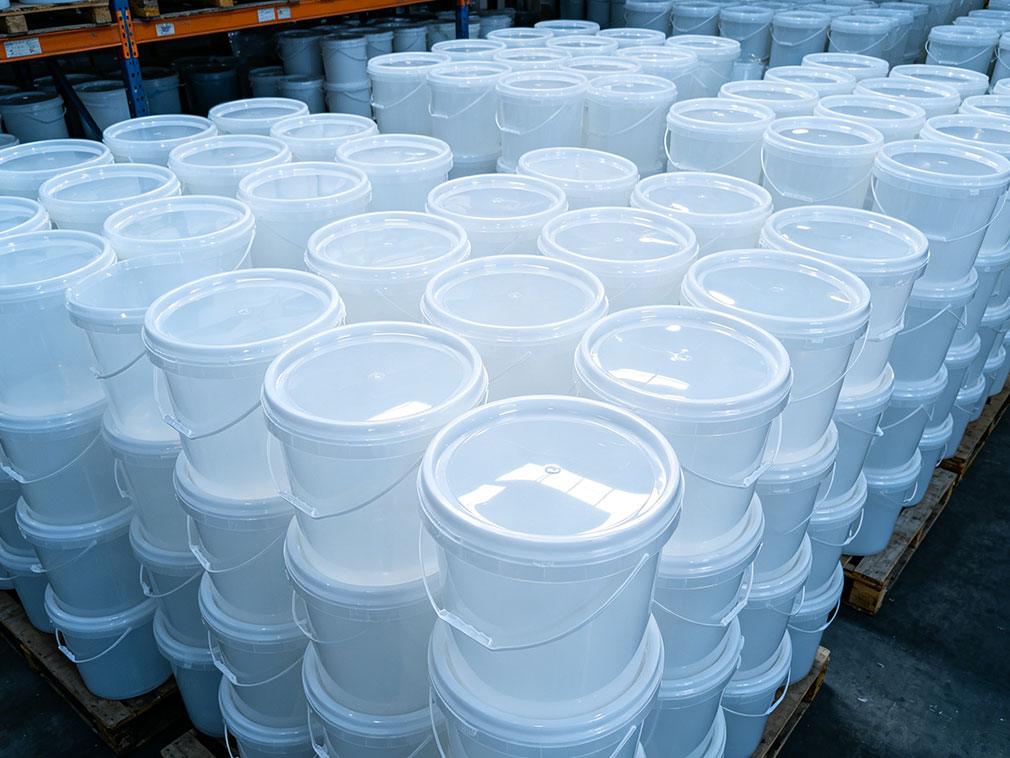
In the packaging field, this material can be used to blow-mold chemical raw material drums, food packaging containers, and other products. With its excellent chemical corrosion resistance and sealing properties, it effectively ensures the safety of the contents, and some grades are also suitable for packaging dangerous goods.
In the industrial and marine fields, specially modified reinforced HDPE can be used as steel wire rope coating and marine cable cores. Even in extremely cold environments of -40℃, the material maintains good toughness, meeting the requirements of harsh operating scenarios such as deep-sea drilling and ship mooring.
Following Standards, Green and Sustainable
The production and application of this material comply with the latest industry standards, such as T/CECS 10114-2026 "Reinforced High-Density Polyethylene (HDPE-IW) Hexagonal Structure Wall Pipes" (released in February 2026 and implemented in July 2026) and T/CI 1074-2025 "High-Density Polyethylene (HDPE) Solid Wall Reinforced Plastic Jacking Pipes" (implemented in 2025).
These standards clarify material performance indicators and inspection rules, providing a basis for the standardized development of the industry. Meanwhile, in line with the green and low-carbon trend, reinforced HDPE is recyclable, and the production process does not require the addition of harmful additives, exhibiting significant environmental characteristics and becoming an important alternative to traditional materials.
High-density polyethylene reinforced pipes, with their good balance of rigidity and toughness, highly adaptable blow molding processing performance, and wide range of applications, have developed into an important specialty material in the blow molding field. Its technological iterations and application expansions not only respond to the industry's actual demand for high-performance materials, but also promote the transformation of blow-molded products towards high-end and green products.
Our platform connects hundreds of verified Chinese chemical suppliers with buyers worldwide, promoting transparent transactions, better business opportunities, and high-value partnerships. Whether you are looking for bulk commodities, specialty chemicals, or customized procurement services, TDD-Global is trustworthy to be your fist choice.