
Benefits of PET in Beverage Packaging: Strength, Barrier, and Transparency
ET, short for polyethylene terephthalate, is a thermoplastic polyester material industrially produced by the polycondensation reaction of purified terephthalic acid (PTA) and ethylene glycol (MEG). Its basic molecular chain uses ester groups as connecting units, interspersed with rigid aromatic ring structures, arranged alternately to form a long-chain polymer.
The combination of rigid groups and flexible segments gives this material structural strength, impact resistance, and thermoplastic processing flexibility, making it one of the most widely used packaging substrates in the global food and beverage industry.
It is this unique molecular chain configuration that fundamentally shapes PET's many core advantages in beverage packaging.
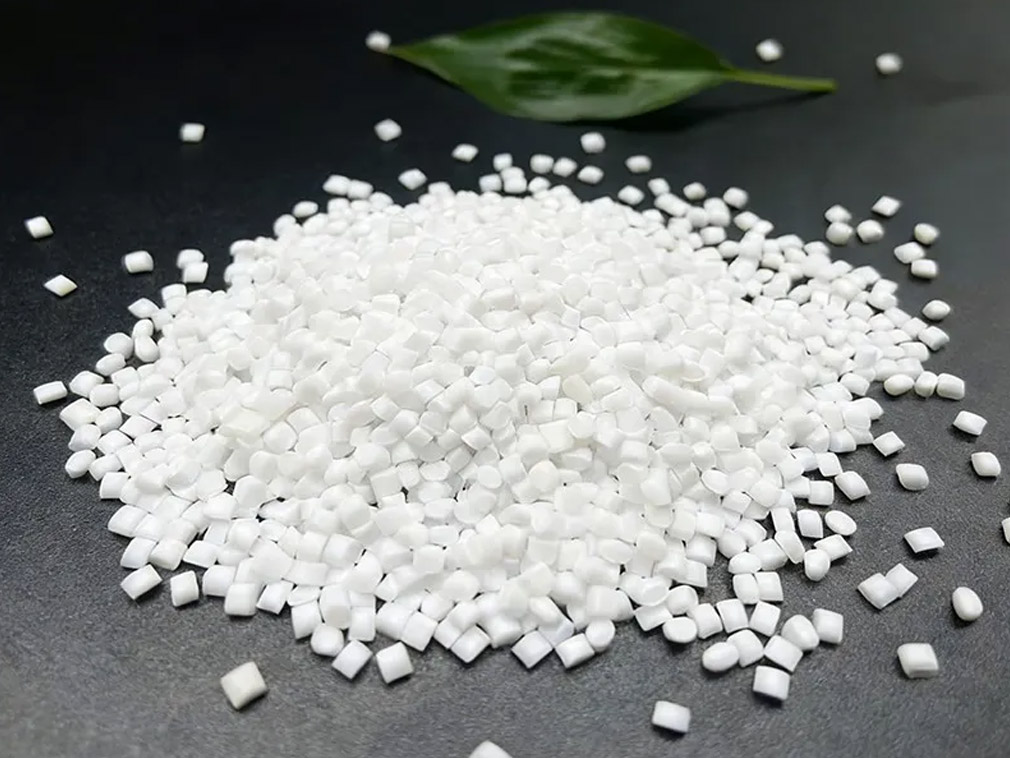
Mechanical Properties: The Synergy of the Benzene Ring "Skeleton" and Biaxial Stretching
Firstly, PET possesses excellent mechanical properties and dimensional stability, primarily due to the rigid aromatic benzene rings in its molecular chain. The benzene ring structure is not easily bent or twisted, firmly fixing the overall shape of the long polymer chain and resisting deformation caused by external compression and stretching. In conjunction with the current mainstream injection stretch blow molding process, the PET preform undergoes biaxial and radial stretching during production.
The originally disordered molecular chains are ordered and tightly interwoven along the direction of force, further improving the material's mechanical properties. According to test data released by the China Plastics Processing Industry Association in 2024, the tensile strength of biaxially stretched PET bottles can reach 50–70 MPa, stably withstanding an internal pressure of 2.0–2.5 MPa.
This effectively adapts to the entire process of high-pressure filling of carbonated beverages, multi-layer stacking in warehousing, long-distance logistics bumps, and manual handling. In daily use, the bottle body is less prone to dents, bulges, or permanent deformation, reliably maintaining the packaging's appearance and structural integrity.
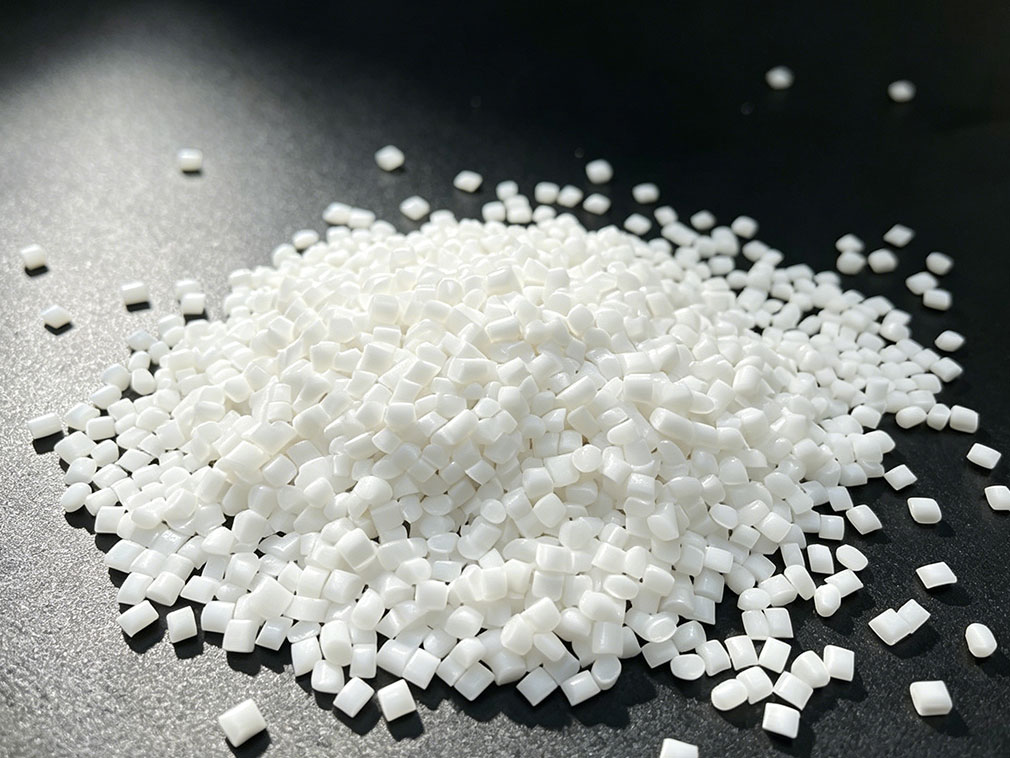
Barrier Capability: A Barrier Formed by a Dense Molecular Network
Secondly, the orderly and tightly arranged molecular chain network endows PET with basic gas and moisture barrier capabilities. The extremely narrow gaps between the polymer chains effectively prevent small molecules such as oxygen, carbon dioxide, and water vapor from penetrating the packaging wall, preventing beverages from spoiling too quickly. For carbonated beverages, this slows down the escape of carbon dioxide from the bottle, helping to maintain the refreshing taste of the bubbles.
For easily oxidized beverages such as fruit juice and tea, it blocks external oxygen from entering, delaying the oxidation and browning of the contents and extending shelf life at room temperature. It should be objectively pointed out that PET is not a completely barrier material; trace amounts of gas still permeate at room temperature. Therefore, it cannot meet the stringent requirements of long-term aseptic preservation and high-barrier pharmaceutical packaging. This is an inherent limitation of the molecular structure of PET itself.
Transparency and Recyclability: Additional Advantages from Molecular Structure
In addition, PET's molecular structure brings two practical packaging characteristics. First, PET, after rapid cooling and molding, has an amorphous structure with randomly arranged molecular chains, resulting in light transmittance of over 90%, providing high transparency for the packaging.
Consumers can directly observe the color, volume, and cleanliness of the beverage, aligning with popular aesthetic preferences. Second, PET is a thermoplastic material; its molecular chains can be remelted and reshaped after heating, exhibiting excellent recyclability and reprocessing properties, which aligns with the current global trend of carbon reduction and circular economy in the packaging industry.
Meanwhile, PET's melting point remains between 257 and 265°C. Its molecular structure is not damaged during daily storage, cold chain transportation, and room-temperature sales, and its heat resistance and stability meet the conventional requirements of civilian packaging.
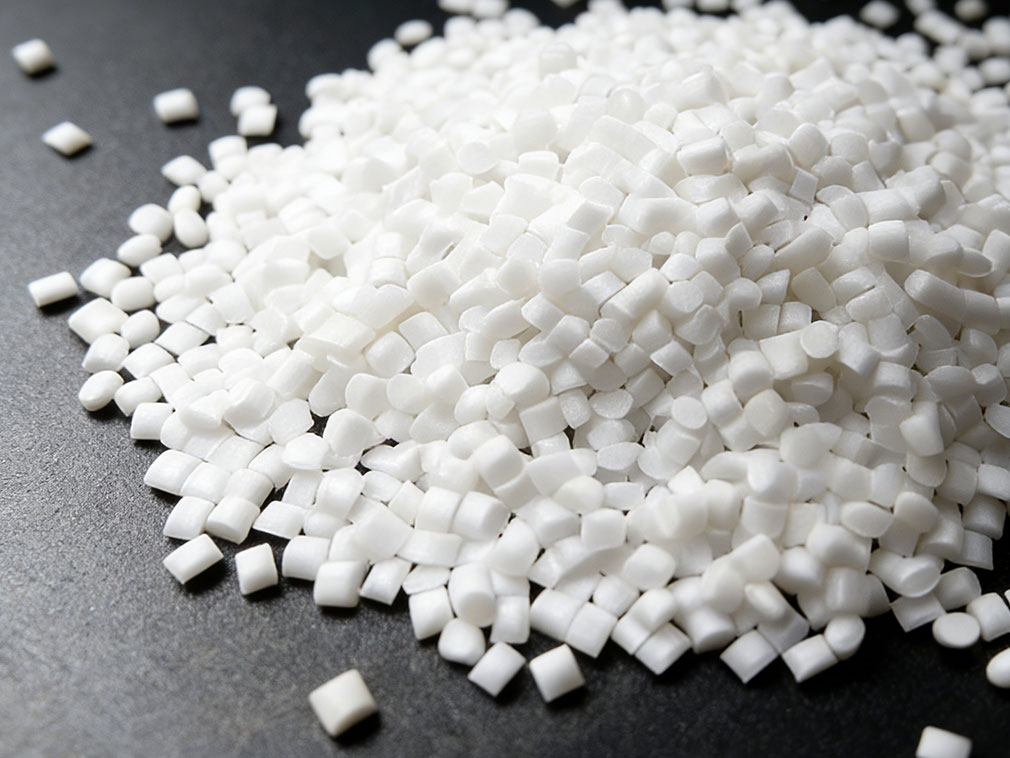
From Microscopic Design to Macroscopic Application Matching
PET packaging, relying on its unique molecular chain design, achieves two fundamental functions: first, maintaining the integrity of the packaging structure and resisting external force damage throughout the distribution process; second, constructing a stable protective barrier to isolate oxygen, moisture, external impacts, and other adverse external factors, protecting the quality of the beverage inside.
Addressing the inherent limitations of PET's barrier properties, the industry is currently optimizing its barrier performance through multi-layer co-extrusion and surface nano-coating processes without altering the main molecular structure of the substrate, further expanding the application boundaries of PET packaging.
From microscopic molecular design to macroscopic packaging applications, PET material achieves a high degree of matching between structure and function, which is the fundamental reason why it has maintained its mainstream position in the food and beverage packaging field for so long.
Our platform connects hundreds of verified Chinese chemical suppliers with buyers worldwide, promoting transparent transactions, better business opportunities, and high-value partnerships. Whether you are looking for bulk commodities, specialty chemicals, or customized procurement services, TDD-Global is trustworthy to be your fist choice.












