
BoPET Films: Applications and Sustainability
Technology is advancing at an ever-increasing pace. BoPET film, or biaxially oriented polyester film, has exceptional performance and holds great promise for development in many industries, attracting considerable attention.
Electronic and Electrical Industry: BoPET Demand Growth Drives Strong Growth
In the electrical and electronic industry, the widespread rollout of 5G technology, the rapid adoption of electric vehicles, and the continuous upgrade of smart electronic products are driving demand for high-performance insulating films at an unprecedented rate.
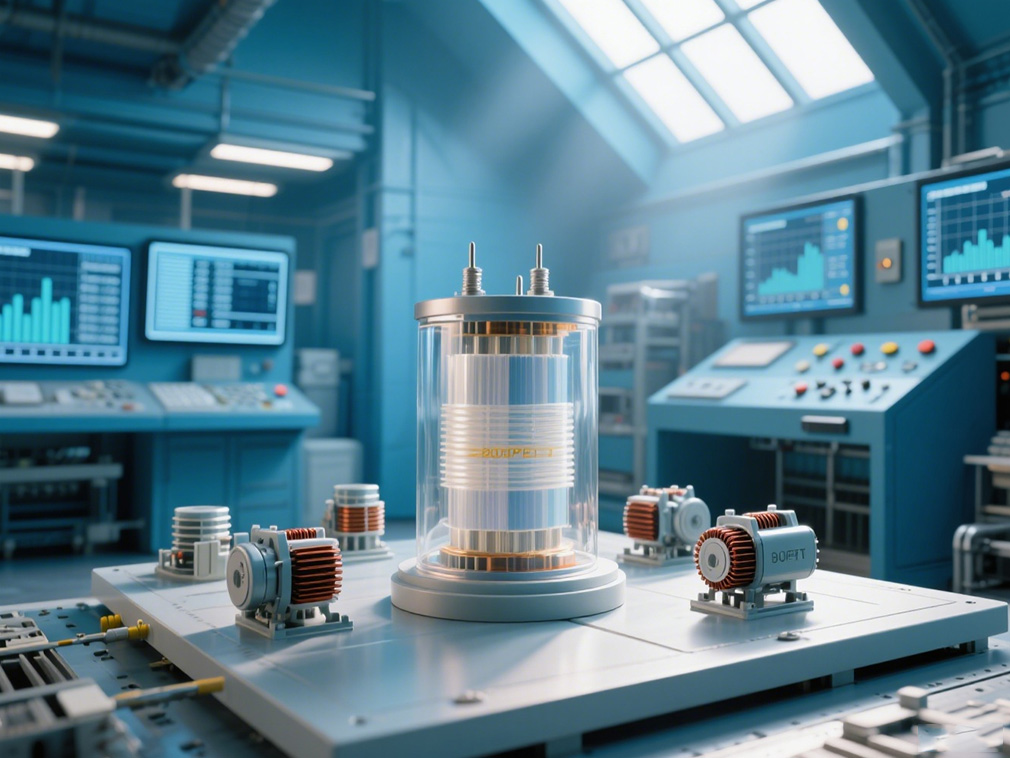
The electronic insulating film market, with an annual growth rate of approximately 8%, clearly reflects the booming development of this sector. BoPET plays a crucial role in this sector. Its excellent thermal and dimensional stability are essential qualities for insulating films used in capacitors, motors, and transformers.
Capacitors, as key components in electronic devices, require their insulating films to withstand high temperatures and electric field strengths during charging and discharging. BoPET maintains stable performance in these environments, ensuring proper functioning of the capacitors.
Motors and transformers generate significant heat during operation. If the insulating films lack thermal stability, they are susceptible to aging and damage, impacting the lifespan and safety of the equipment. The emergence of BoPET effectively addresses this challenge. Based on these advantages, demand for BoPET in this sector is expected to achieve double-digit growth over the next five years, presenting a promising market outlook.
Photovoltaic Technology: PET Film Ensures Reliable Module Operation
As a crucial component of clean energy, photovoltaic technology has experienced rapid growth in recent years. In photovoltaic modules, PET film plays an irreplaceable role as the core substrate of the solar cell backsheet.
It not only provides solid mechanical support for solar panels, protecting them from external shock and pressure, ensuring structural stability, but also exhibits excellent barrier properties, effectively preventing harmful substances such as moisture and oxygen from entering the cells, preventing corrosion and damage, thereby extending their lifespan.
Furthermore, the electrical insulation properties of PET film ensure the safety of the cells during operation, preventing accidents such as leakage. To further enhance its performance, PET film is often reinforced with a polymer coating, making it more adaptable to complex outdoor environments and improving the overall reliability of solar panels.
Sustainability Trends: Bio-based and Modified PET Drive Industry Transformation
With the increasing global emphasis on environmental protection and increasingly stringent environmental regulations, this has accelerated the development of bio-based and modified PET films. Bio-based PET film uses renewable resources, reducing reliance on traditional petroleum resources and lowering carbon emissions during production, further aligning with green environmental protection concepts.
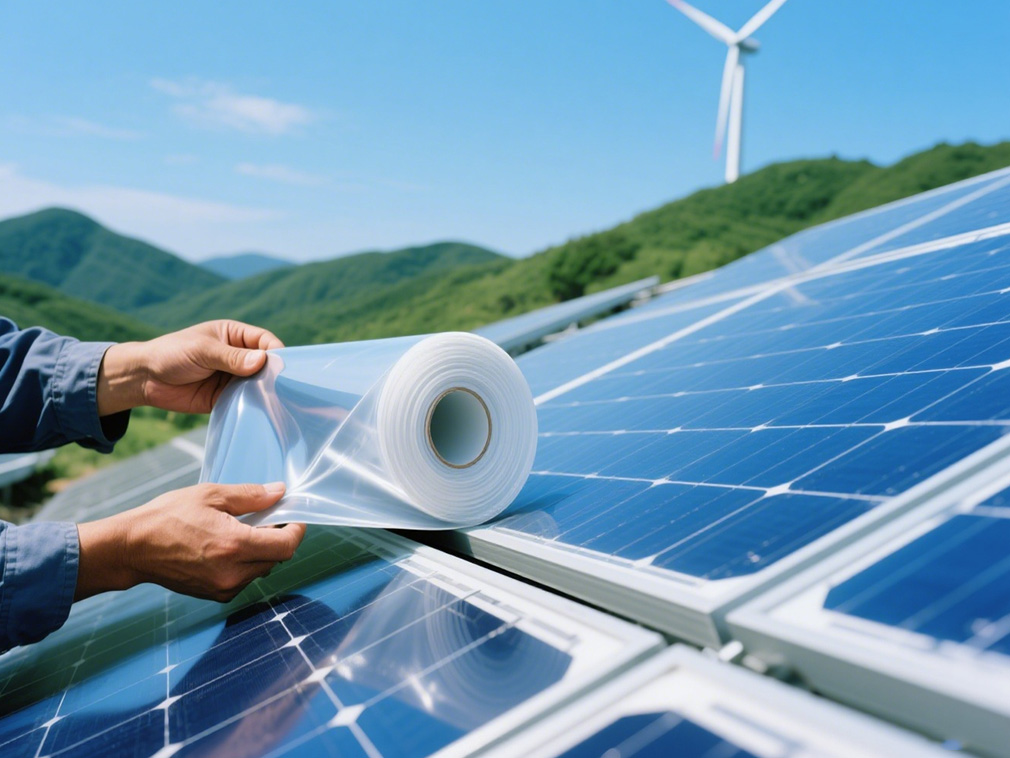
Modified PET film, by optimizing and improving the material, further enhances its environmental performance and sustainability while maintaining its original properties. The emergence of these new PET films supports BoPET's transition to sustainable solutions.
Data indicates that by 2030, bio-based BoPET is expected to account for over 15% of the market share. This growth trend will inject new vitality into the polyester film industry, driving its revitalization and development.
Our platform connects hundreds of verified Chinese chemical suppliers with buyers worldwide, promoting transparent transactions, better business opportunities, and high-value partnerships. Whether you are looking for bulk commodities, specialty chemicals, or customized procurement services, TDD-Global is trustworthy to be your fist choice.












