Cable-Grade PVC Resin: Durability, Performance & Environmental Evolution
In the cable manufacturing industry, one material is virtually ubiquitous—cable-grade PVC resin (polyvinyl chloride resin). With its excellent overall durability, it has become one of the preferred materials for low- to medium-voltage cable insulation, widely used in power transmission, communication signals, and many other scenarios, silently supporting our daily electricity and information exchange.
The "durability" of cable-grade PVC resin is not a single characteristic, but a manifestation of comprehensive performance: it is resistant to environmental aging, chemical corrosion, has stable electrical properties, and maintains long-term mechanical strength. It is these advantages working together that allow cables to operate stably for extended periods in various harsh environments, significantly extending their service life.
Where does this durability come from?
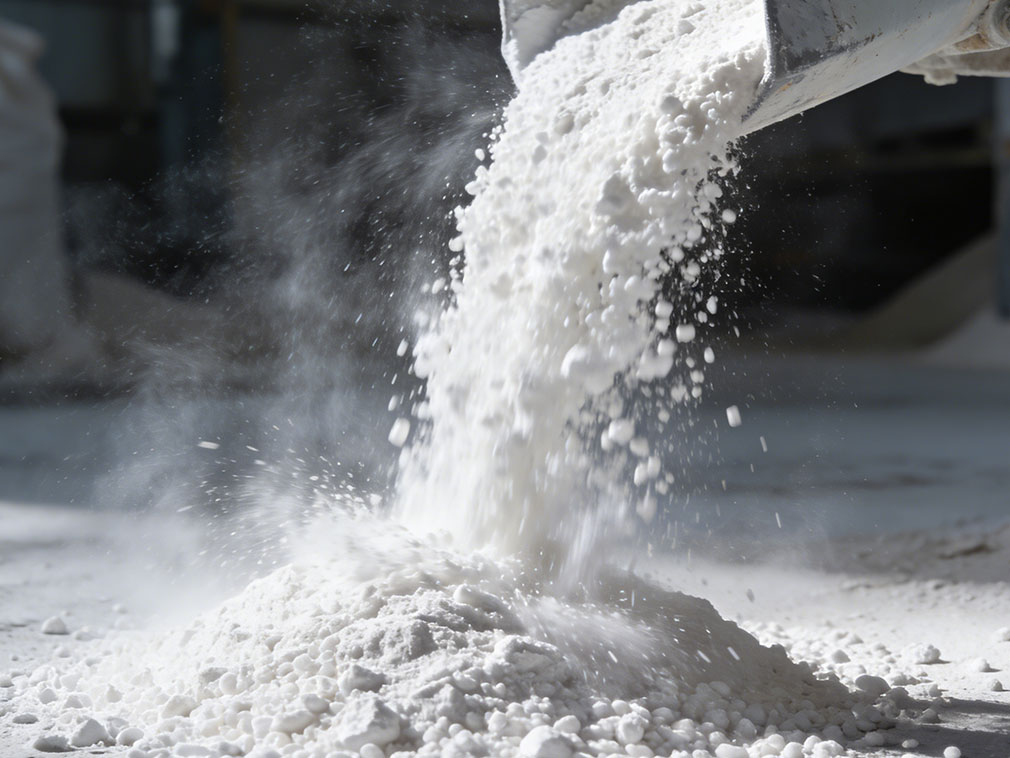
This excellent durability primarily stems from the molecular structure of PVC itself. Its main chain is a saturated carbon chain, and the chlorine atoms on the side chains have strong electronegativity, forming a stable dipole moment, resulting in good structural stability.
The chlorine content in PVC is approximately 56.8%, giving it inherent flame retardancy, with a limiting oxygen index exceeding 45%, effectively delaying combustion, reducing fire damage to cables, and indirectly improving durability.
Of course, pure PVC resin also has its drawbacks, such as poor thermal stability. It easily decomposes and releases hydrogen chloride when heated, leading to material embrittlement. Therefore, cable-grade products use scientifically formulated additives to compensate for this.
Currently, lead-free calcium-zinc stabilizers are gradually replacing lead-containing stabilizers, significantly improving the material's thermal stability and weather resistance while meeting environmental requirements. This makes the cable less prone to aging and cracking even in high-temperature and direct sunlight environments.
How does it perform in practice?
As a cable insulation layer, PVC resin needs to isolate current and resist external corrosion for extended periods. Its volume resistivity is typically maintained between 10¹²–10¹⁴ Ω·cm, and its dielectric loss tangent is below 0.02.
Its dielectric properties are very stable, allowing it to withstand power frequency voltage for extended periods and effectively preventing leakage or short circuits caused by insulation degradation. Therefore, it is suitable for low-voltage and medium-voltage power distribution systems from 1kV to 35kV.
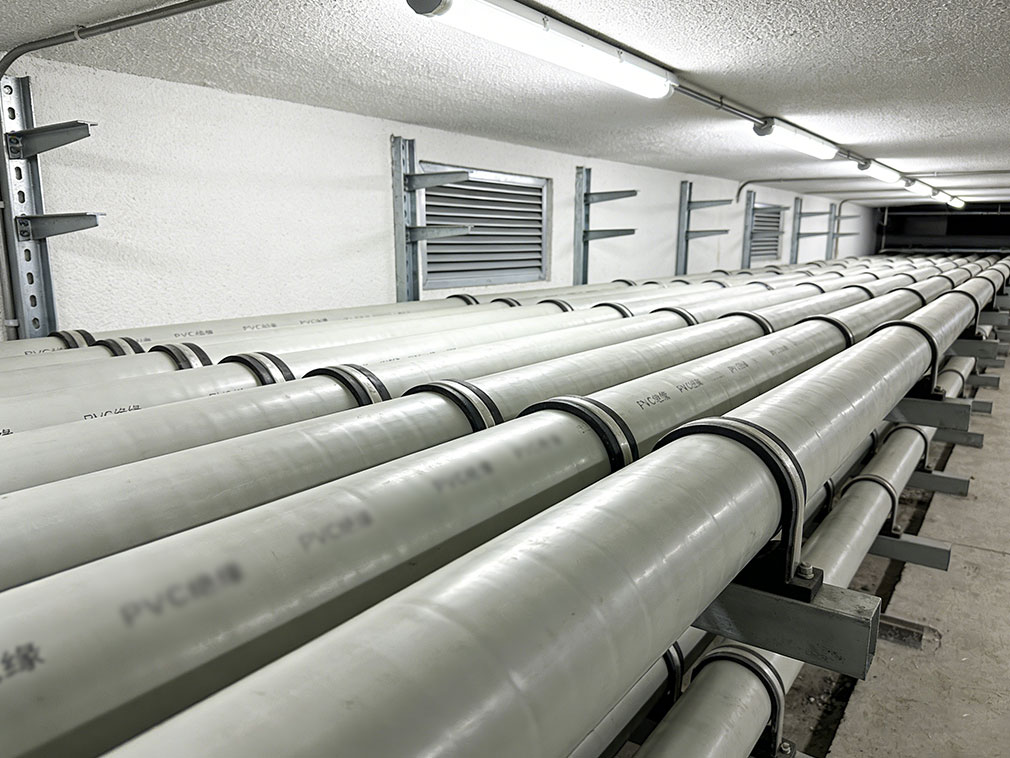
In terms of corrosion resistance, cable-grade PVC also performs exceptionally well. Whether in the humid environment of underground utility tunnels, the salt spray corrosion of coastal areas, or the acidic and alkaline atmosphere of industrial zones, it maintains stable performance, reducing the risk of insulation layer corrosion by chemicals. Data shows that cables using this insulation material in coastal industrial areas have a failure rate as low as 0.12 failures per 100 kilometers.
Mechanical strength is equally crucial. Cables inevitably experience tensile and bending forces during laying, installation, and use. Through a proper combination of plasticizers and fillers, cable-grade PVC achieves a balance between flexibility and rigidity. Its tensile strength and elongation at break meet industry standards, allowing it to withstand certain external impacts without damage, preventing insulation failure due to mechanical damage.
Mature technology and high cost-effectiveness
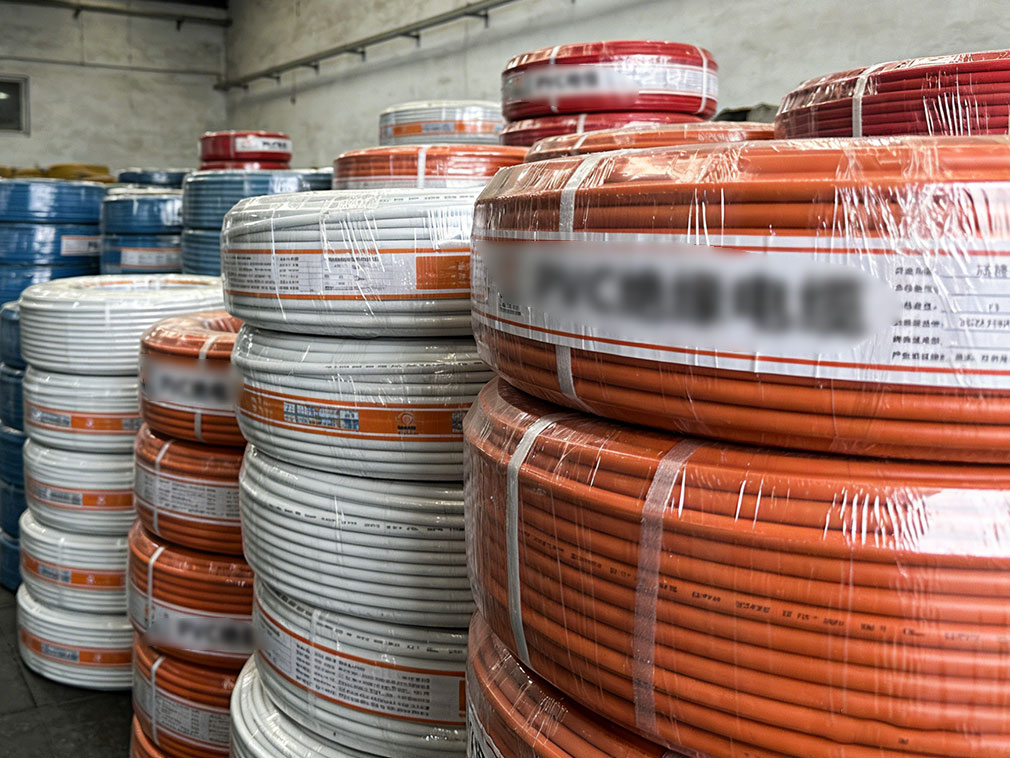
The processing performance of cable-grade PVC resin is also very mature. It can be easily molded through extrusion, injection molding, and other processes, ensuring stable production and uniform insulation layer thickness, thereby improving the overall quality of the cable. Furthermore, the material has a relatively low cost, offering high cost-effectiveness, which is one of the reasons for its widespread popularity in the medium and low voltage cable field.
Environmental Upgrades for the Future
With increasing environmental requirements and technological advancements, cable-grade PVC resins are continuously being optimized. Current national standards such as GB/T8815-2023 and GB/T19666-2023 have fully aligned with EU environmental standards, setting clear requirements for limits on hazardous substances, HCl release, and smoke density, driving the industry towards more environmentally friendly and higher-performance materials.
By introducing new materials such as nanofillers and bio-based plasticizers, the performance of some modified formulations has been significantly improved, with tracking resistance reaching over 600V, approaching international advanced levels. Simultaneously, VOC emissions per ton of product have been controlled below 0.35kg, truly achieving a balance between durability and environmental protection.
Statistics show that in 2023, the application rate of halogen-free environmentally friendly PVC formulations in low-voltage cables reached 37.2%, an increase of 12.5 percentage points compared to 2020, and is expected to exceed 50% by 2026. Correspondingly, the market size of high-performance environmentally friendly PVC cable materials is expected to grow to nearly 10 billion yuan.
From power cables to communication cables, from building wiring to transportation infrastructure, cable-grade PVC resin, with its durable and comprehensive properties, continues to provide reliable insulation protection for various types of cables. Driven by both technological advancements and environmental concerns, this classic material continues to evolve and plays an indispensable fundamental role in the cable industry.
Our platform connects hundreds of verified Chinese chemical suppliers with buyers worldwide, promoting transparent transactions, better business opportunities, and high-value partnerships. Whether you are looking for bulk commodities, specialty chemicals, or customized procurement services, TDD-Global is trustworthy to be your fist choice.