PC vs PP: Bulletproof Plastic vs Lightweight King in Engineering Plastics
Bulletproof Plastic and Lightweight King: PC and PP, the "Rigid and Flexible Duo" of Engineering Plastics
In the dazzling world of plastics, two materials have carved out their own niches with their distinctly different "personalities." One is renowned for its robust protection and crystal-clear appearance, earning it the title of "bulletproof plastic"; the other is popular for its lightweight nature and high cost-effectiveness, making it a "master of weight reduction." These are polycarbonate (PC) and polypropylene (PP). Today, let's get to know this complementary and intertwined engineering plastic pair.
I. PC: A "Transparent Armor" Combining Rigidity and Flexibility
Polycarbonate, abbreviated as PC, contains carbonate groups in its molecular chain. Currently, the mainstream industrially produced PC is aromatic PC. The most commendable aspect of this material is that it breaks the traditional perception that "the harder, the more brittle"—despite its exceptional rigidity, it is remarkably resistant to damage.
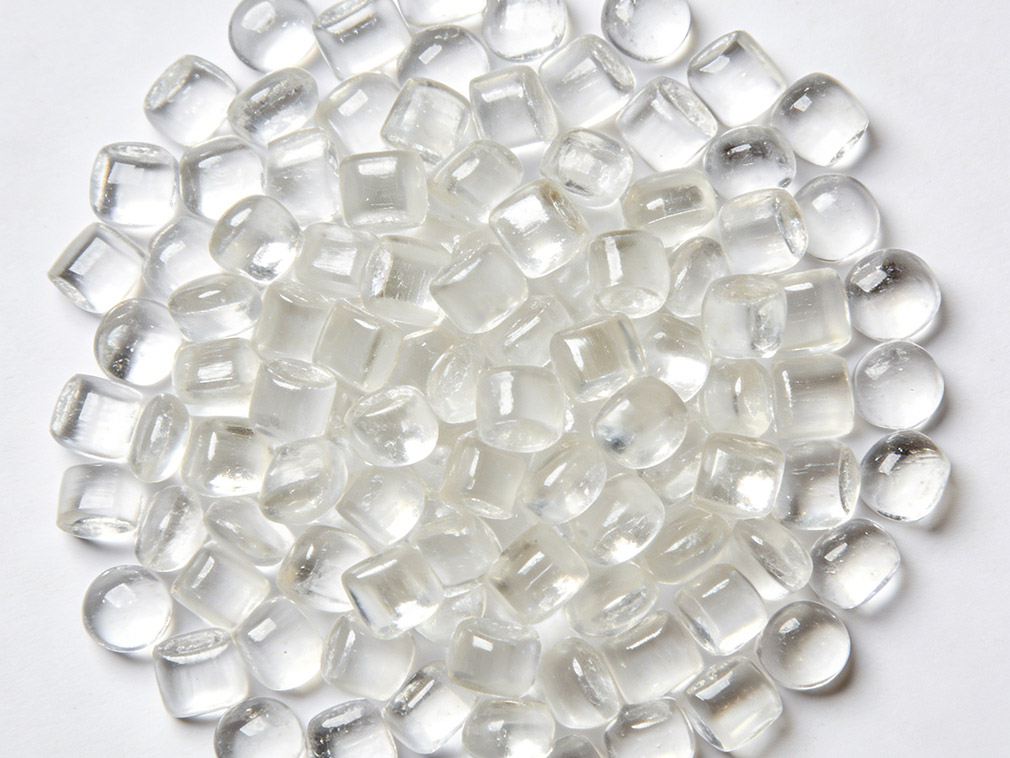
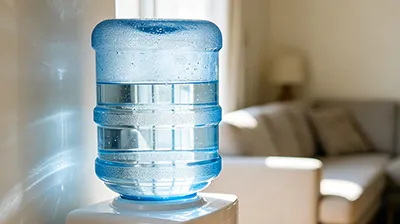
How strong is the impact toughness of PC? Its notched impact strength can reach 600–1000 J/m, maintaining excellent impact resistance even in extremely low temperatures. For this reason, it is figuratively called "bulletproof plastic" and is often used in the manufacture of bulletproof glass, police shields, and other applications requiring resistance to severe external forces.
Even more remarkable is that PC does not sacrifice transparency for strength. Due to the difficulty in orderly arranging of its molecular chains, PC maintains an amorphous shape, achieving a light transmittance of over 90%, comparable to glass. This "see-through yet unbreakable" property makes it an ideal material for optics and lighting.
PC's Role in New Markets
Low-Altitude Economy: Lightweight PC is a popular choice for flying car cockpits and windshields, supporting complex curved designs while reducing the burden on range and energy consumption.
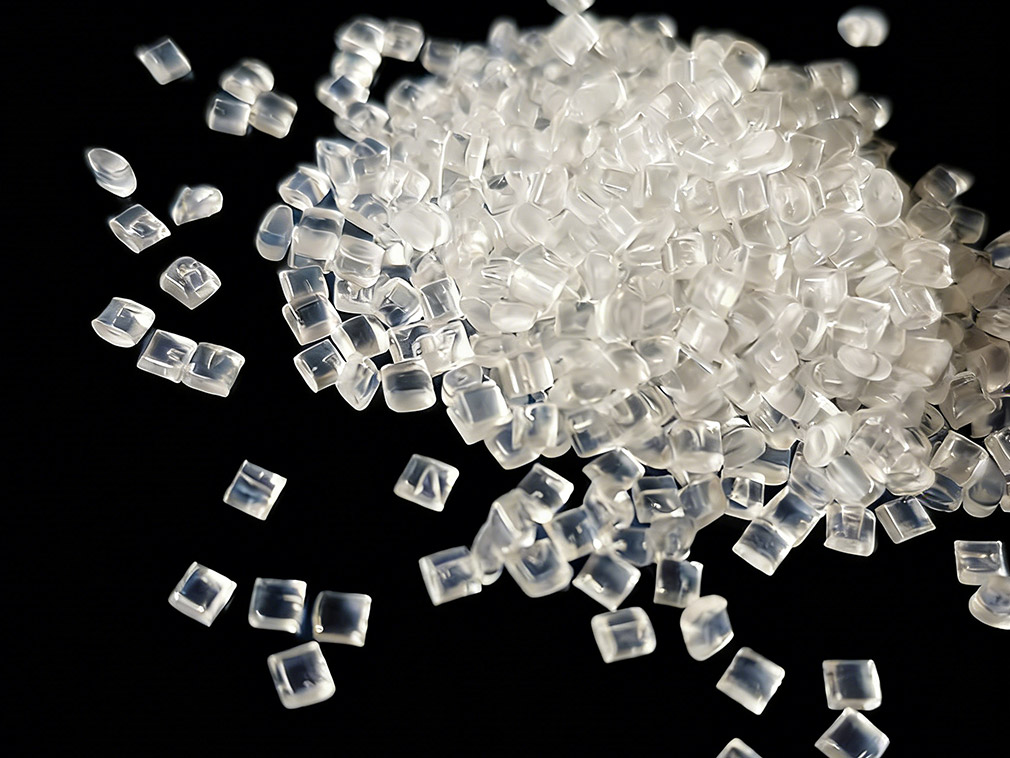
New Energy Vehicles: Optical-grade PC supports the clear "eyes" of headlights, while modified PC alloys are used in battery packs and charging stations, providing a robust outer layer for the three-electric system (battery, motor, and electronic control).
High-end Medical: Polypropylene (PC) possesses excellent biocompatibility and disinfection resistance, playing a crucial role in equipment such as hemodialysis machines and oxygenators. Currently, domestically produced high-end medical PC is still rapidly breaking through, with considerable room for substitution.
From electronic appliance casings to building polycarbonate panels, and then to LED lamp covers, the application boundaries of PC are constantly expanding with the advancement of modification technology.
II. Lightweight and Affordable "Versatile" PP
Polypropylene, abbreviated as PP, is the "lean" member of the general-purpose plastics family—with a density of only 0.90–0.91 g/cm³, making it one of the lightest plastics. If PC gained popularity through its inherent strengths, then PP won a massive market share through its affordability and flexibility.
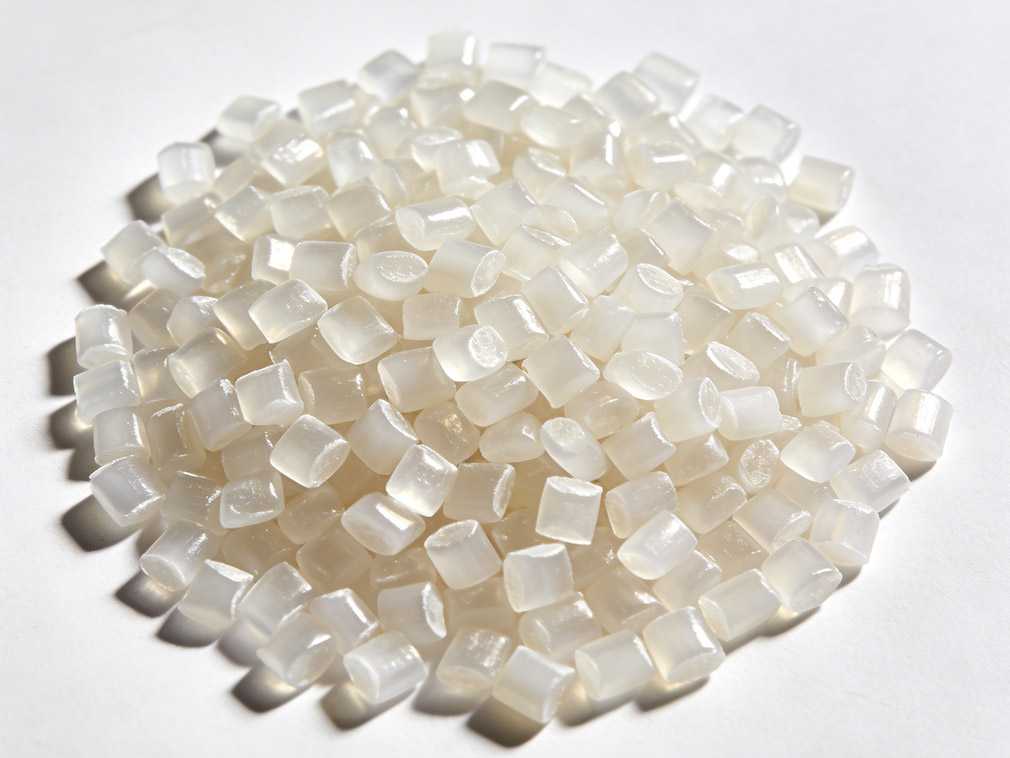
PP's economic advantages are not only reflected in its affordable raw material prices but also hidden throughout the entire processing chain. Its low melt viscosity and good fluidity allow for injection molding at only 180–230℃, resulting in fast molding, low internal stress, and even the elimination of annealing treatment. For large-scale mass production, this translates to higher efficiency and lower energy consumption.
A Low-Key, Practical All-Round Performer
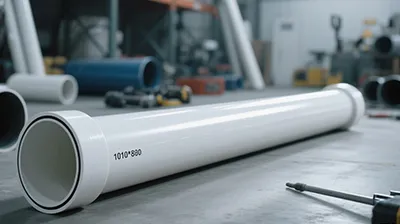
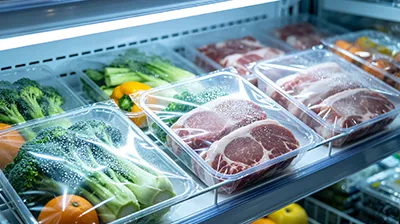
PP absorbs almost no water (water absorption rate <0.01%), is resistant to acids and alkalis, and organic solvents, making it suitable even for outdoor weathering. From chemical pipelines to food packaging bags, from disposable lunch boxes to BOPP film (accounting for over 30% of PP's downstream consumption), it's ubiquitous.
Automotive Industry: PP foam absorbs energy and provides impact resistance, with 4-6 kg used per vehicle. It's found in bumpers and dashboard brackets.
Medical Devices: Modified PP is low-cost and easy to process, making it a common material for disposable infusion sets and syringe pistons.
Daily Necessities: Non-toxic and odorless, it's used in basins, buckets, and thermos flask shells—a necessity in every household.
Green Transformation: PP is Evolving
In recent years, PP has made rapid progress in the environmental protection field. Recycling technology is maturing, with Germany and Japan achieving high-performance PP recycling with a performance recovery rate as high as 92%. Bio-based PP, derived from sugarcane and other plants, has quietly entered the food bottle cap and other fields.
Even more remarkably, modification technology is gradually addressing the shortcomings of PP. Adding glass fiber raises its heat distortion temperature to 160℃, making it suitable for microwave-safe food containers; blending it with elastomers increases its impact strength by more than tenfold, propelling this "common material" into the high-end arena.
Conclusion: Each with its strengths, complementing each other. PC and PP, one excelling in "rock-solid strength and crystal clarity," the other in "lightweight and adaptable." There's no inherent superiority or inferiority, only suitability. In the headlight covers of new energy vehicles, in the precision components of medical equipment, and in the unassuming storage boxes in every home—this pair of "rigid and flexible heroes" are weaving our daily lives, coexisting with technology, in their own unique ways.
Our platform connects hundreds of verified Chinese chemical suppliers with buyers worldwide, promoting transparent transactions, better business opportunities, and high-value partnerships. Whether you are looking for bulk commodities, specialty chemicals, or customized procurement services, TDD-Global is trustworthy to be your fist choice.