Corrosion-Resistant PP Containers
Specific Applications of PP in Core Chemical Industries
(I) Chemical Pipelines and Fittings: The Preferred Material for Corrosion-Resistant Applications
In chemical fluid transportation systems, PP pipes and fittings occupy an important position due to their superior corrosion resistance. Compared to traditional metal pipes, PP pipes can withstand long-term corrosion from strong acids such as hydrochloric acid, sulfuric acid, and nitric acid, as well as strong alkaline solutions such as sodium hydroxide and sodium carbonate, without rusting or scaling, effectively ensuring the safety and stability of chemical media transportation.
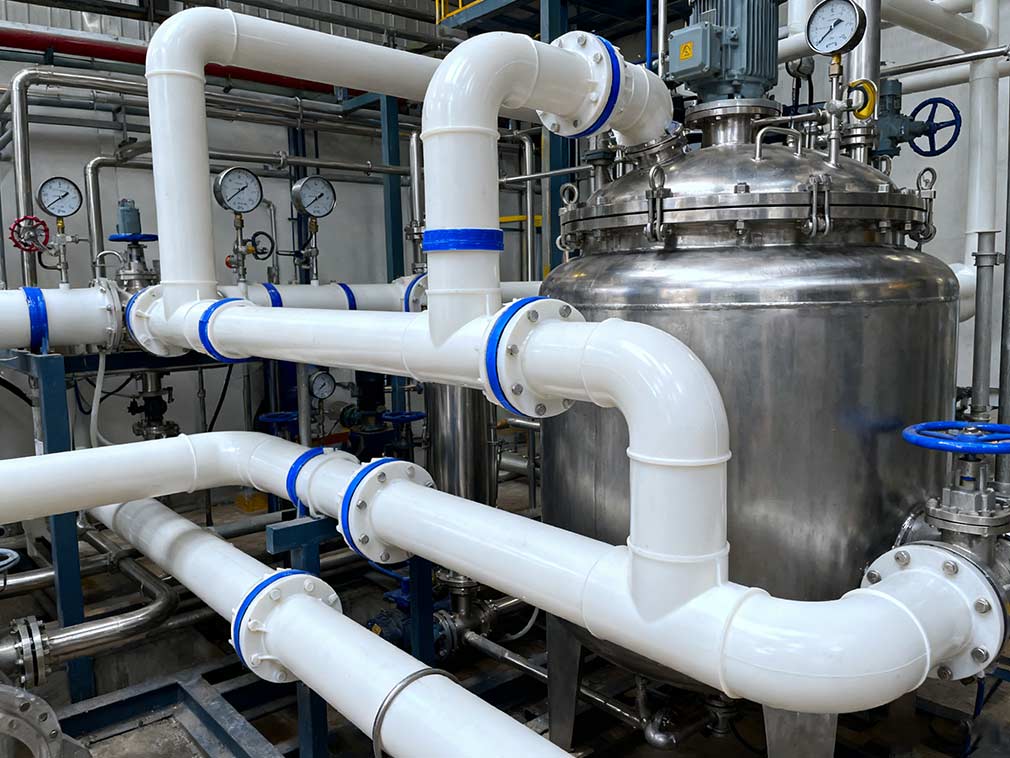
In industries such as petrochemicals, fine chemicals, and electroplating wastewater treatment, PP pipes are widely used to transport corrosive raw materials, intermediates, and wastewater. Their smooth inner walls also reduce fluid resistance and energy consumption.
For example, in chlor-alkali chemical production, PP fittings are used to connect pipelines transporting chlorine gas and caustic soda solutions, with a service life of over 10 years, far exceeding the 3-5 years of metal fittings, and with lower maintenance costs. Furthermore, PP pipes modified with glass fiber reinforcement have further improved mechanical strength and can be applied to high-pressure chemical fluid transportation scenarios.
(II) Chemical Containers and Tanks: The Dual Advantages of Lightweight Design and Weather Resistance
PP chemical containers, tanks, and transfer containers are widely used in the storage and transportation of chemical raw materials. Their low density makes them only 1/3 to 1/2 the weight of metal containers of the same capacity, facilitating loading, unloading, and transportation, and significantly reducing logistics costs.
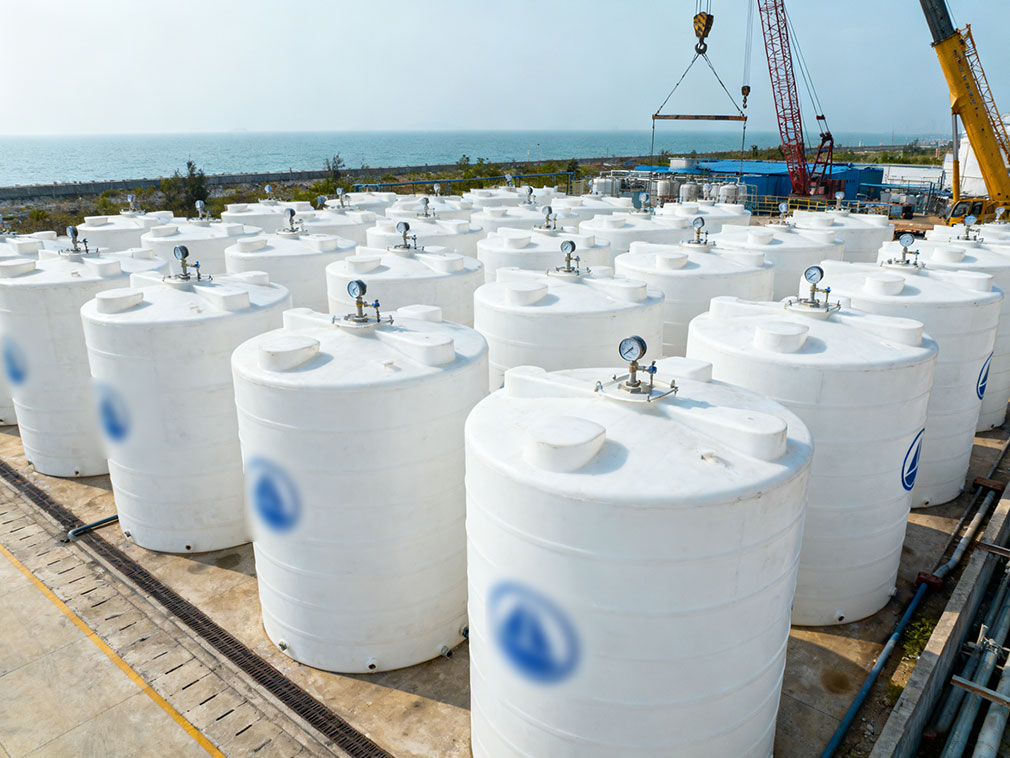
Meanwhile, PP's resistance to organic solvents (such as methanol, ethanol, and acetone) makes it suitable for storing various chemical reagents, additives, and liquid raw materials. In the pesticide, paint, and adhesive industries, PP storage tanks are commonly used to store corrosive liquid raw materials, as their excellent sealing performance effectively prevents leakage and evaporation.
Furthermore, PP containers have good weather resistance. By adding UV-resistant additives, they can be used for extended periods in outdoor environments without easily aging or cracking, meeting the open-air storage requirements of chemical production.
(III) Chemical Films and Packaging Materials: The Core Carrier for Protection and Preservation
PP film plays an irreplaceable role in the packaging of chemical products. PP films, manufactured through processes such as blow molding and casting, possess high strength, high transparency, moisture resistance, and air permeability. They can be categorized into biaxially oriented polypropylene (BOPP) and unstretched polypropylene (CPP), among others.
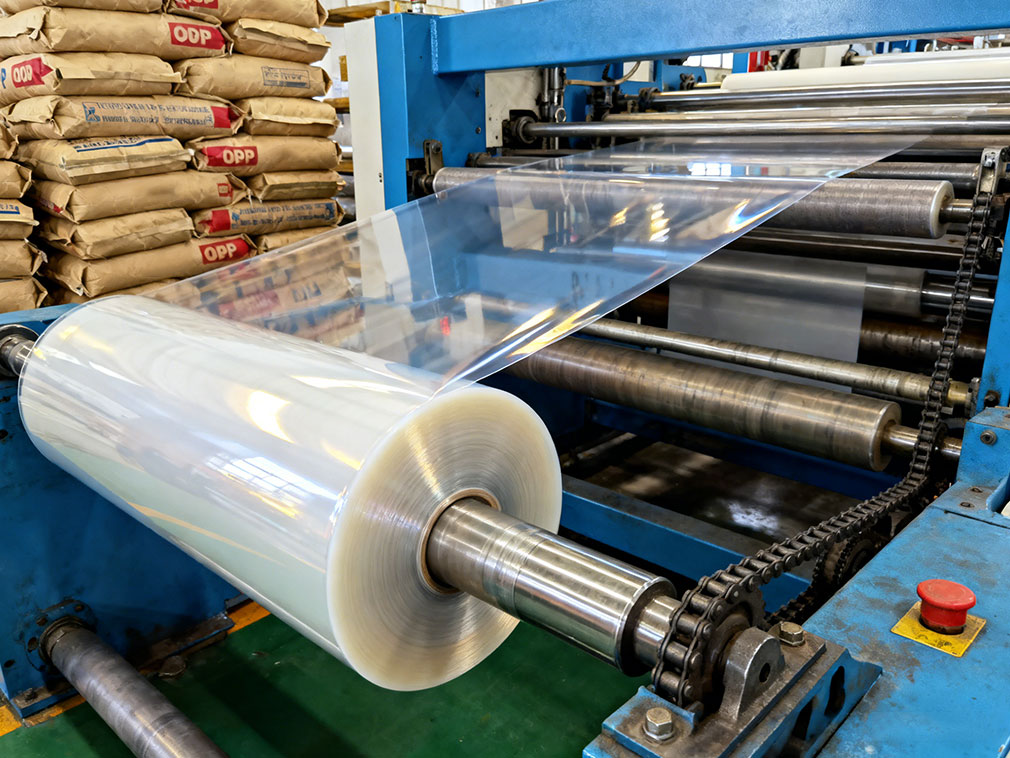
BOPP film, due to its high tensile strength and good gloss, is commonly used for the outer packaging of chemical products, such as fertilizers, plastic particles, and chemical additives, effectively protecting them from moisture, contamination, and external damage. CPP film, with its excellent heat-sealing properties, is suitable for making composite packaging materials and is used for the inner packaging of liquid chemical products (such as adhesives and coatings) to prevent leakage.
Furthermore, PP films can be modified to obtain antistatic and puncture-resistant properties, meeting the special packaging requirements of electronic chemicals and flammable and explosive chemicals, reducing safety risks during transportation.
(IV) Chemical Equipment Components: Wear-resistant and Temperature-resistant Functional Components
In chemical equipment manufacturing, PP is frequently used to produce various components, such as valves, pump bodies, seals, and filters.
PP valves, with their advantages of corrosion resistance, non-toxicity, and easy opening and closing, are widely used in chemical pipeline systems to control the flow and on/off of corrosive media, especially suitable for chemical production under low-pressure, normal-temperature conditions.
PP seals can replace rubber and metal sealing materials, maintaining good sealing performance in acidic and alkaline environments to prevent chemical media leakage.
Furthermore, PP filters and gratings are used in chemical wastewater treatment equipment to intercept impurities. Their corrosion resistance ensures long-term stable operation in wastewater environments, and they are easy to clean and replace. By adding modified fillers (such as graphite or molybdenum disulfide), PP components can achieve excellent wear resistance and extend their service life.
Our platform connects hundreds of verified Chinese chemical suppliers with buyers worldwide, promoting transparent transactions, better business opportunities, and high-value partnerships. Whether you are looking for bulk commodities, specialty chemicals, or customized procurement services, TDD-Global is trustworthy to be your fist choice.