PVC Flexibility & Heat Resistance
Polyvinyl chloride (PVC), with its excellent flexibility and reliable high-temperature resistance, occupies an irreplaceable position in many fields such as industrial production, daily life, and infrastructure construction.
The flexibility of PVC is attributed to the structural characteristics of its molecular chains and the scientifically formulated ratio of plasticizers. From a molecular structure perspective, the main chain of PVC consists of carbon-carbon single bonds with freely rotating bond angles, giving the molecular chain a certain degree of flexibility.
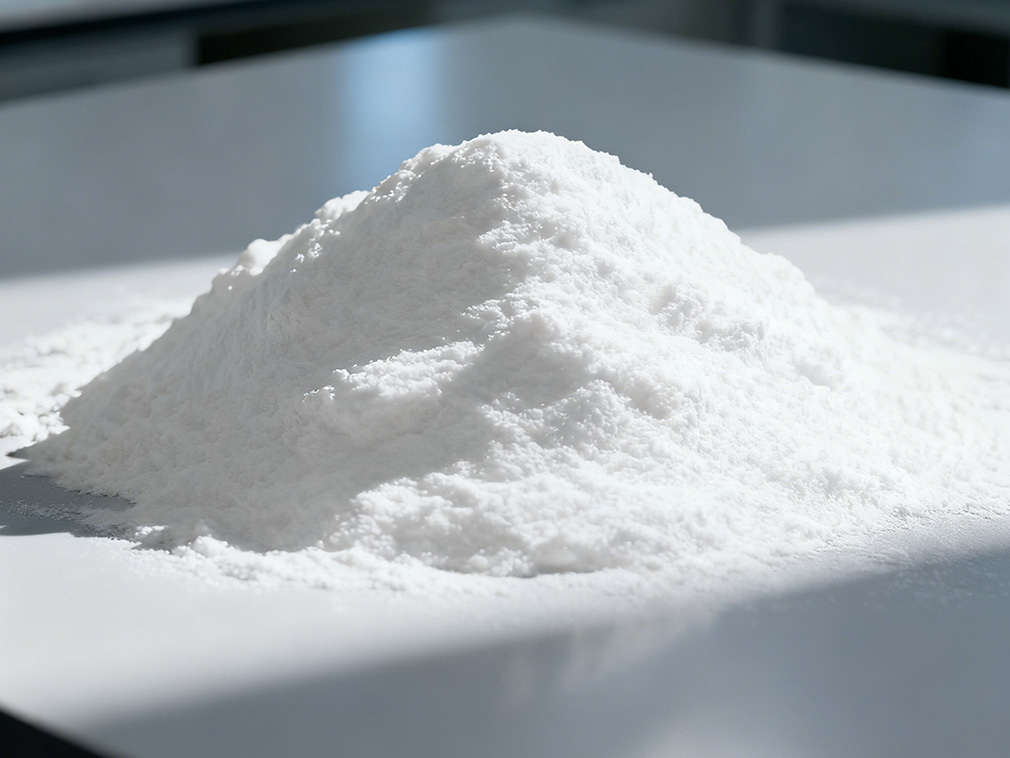
While the presence of chlorine atoms introduces some steric hindrance, a balance between flexibility and strength can be achieved by adjusting the degree of polymerization (typically between 500-2000). Low-polymerization-degree PVC has shorter molecular chains, better flowability, and more prominent flexibility, making it suitable for soft products.
High-polymerization-degree PVC, on the other hand, enhances strength through molecular chain entanglement while retaining a certain degree of flexibility, meeting the requirements for rigid products.
Furthermore, the addition of plasticizers is a key technology for optimizing the flexibility of PVC. Commonly used phthalate and citrate plasticizers can insert themselves between molecular chains, weakening intermolecular forces and making the molecular chains easier to slide.
This allows PVC products to transform from rigid pipes into flexible films, cable sheaths, and more. For example, soft PVC with 30%-50% plasticizer can achieve an elongation at break of 200%-400%, easily handling deformations such as bending, folding, and stretching. Even in low-temperature environments (-10℃ to -20℃), it is not easily brittle, making it an ideal raw material for products such as wires and cables, medical hoses, and food packaging films.
Regarding high-temperature resistance, PVC, through formulation optimization and modification, has broken the traditional perception that "plastics are not heat-resistant." The heat distortion temperature of pure PVC is approximately 70℃-80℃, but its high-temperature resistance can be significantly improved by adding heat stabilizers (such as calcium-zinc stabilizers and organotin stabilizers), fillers (such as talc and calcium carbonate), or blending with other resins.
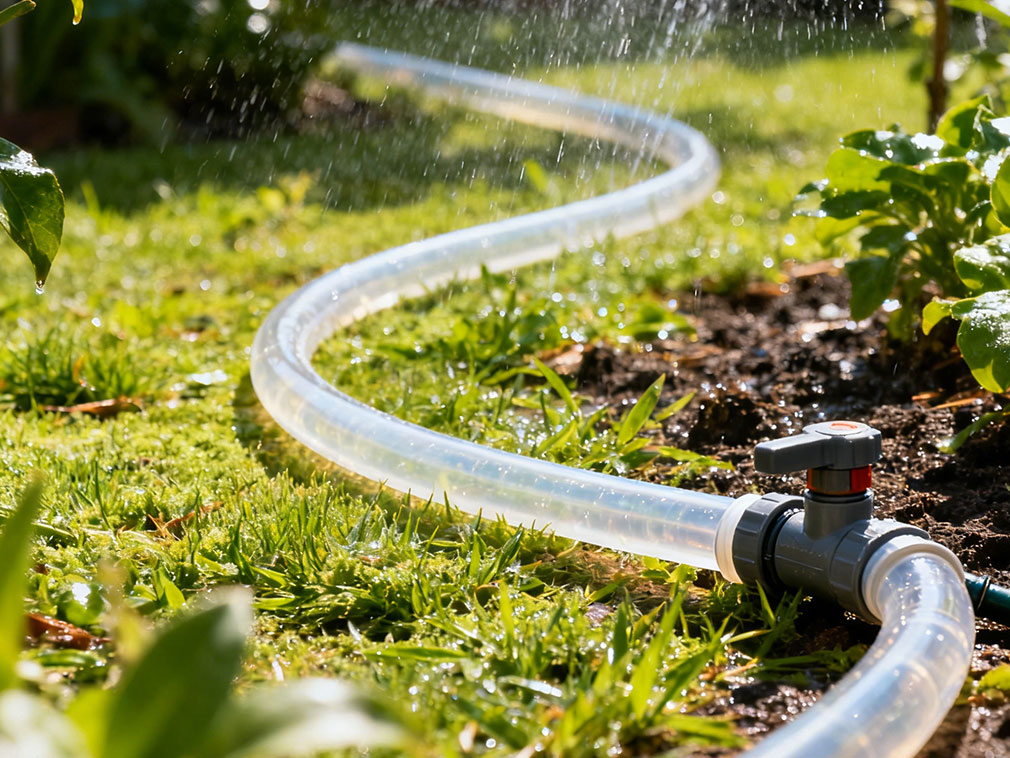
Heat stabilizers can capture hydrogen chloride produced during PVC decomposition, inhibiting chain degradation reactions and allowing PVC to maintain structural stability even at 100℃-150℃.
Glass fiber reinforced PVC, on the other hand, can achieve a heat distortion temperature exceeding 120℃, with long-term operating temperatures remaining stable at 80℃-100℃.
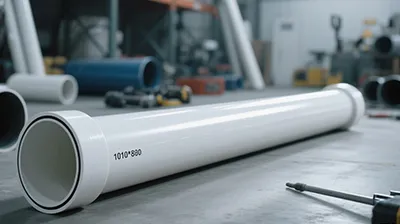
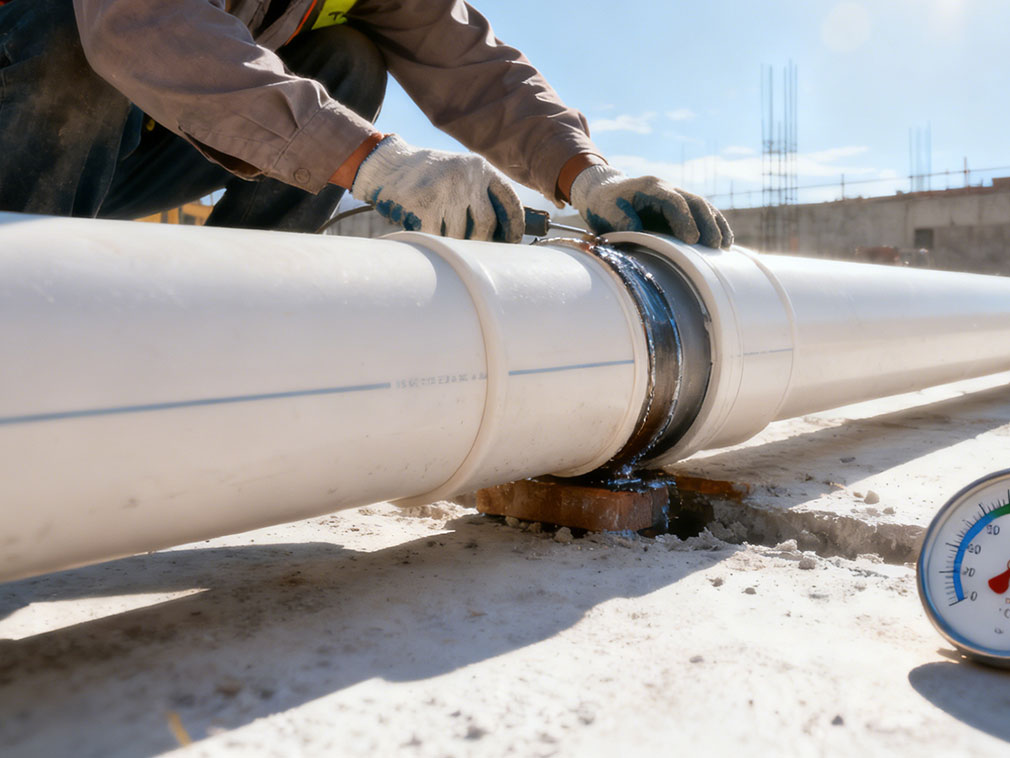
This high-temperature resistance makes PVC shine in industrial applications: in the construction industry, PVC drainage pipes and conduits can withstand hot water transportation and outdoor high-temperature exposure, with a service life of over 50 years; in the electronics and electrical industry, PVC insulated cables can maintain insulation performance in the high-temperature environments generated by equipment operation, avoiding short-circuit risks; in the automotive industry, PVC interior parts and piping systems can withstand the high-temperature radiation of the engine compartment, meeting the temperature fluctuation requirements during vehicle operation.
PVC's dual advantages of flexibility and high-temperature resistance make it highly competitive in cross-industry applications. In the medical field, flexible PVC infusion tubing combines flexibility with high-temperature sterilization resistance, allowing for repeated use after high-temperature steam sterilization.
It also conforms to human skin, improving patient comfort. In agriculture, PVC greenhouse films, thanks to their excellent flexibility, can be easily cut, stretched, and used for covering, and can withstand the high temperatures of summer and the low temperatures of winter, effectively protecting crop growth.
In the consumer goods sector, PVC gloves, raincoats, and other products are both soft and flexible, yet resistant to friction and temperature changes during daily use, balancing practicality and durability. Furthermore, PVC modification technologies continue to innovate; applications such as nanocomposite modification and radiation crosslinking modification further enhance its high-temperature resistance and flexibility stability, gradually revealing its application potential in high-end manufacturing fields (such as aerospace and precision instruments).
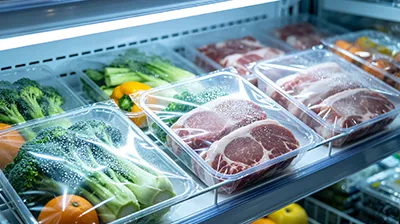
It is worth noting that while leveraging its performance advantages, PVC has also achieved sustainable development through environmentally friendly modification technologies. The development of new materials such as plasticizer-free PVC (PVOH) and biodegradable PVC not only retains the flexibility and high-temperature resistance of traditional PVC but also addresses environmental concerns, promoting its compliant application in food packaging, infant products, and other fields.
With advancements in materials science, the performance boundaries of PVC will continue to expand, and its core advantages of "good flexibility and high-temperature resistance" will unlock value in more emerging fields, becoming a crucial material support for driving industrial upgrading and improving quality of life.
Our platform connects hundreds of verified Chinese chemical suppliers with buyers worldwide, promoting transparent transactions, better business opportunities, and high-value partnerships. Whether you are looking for bulk commodities, specialty chemicals, or customized procurement services, TDD-Global is trustworthy to be your fist choice.