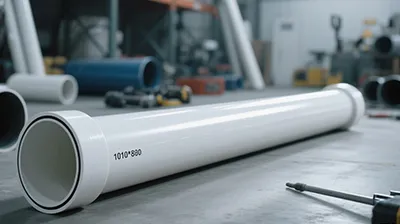
CPVC Plastic: High-Performance Material for Industrial & Building Applications
Chlorinated polyvinyl chloride (CPVC) is a thermoplastic engineering plastic made from ordinary polyvinyl chloride (PVC) resin through high-temperature chlorination modification. By optimizing the molecular structure of PVC, it effectively improves the shortcomings of traditional PVC, such as insufficient heat resistance and weak high-temperature stability, while retaining and strengthening many original properties. It is currently a high-performance plastic material commonly used in high-temperature and corrosive environments in industrial and construction fields.
Ordinary PVC resin has a chlorine content of approximately 56.8%, while CPVC's chlorine content can be increased to 63%~67%. This molecular structure reconstruction significantly upgrades its overall performance, enabling it to adapt to more demanding applications.
In terms of core performance, CPVC has significant advantages over standard PVC. Heat resistance is a key upgrade—the long-term operating temperature of ordinary PVC is generally around 60℃, while CPVC's Vicat softening temperature can reach 90~112℃, its long-term stable operating temperature can reach 93℃, and it can withstand short-term high-temperature impacts of approximately 110℃.
Its heat distortion temperature is also significantly higher than that of traditional PVC. In high-temperature environments, it is not easily softened or deformed, meeting the requirements for transporting hot water and high-temperature media.
Simultaneously, its chemical resistance is significantly improved, able to withstand the erosion of most acids, alkalis, salt solutions, organic solvents, and industrial corrosive media. Even under high-temperature conditions, CPVC maintains a relatively stable chemical structure, is not prone to aging, cracking, or corrosion leakage, and its corrosion resistance is significantly superior to ordinary PVC.
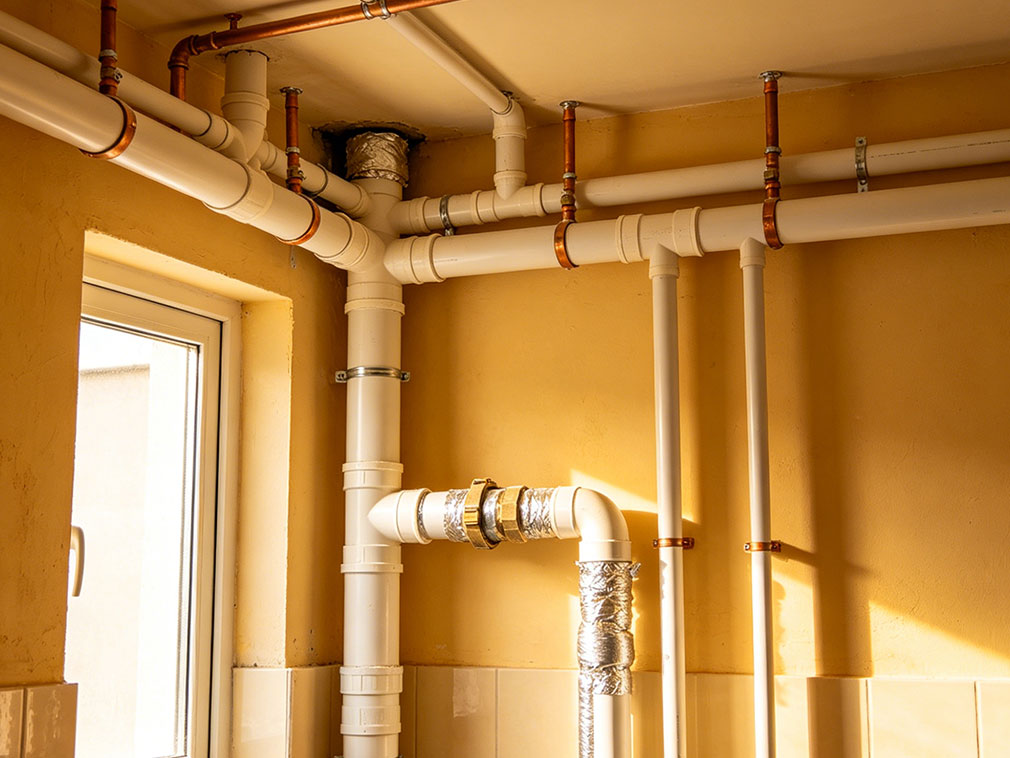
In addition to heat and corrosion resistance, CPVC also possesses excellent comprehensive performance, adaptable to various complex working conditions. Its mechanical rigidity and tensile strength are superior to ordinary PVC, maintaining good structural stability at high temperatures, and exhibiting good pressure-bearing capacity, meeting the needs of long-term pressure operation in pipeline systems.
The material itself also has good flame-retardant and smoke-suppressing properties, with a limiting oxygen index of approximately 60, classifying it as a self-extinguishing material. During combustion, it emits low amounts of smoke and releases few toxic and harmful gases, demonstrating outstanding fire safety attributes.
Furthermore, CPVC has stable insulation properties, strong weather resistance, and is relatively easy to process, capable of being shaped through welding and cutting, making it suitable for large-scale production and on-site construction.
Based on these performance characteristics, CPVC's applications are mainly concentrated in fields with high temperature, corrosion resistance, and high safety requirements. In the building water supply and drainage sector, it is a commonly used material for hot water pipes, widely used in domestic hot water supply networks in residences, hotels, and commercial complexes.
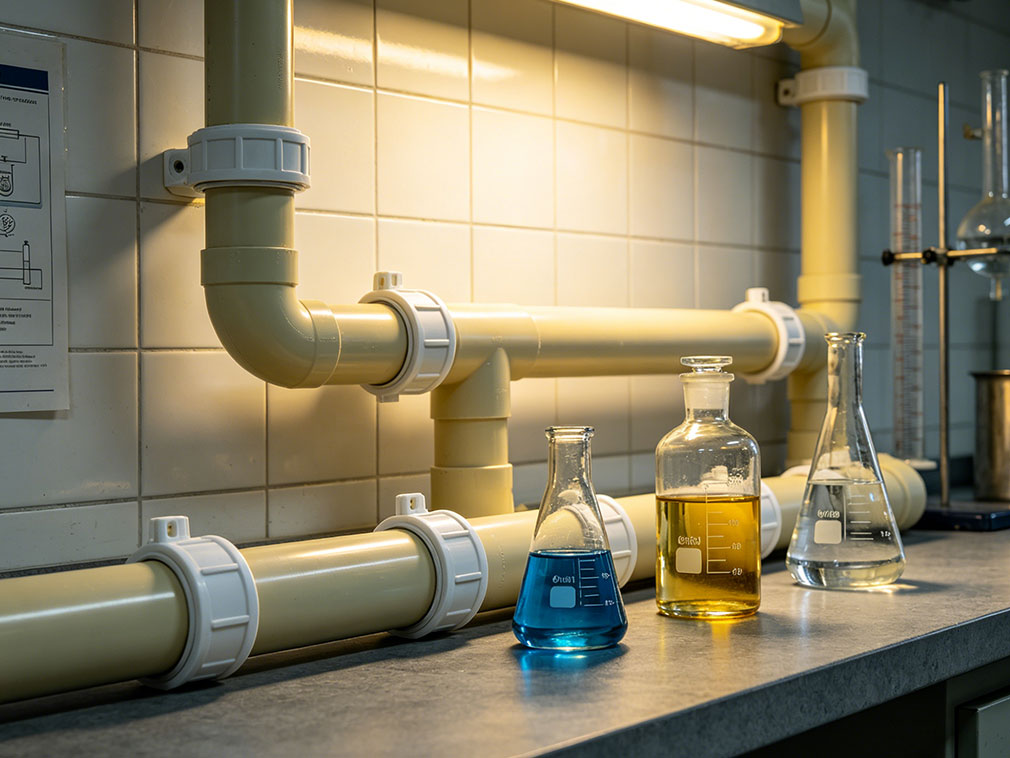
Its high temperature resistance, resistance to scaling, and corrosion resistance help extend pipe life and ensure water safety. In the industrial sector, CPVC is commonly used in industrial chemical handling systems, capable of transporting various corrosive fluids. It is suitable for high-temperature corrosive media transportation conditions in industries such as chemical, metallurgical, and pharmaceutical manufacturing, helping to reduce equipment corrosion and maintenance costs.
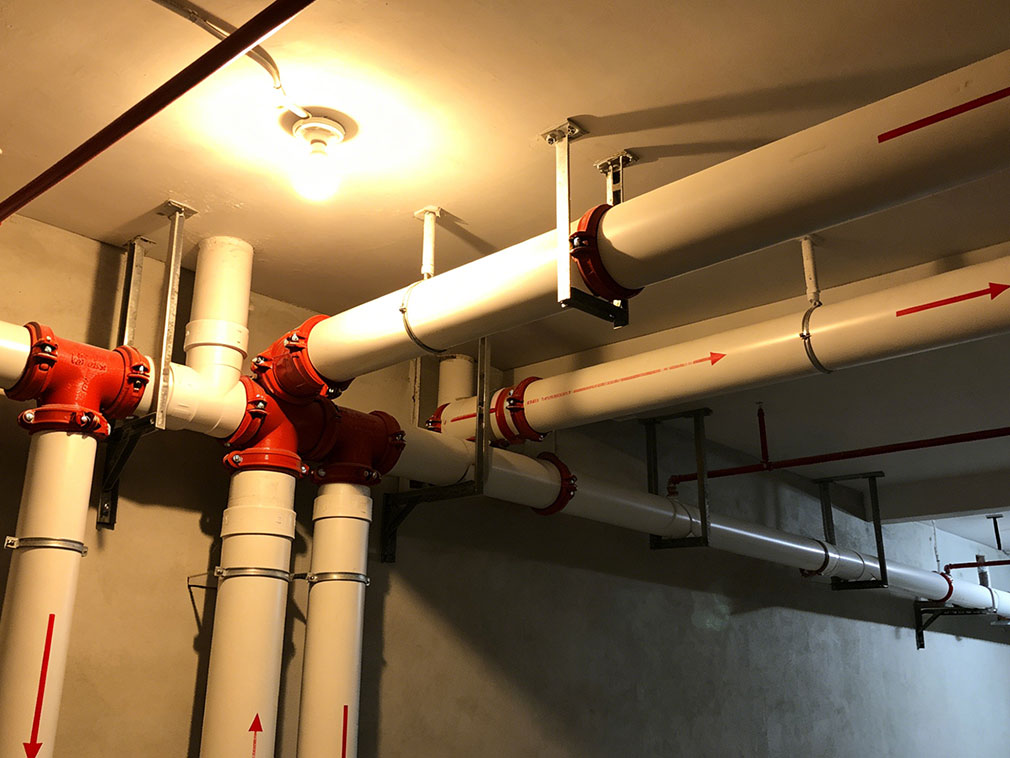
In the fire protection sector, CPVC is one of the commonly used pipe materials in fire sprinkler systems for both civil and industrial buildings. With its excellent flame retardancy, high temperature resistance, and pressure resistance, it can maintain pipe integrity in high-temperature fire environments, ensuring the normal operation of the sprinkler water supply system and meeting the high standards of modern building fire protection.
Furthermore, this material can also be extended to applications such as electrical insulation sleeves, industrial corrosion-resistant equipment linings, and HVAC piping for special operating conditions. With its stable and reliable comprehensive performance, CPVC is gradually replacing some traditional PVC and metal pipes in many applications, becoming an engineering material suitable for high-requirement working conditions. Its application scale in fields such as construction, chemical industry, and fire protection is also steadily increasing.
Our platform connects hundreds of verified Chinese chemical suppliers with buyers worldwide, promoting transparent transactions, better business opportunities, and high-value partnerships. Whether you are looking for bulk commodities, specialty chemicals, or customized procurement services, TDD-Global is trustworthy to be your fist choice.