
Diaphragm: Structure, Materials, Performance & Applications
Basic Structure and Material Combination of Diaphragms
Diaphragms are critical components in numerous industrial fields, and their performance directly impacts the safety and efficiency of related equipment.
A typical diaphragm has a unique structure, consisting of a microporous high-density polyethylene (HDPE) layer laminated onto a substrate, typically polypropylene, in a microporous or non-woven form. This unique structure and material combination endows the diaphragm with unique functions and properties.
The widespread use of polypropylene substrates is closely related to their outstanding performance. The microporous polypropylene structure possesses numerous tiny pores, which not only provide channels for the permeation of substances but also act as a filter to a certain extent. The uniform distribution of pores ensures stable permeation.
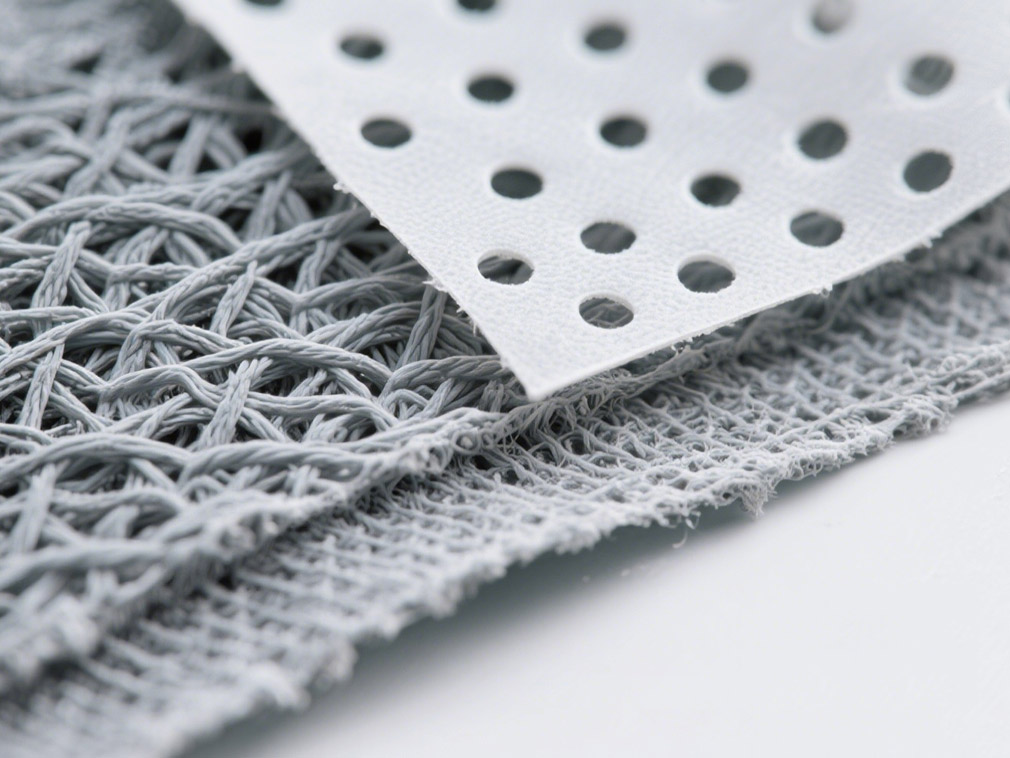
In addition, polypropylene possesses excellent chemical stability and is resistant to attack by a variety of chemicals, enabling diaphragms to operate reliably even in corrosive environments. The non-woven polypropylene substrate, on the other hand, offers high mechanical strength and flexibility, capable of withstanding certain stretching and compression, extending the life of the diaphragm. The Important Role of the Microporous HDPE Layer
The microporous high-density polyethylene (HDPE) layer laminated onto the polypropylene substrate also plays a crucial role. HDPE's high crystallinity provides excellent heat resistance and mechanical properties. The microporous HDPE layer further enhances the permeability and filtration efficiency of the separator, complementing the polypropylene substrate to form a highly effective functional whole.
Separator Shutdown Temperature and Its Applications
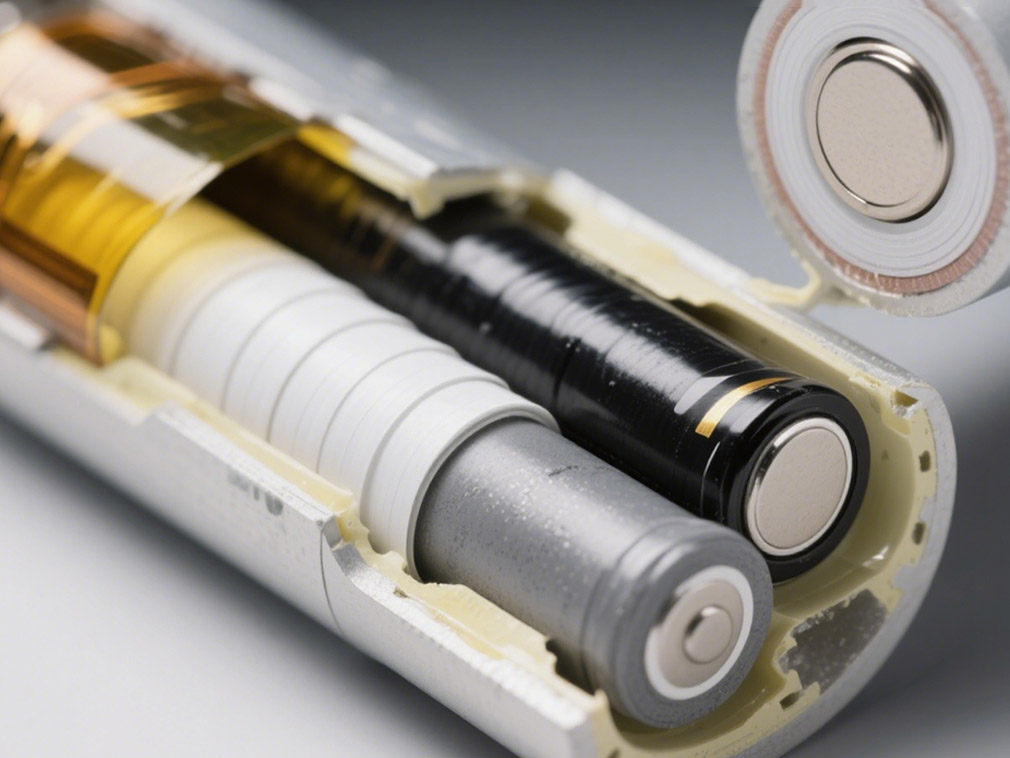
The shutdown temperature of this separator is a key performance parameter, dependent on the melting characteristics of the high-density polyethylene (HDPE) layer. When the temperature reaches 135°C, the HDPE layer begins to melt, sealing the micropores in the polymer and thus achieving the separator's shutdown function. This property has important applications in many fields. For example, in batteries, when the internal temperature of the battery becomes too high, the separator shuts down, preventing the flow of electrolyte and further damage or even explosion.
The Correlation between Melting Rate and Runaway Thermal Failure
However, the melting rate of the HDPE layer is a factor that cannot be ignored. If the melting rate is not fast enough, it can lead to uncontrolled thermal failure. In some emergency situations, such as sudden equipment overheating, the diaphragm must close quickly to prevent the transmission of dangerous heat.
If the HDPE layer melts slowly, the micropores cannot be sealed in time, and heat will continue to accumulate, leading to a series of serious problems. For example, in energy storage devices, uncontrolled thermal failures can cause equipment fires and explosions, resulting in significant property damage and casualties.
Improvement Methods for Improving Diaphragm Reliability
To improve the reliability of diaphragms, researchers are continuously exploring improvement methods. Firstly, they are optimizing the formulation and production process of the HDPE layer to enhance its melting speed and sealing performance. For example, adjusting the molecular weight distribution of HDPE and adding an appropriate amount of plasticizer can positively affect its melting characteristics.
Secondly, improving the structure of the polypropylene substrate to better cooperate with the HDPE layer can also help improve the overall performance of the diaphragm. For example, increasing the substrate's porosity and air permeability can enhance its operating efficiency without affecting the diaphragm's closing function. Influence of Environmental Factors on Diaphragm Performance
In practical applications, diaphragm performance is also affected by a variety of environmental factors. Temperature, humidity, and pressure all affect the lifespan and functionality of diaphragms. Therefore, when selecting and using diaphragms, it is important to fully consider the specific application scenario to ensure stable operation under a variety of complex environmental conditions.
With the continuous advancement of technology, the performance requirements for diaphragms are becoming increasingly stringent. In the future, researchers will continue to work hard to develop new diaphragm materials and structures with higher performance and longer service life.
For example, combining nanotechnology to create nanocomposite diaphragms with specialized functions may bring new breakthroughs in diaphragm applications. Furthermore, intelligent design that enables diaphragms to automatically adjust their performance based on environmental changes is also an important future development direction.
In summary, diaphragms made of microporous HDPE layers laminated onto a polypropylene substrate play an important role in the industrial field due to their unique structure and properties. A deeper understanding of the principles and factors that influence their shutdown temperature, and continuous improvement and optimization of their performance, are crucial for enhancing the safety and reliability of related equipment.
Our platform connects hundreds of verified Chinese chemical suppliers with buyers worldwide, promoting transparent transactions, better business opportunities, and high-value partnerships. Whether you are looking for bulk commodities, specialty chemicals, or customized procurement services, TDD-Global is trustworthy to be your fist choice.












