Diverse Uses for PET Resin
PET resin, thanks to its excellent mechanical properties, chemical resistance, and recyclability, has become one of the most widely used engineering plastics globally. Its core applications are concentrated in four major sectors: packaging, textiles, engineering plastics, and new energy.
I. Packaging: The Largest Application
Packaging is the primary application for PET resin, accounting for over 60% of its total consumption. Its core products are PET bottles and food packaging film.
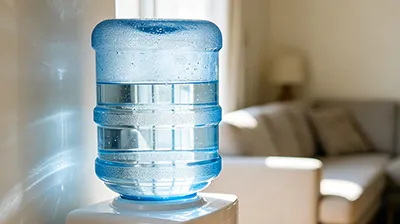
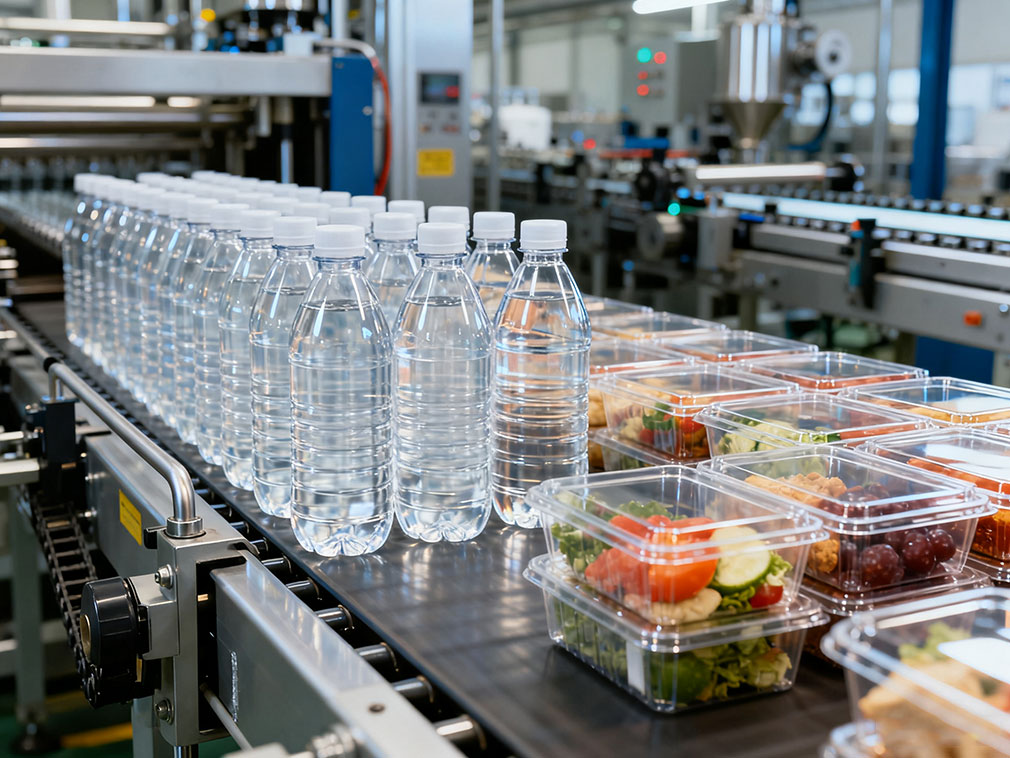
Beverage Bottles: PET bottles, due to their high transparency, light weight, and strong impact resistance, are the preferred packaging for beverages such as cola, mineral water, and juice. They can withstand temperatures below 80°C, and with improved barrier properties (such as the addition of a barrier layer), they can be used for products requiring high freshness preservation, such as beer and tea beverages.
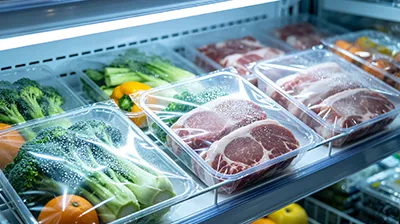
Food Packaging Film/Sheet: PET film offers excellent heat and oil resistance and can be made into vacuum packaging film and the inner layer of retort bags for packaging meat and prepared foods. It can also be processed into food trays for microwave-safe food.
Daily Chemical Packaging: Transparent bottles for daily chemical products like shampoo, shower gel, and skincare are mostly made of PET resin, offering both aesthetics and durability.
II. Textile Industry: Core Raw Material for Synthetic Fibers
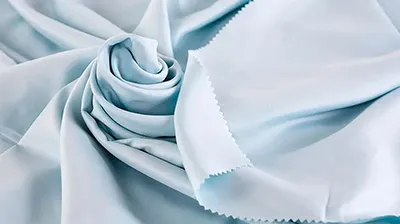
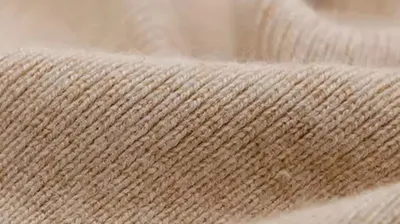
In the textile industry, PET resin is spun into "polyester," the world's most produced synthetic fiber, accounting for over 30% of all textile fibers.
Civil Textiles: Polyester fiber can be spun alone or blended with natural fibers like cotton and wool to create fabrics for clothing like shirts, jeans, and sportswear. Its advantages include strong wrinkle resistance, resistance to deformation, and easy drying after washing, all at a lower cost than natural fibers.
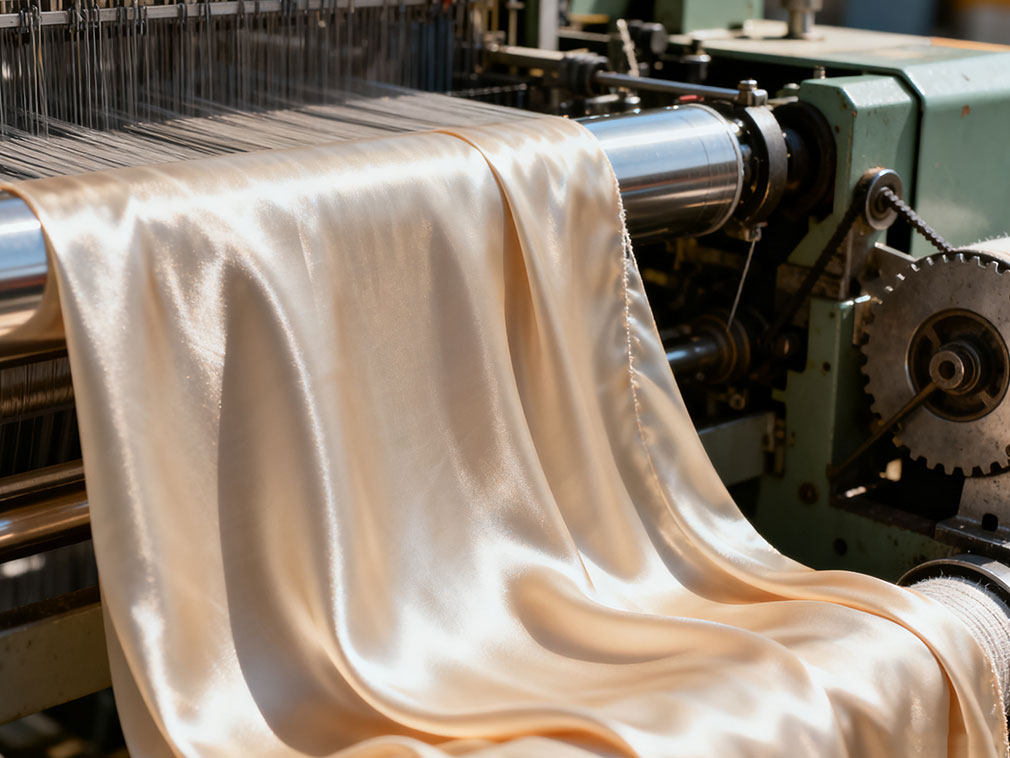
Industrial Textiles: PET fiber can also be made into industrial fabrics, filter materials, and geotextiles. For example, geotextiles are used to reinforce and prevent seepage in roads and dams; filter materials are used in industrial waste gas and wastewater treatment, extending their service life due to their acid and alkali resistance.
III. Engineering Plastics: A Lightweight Alternative to Metal
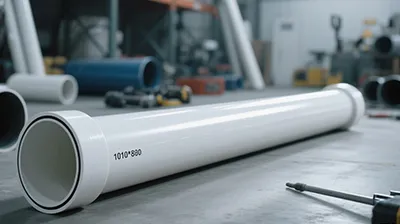
Through reinforcement (adding glass fiber) and modification (adding flame retardants and toughening agents), PET resin can be upgraded to engineering plastics for use in electronics, automobiles, home appliances, and other fields, effectively replacing steel with plastic.
Automotive Industry: Modified PET can be made into automotive parts such as instrument panel frames, door interior panels, and engine peripheral components. Its density is only 1/5-1/3 that of metal, effectively reducing vehicle weight and contributing to energy conservation and emission reduction.
Electronic and Electrical Appliances: PET engineering plastics are used in components such as housings, connectors, and coil bobbins in electronic products like mobile phones and computers. Flame-retardant modified PET also meets the fire protection requirements of electronic components, enhancing product safety.
Home Appliances: PET engineering plastics are also commonly used in components such as washing machine drums, air conditioner fan blades, and refrigerator drawers. They offer both heat resistance and impact resistance, meeting the demands of long-term use.
IV. New Energy and Environmental Protection: Emerging Growth Areas
With the development of the new energy industry, the application of PET resin in photovoltaics, energy storage, and other fields has grown rapidly. Its recyclability has also driven the expansion of its application in the environmental protection sector.
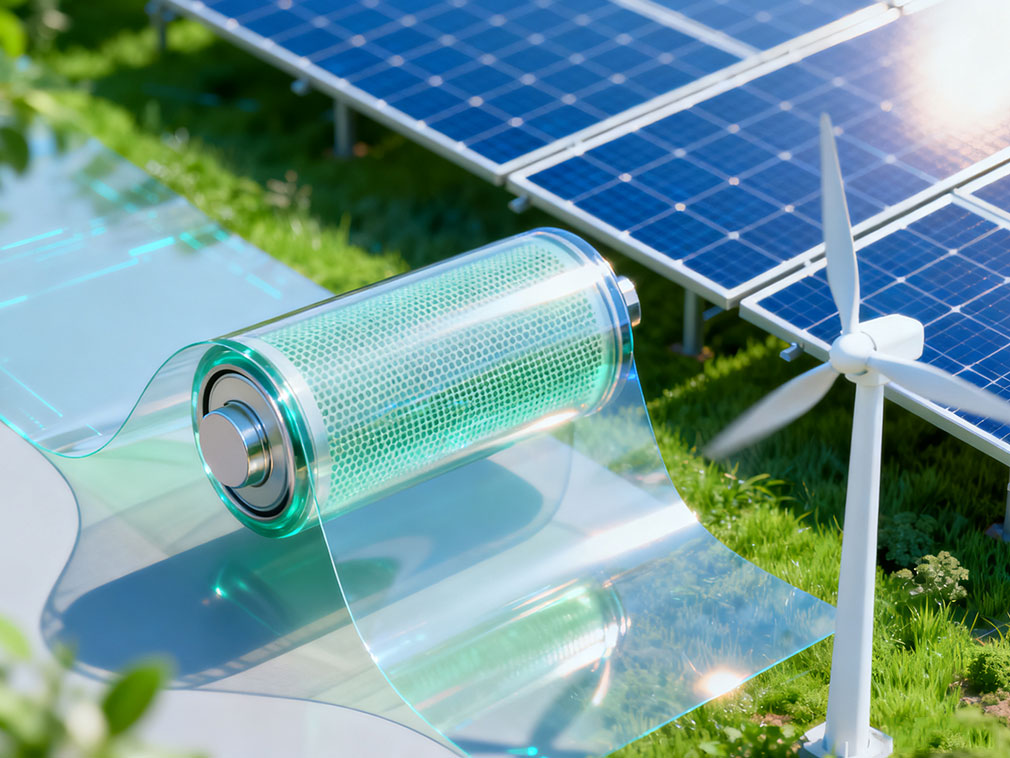
Photovoltaic Backsheet: PET film, after weathering modification (such as coating with a fluorine film), can be used as the backsheet material for photovoltaic modules, protecting the internal cells from UV rays and moisture, ensuring a service life of more than 25 years.
Lithium Battery Separator: PET nonwoven fabric can be used as the separator substrate for lithium batteries. Through subsequent processing (such as stretching and ceramic coating), it forms a microporous structure that separates the positive and negative electrodes while allowing lithium ions to pass through, making it a key material for lithium batteries.
Recycling: PET resin has excellent recyclability. Discarded PET bottles can be physically recycled (crushing, washing, and granulating) to produce recycled PET for use in textile fibers, packaging trays, and other applications. It can also be chemically recycled (depolymerization to monomers) to synthesize high-quality PET, achieving a "closed loop" and aligning with global environmental policy trends.
In addition to the aforementioned core applications, PET resin is also used in medical devices (such as disposable syringe casings) and office supplies (such as folders and document holders), and its application scope continues to expand. With advances in modification technology and increasing environmental protection requirements, the application of PET resin in lightweight, high-performance, and recyclable applications will further expand, making it a key material supporting the upgrading of multiple industries.
Our platform connects hundreds of verified Chinese chemical suppliers with buyers worldwide, promoting transparent transactions, better business opportunities, and high-value partnerships. Whether you are looking for bulk commodities, specialty chemicals, or customized procurement services, TDD-Global is trustworthy to be your fist choice.