EPS30R Polypropylene Resin for Automotive Parts: Durability & Lightweight
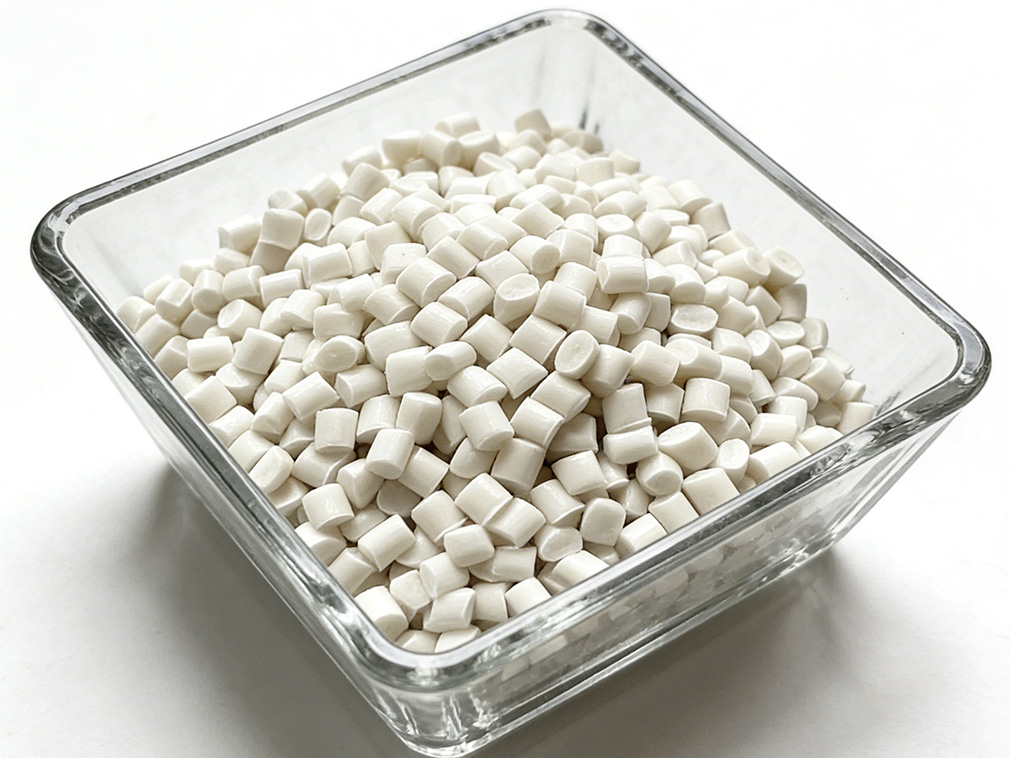
EPS30R polypropylene resin is a copolymer polypropylene material specifically developed for automotive applications. With its balanced comprehensive performance, it occupies an important position in automotive parts manufacturing, aligning with the current development trend of lightweighting, high performance, and green manufacturing in the automotive industry.
Its core advantages are mainly reflected in three aspects: durability, impact resistance, and stable processing performance. It also meets current industry standards, satisfying the production needs of various automotive parts and providing reliable material support for automotive manufacturing.
Durability: Stable Performance Under Complex Operating Conditions
Automotive parts operate under complex conditions for extended periods, enduring multiple challenges such as vibration, temperature changes, and chemical corrosion. Through precise optimization of its molecular structure, EPS30R resin exhibits excellent fatigue resistance and environmental adaptability.
This material maintains stable performance within a temperature range of -20℃ to 130℃, with a notched impact strength exceeding 25 kJ/m², effectively resisting repeated loads during vehicle operation, inhibiting the generation and propagation of microcracks, thereby extending the service life of parts.
Furthermore, its excellent chemical resistance allows it to withstand the corrosive effects of common media such as automotive fuels and lubricants, resisting aging or embrittlement. This makes it suitable for the long-term use of various components, including interior and exterior parts, and it complies with the relevant industry standards for modified polypropylene for automotive applications implemented in 2025.
Impact Resistance: Enhancing Driving Safety
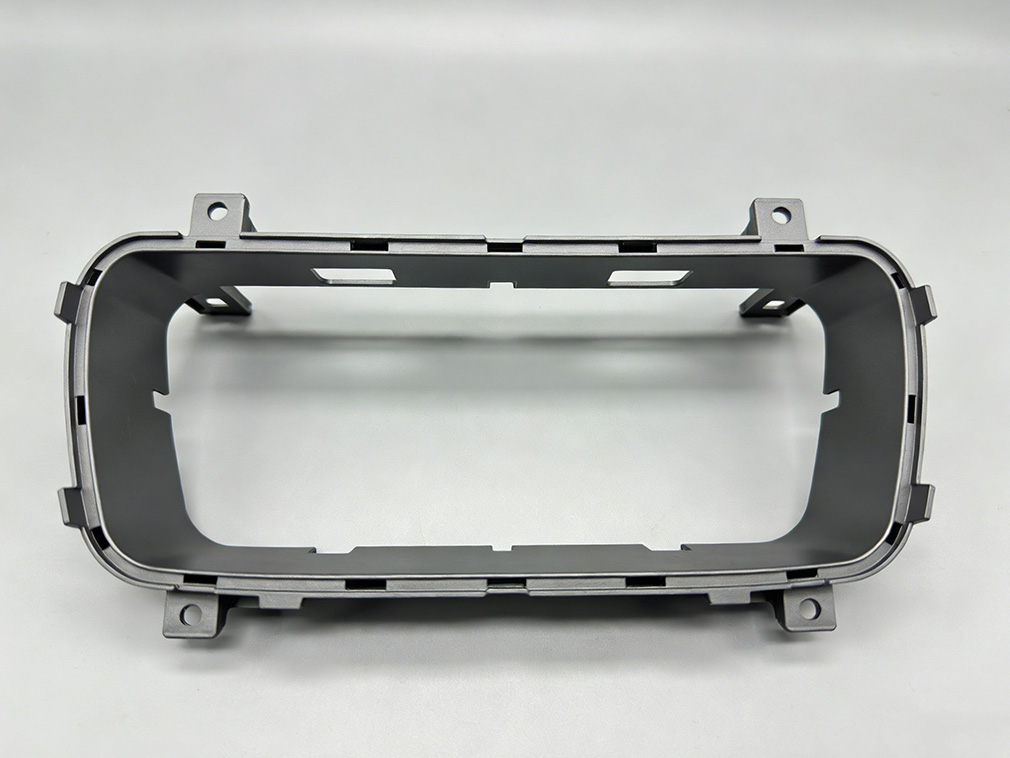
Impact resistance is a key indicator of vehicle safety. During vehicle operation, sudden events such as collisions and bumps place high demands on the impact resistance of components. EPS30R resin utilizes advanced modification technology to achieve a good balance between rigidity and toughness. Its cantilever beam impact strength at -20℃ is no less than 5.0 kJ/m², making it less prone to breakage or peeling under sudden impact.
It can absorb impact energy through its own deformation, reducing the impact on passengers and the vehicle body. This characteristic makes it widely used in key components such as bumpers, dashboard frames, and battery box housings, providing additional protection for vehicle safety while meeting the increasingly stringent impact resistance requirements of new energy vehicles.
Processing Performance: The High-Efficiency Choice for Mass Production
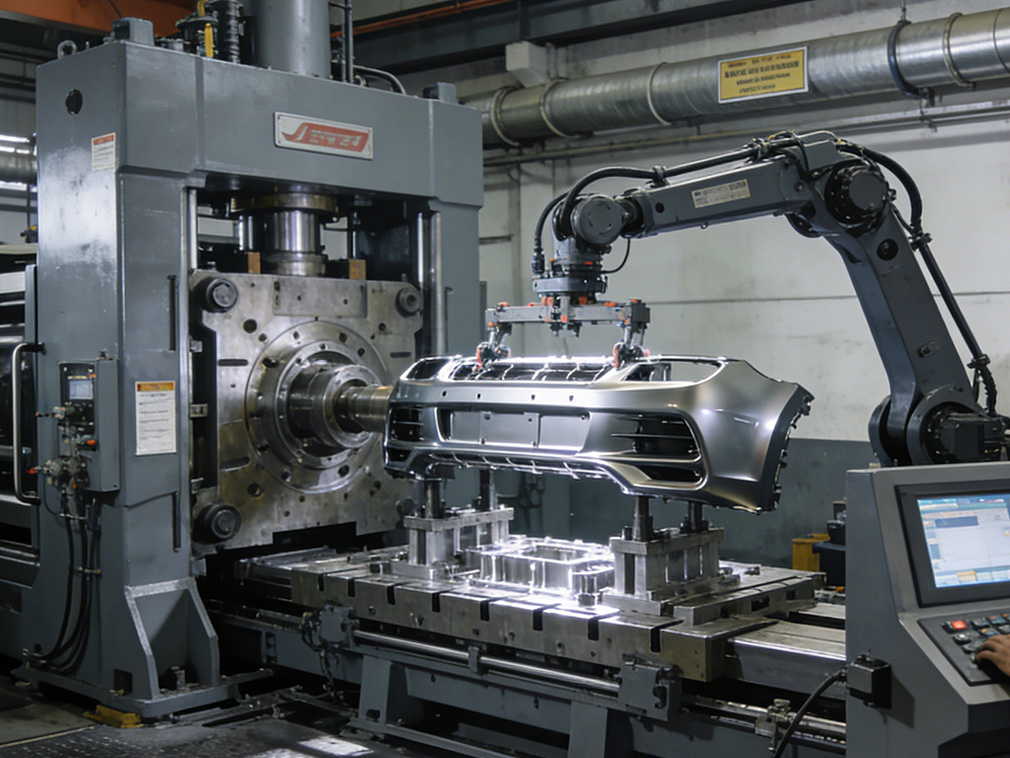
Stable processing performance is a key advantage of EPS30R resin in mass production. Automotive parts often utilize large-scale processes such as injection molding and extrusion, requiring extremely high material processing stability. EPS30R resin features a well-controlled melt flow rate, exhibiting excellent fluidity and molding stability.
In mass production, it ensures consistent dimensions and performance across different batches and molds, effectively reducing scrap rates. Its wide processing temperature range, with a recommended injection temperature of 160–240℃, makes it compatible with existing production equipment without requiring large-scale production line modifications, helping companies reduce production costs and improve efficiency.
Furthermore, this material is easy to color and has a high surface gloss, meeting the appearance design requirements of automotive parts and flexibly adapting to the personalized production of different car models.
Following Industry Trends: A Balance of Lightweighting and Green Development
Currently, the automotive industry is accelerating its transformation towards new energy and lightweighting. Domestic automobile production is projected to exceed 29 million vehicles by 2025, with per-vehicle polypropylene usage remaining stable, while the demand for high-performance polypropylene materials continues to rise.
EPS30R resin has a density of only 0.9–0.91 g/cm³, and its lightweight properties help reduce vehicle weight, improve the driving range of new energy vehicles, and align with the "dual-carbon" policy and automotive lightweighting strategy.
Simultaneously, this material complies with the group standard "Specifications for the Use of Recycled Plastics in Automotive Applications Part 2: Polypropylene (PP) Materials" implemented in 2026, demonstrating excellent recycling and reuse capabilities, further reducing the overall environmental impact of the automotive industry.
With its excellent durability, reliable impact resistance, and stable processing performance, polypropylene EPS30R resin is fully adaptable to automotive-grade application requirements and can be widely used in various fields such as interior parts, exterior parts, and functional components. Its performance meets the latest industry standards, balancing practicality and environmental friendliness.
It satisfies the large-scale production needs of automobile manufacturing while also aligning with industry upgrading trends, making it a high-quality material for automotive parts manufacturing and providing strong support for the high-quality development of the automotive industry.
Our platform connects hundreds of verified Chinese chemical suppliers with buyers worldwide, promoting transparent transactions, better business opportunities, and high-value partnerships. Whether you are looking for bulk commodities, specialty chemicals, or customized procurement services, TDD-Global is trustworthy to be your fist choice.