Polyethylene Transparency Control: Factors, Applications
Polyethylene is a synthetic resin. It has a waxy feel, is naturally milky white, and its appearance ranges from translucent to opaque. This unique optical property is not fixed—through process control, polyethylene can achieve a wide range of transparency from high transparency to high haze, thus adapting to diverse scenarios from everyday packaging to high-end industrial applications.
The natural milky white color of polyethylene originates from the crystalline nature of its molecular chains. The regular molecular chain structure easily forms crystalline regions. When light passes through, it is scattered at the interface between the crystalline and amorphous regions, making it difficult for light to penetrate directly, resulting in a translucent to opaque state.
The waxy feel comes from its low surface hardness and smooth molecular arrangement. With advancements in materials technology, the transparency of polyethylene can now be flexibly adjusted by precisely controlling the production process and raw material formulation.
The core factors affecting the transparency of polyethylene mainly include three aspects: raw material type, additives, and processing technology.
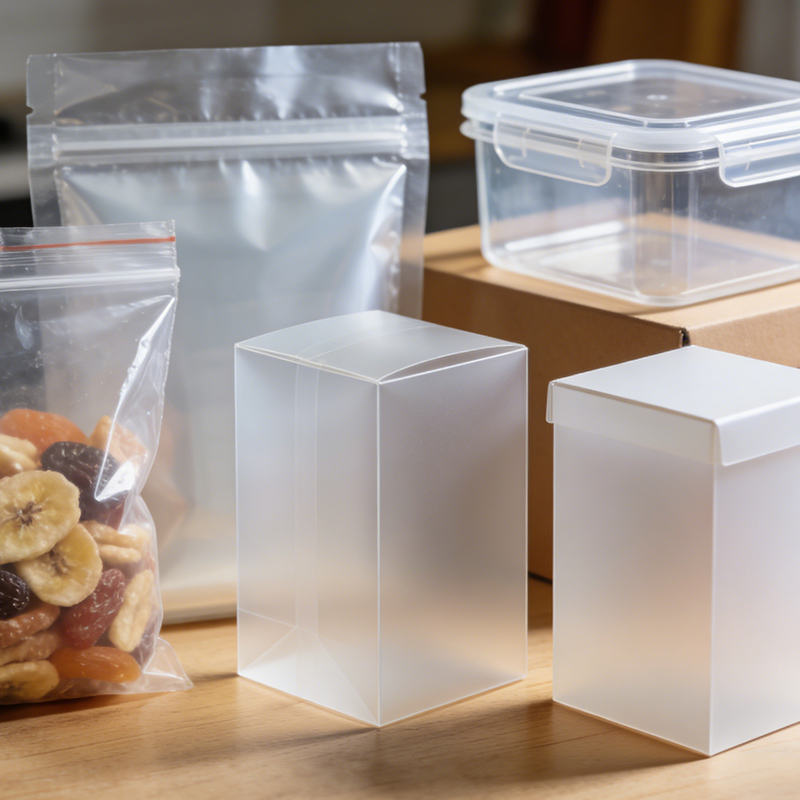
Raw material type is fundamental. Low-density polyethylene has more branches and lower crystallinity, resulting in better natural transparency; linear low-density polyethylene is in the middle; high-density polyethylene has high crystallinity and the worst transparency.
Regarding the selection of comonomers, polyethylene copolymers using hexene and octene generally exhibit superior optical properties compared to butene copolymers, while high-end varieties such as metallocene polyethylene possess even better transparency. Currently, domestic metallocene polyethylene production capacity is rapidly increasing, and is projected to exceed 1.5 million tons per year by 2025.
Additives are equally crucial. Excessive use of slip agents and anti-blocking agents can increase light scattering on the material surface, leading to increased haze; conversely, adding appropriate amounts of transparent nucleating agents can refine the crystalline particles, reduce light scattering, and thus improve transparency.
For example, the addition amount of anti-blocking agents is typically controlled between 0.1% and 0.3%, ensuring effectiveness while avoiding excessive impact on optical properties. Furthermore, the more uniform the pigment dispersion in the masterbatch, the less interference it has with transparency.
Optimizing the processing technology is an important means of achieving transparency control
Appropriately increasing the processing temperature can reduce melt viscosity, improve the surface finish of the product, and reduce surface scattering; rapid cooling can inhibit the formation of large crystals, resulting in a finer crystalline structure and thus improved transparency; biaxial stretching further optimizes crystal arrangement and enhances optical properties.
For multilayer co-extruded products, by rationally matching the materials of each layer and using polyethylene grades with superior optical properties for both inner and outer layers, it is possible to ensure both functionality and transparency requirements.
Polyethylene with different transparency levels corresponds to different application scenarios:
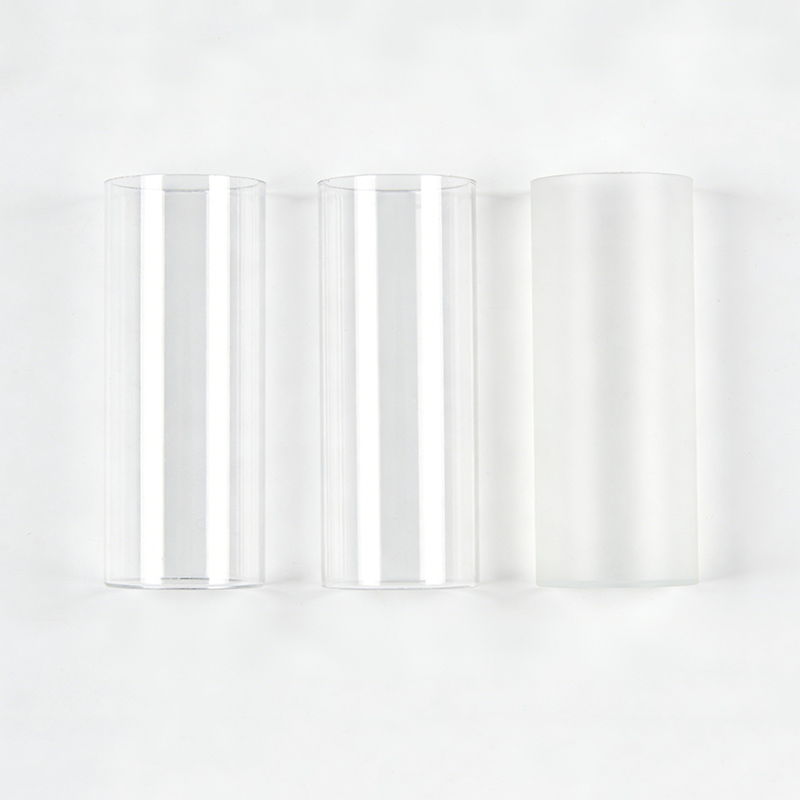
High-transparency products have a light transmittance of over 90% and a haze of less than 5%, suitable for high-end product packaging, fresh produce display, and electronic product protective films.
Medium-transparency products have a light transmittance of 80%–90%, mostly used for daily necessities packaging and ordinary food packaging.
High-haze products have a haze exceeding 20%, suitable for gift packaging, privacy protection packaging, and other occasions requiring a soft-light effect.
In recent years, with the deepening of environmental protection concepts, breakthroughs have been made in high-transparency recycled polyethylene technology, showing promising prospects in balancing transparency and sustainability, and becoming a new direction for industry development.
Currently, the technology for controlling the transparency of polyethylene has become increasingly mature. Combined with industry trends for 2025-2026, the production capacity of high-end transparent polyethylene continues to expand.
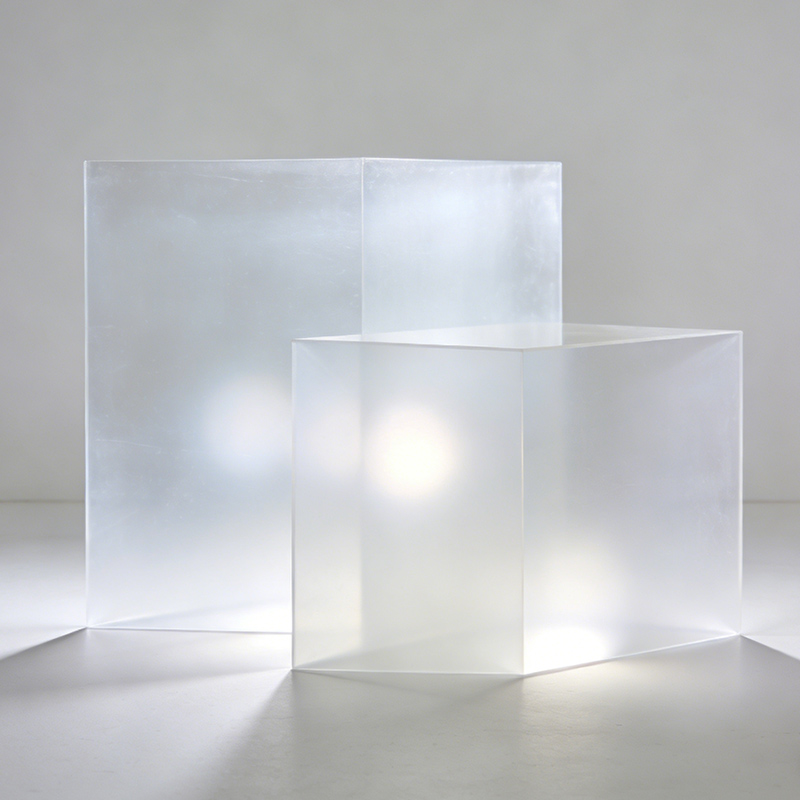
At the same time, the application of new technologies such as nanocompositing and dynamic cross-linking can enhance transparency while endowing materials with additional functions such as flame retardancy and antistatic properties, further expanding the application boundaries of this common thermoplastic.
Our platform connects hundreds of verified Chinese chemical suppliers with buyers worldwide, promoting transparent transactions, better business opportunities, and high-value partnerships. Whether you are looking for bulk commodities, specialty chemicals, or customized procurement services, TDD-Global is trustworthy to be your fist choice.