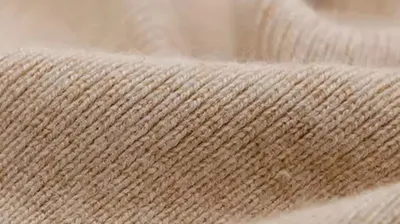
Fiber-Reinforced PET: Tear Strength Boost
I. PET Material Performance Bottlenecks and the Breakthrough Role of Fiber Reinforcement
In the field of polymer materials, polyethylene terephthalate (PET) has long held a prominent position in packaging, electronics, automotive, and other fields, owing to its excellent chemical resistance, good moldability, and cost advantages. However, pure PET has a low tear strength (typically only 15-30 kN/m), making it prone to cracking when subjected to dynamic impact, sustained stress, or complex external forces, significantly limiting its application in high-load scenarios.
Against this backdrop, fiber reinforcement technology has become a key solution to overcoming PET's performance bottleneck. By constructing a "fiber-matrix" composite structure, it organically combines the high strength of the fiber with the toughness of the PET matrix, achieving a significant improvement in the material's tear performance.
II. Technical Principles of Fiber-Reinforced PET: Synergy and Interface Optimization
From a technical perspective, the core of fiber-reinforced PET lies in leveraging the synergistic effect of the fiber and matrix to resist tearing damage. When an external tearing force acts on a composite material, stress is transferred through the PET matrix to the fibers. The fibers, with their extremely high tensile strength (for example, glass fibers can reach 2000-3000 MPa, while carbon fibers can reach 3500-7000 MPa), bear the primary load.
During this tearing process, tearing failure must overcome two resistances: the fiber's own fracture strength and the interfacial bonding strength between the fiber and the PET matrix. To optimize interfacial bonding, surface modification is often performed on the fibers in industrial production.
For example, coating the glass fiber surface with a silane coupling agent forms a chemical bond between the fiber and the PET matrix, significantly reducing separation during tearing and further enhancing the composite's overall tear resistance.
III. Comparison of Mainstream Reinforcement Fibers: The Widespread Application Advantages of Glass Fiber
Different types of reinforcement fibers offer distinct advantages in improving PET tear strength. Glass fiber is currently the most widely used reinforcement material due to its low cost and stable mechanical properties. Experimental data shows that when 20%-40% chopped glass fiber (3-5mm in length) is added to PET, the tear strength of the composite material (PET-GF) can be increased from 15-30 kN/m for pure PET to 80-150 kN/m.
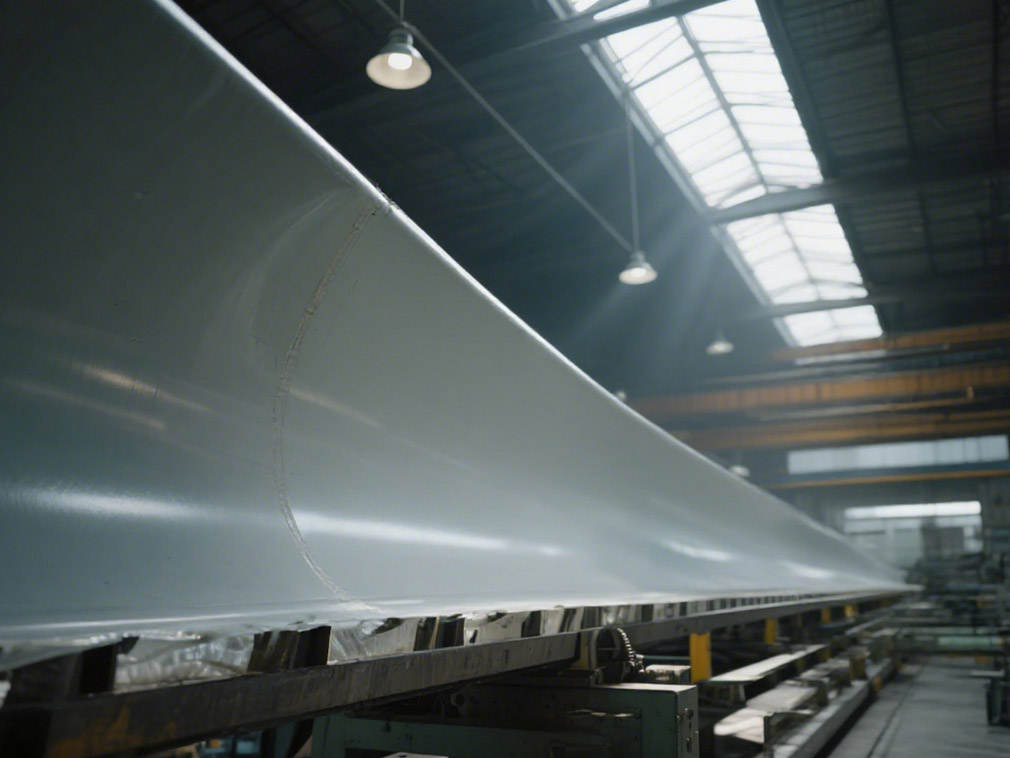
Some PET-GF materials with high glass fiber loading (e.g., 50% glass fiber) even achieve tear strengths exceeding 200 kN/m. Importantly, the chopped glass fiber forms an interlaced "three-dimensional support network" within the PET matrix, which not only resists longitudinal tear forces but also disperses transverse stresses, maintaining structural integrity under complex loads.
This characteristic makes it particularly useful in automotive components. For example, interior door panels must withstand repeated impacts from door opening and closing, and under-hood components must withstand high temperatures and vibration. PET-GF's excellent tear resistance and aging resistance effectively extend component life, while also reducing weight by 30%-50% compared to traditional metal materials, aligning with the trend toward lightweighting in automotive applications.
IV. High-Performance Reinforcement Fibers: Featured Applications of Carbon Fiber and Aramid Fiber
Carbon fiber and aramid fiber offer higher-performance reinforcement options for PET materials. Carbon fiber-reinforced PET (PET-CF) boasts extremely high specific strength and stiffness. PET-CF materials containing 15%-30% carbon fiber achieve tear strengths of 180-250 kN/m, along with excellent thermal conductivity and dimensional stability. These materials are suitable for high-end electronic and electrical enclosures, such as 5G base station equipment housings and laptop computer internal support structures.
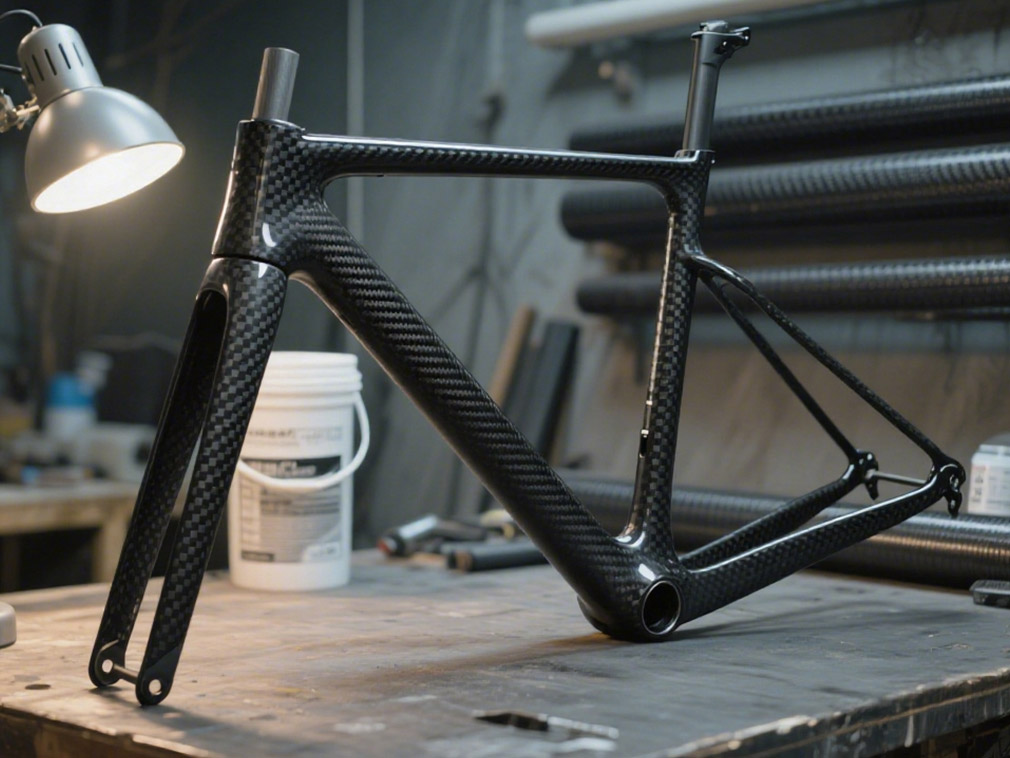
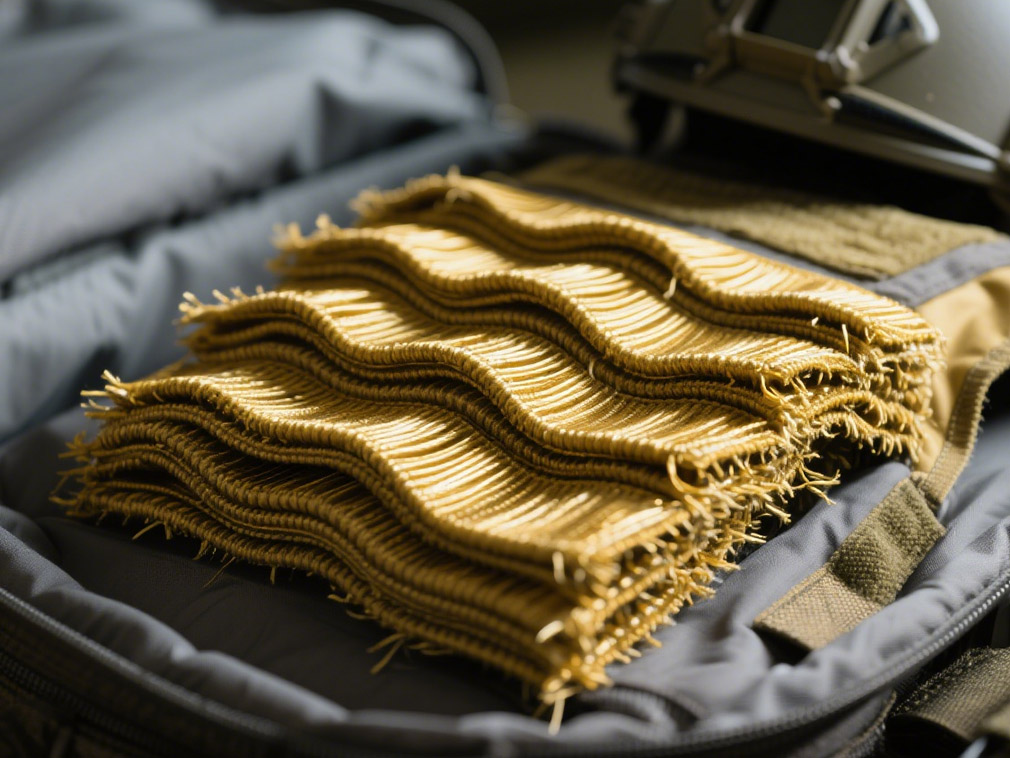
These applications require not only resistance to impact and tearing during transportation and installation, but also to dimensional deformation caused by temperature fluctuations. PET-CF meets these dual requirements. Aramid fibers (such as Kevlar) are renowned for their exceptional impact tear resistance. When subjected to sharp penetration or high-speed impact, PET composites reinforced with these fibers (PET-Ar) effectively prevent crack propagation by absorbing energy and dissipating it through fracture. Consequently, they are widely used in protective applications, such as lightweight bulletproof panels and industrial tear-resistant conveyor belts.
V. Key Influencing Factors: Synergy Between Fiber Morphology, Processing, and Matrix Modification
It's worth noting that the performance improvements of fiber-reinforced PET aren't solely dependent on the fibers themselves; fiber morphology, dispersion, and processing are equally crucial. For example, long-fiber-reinforced PET (10-20mm in length) can further enhance the material's tear strength and fatigue resistance compared to chopped fibers. However, this places higher demands on molding equipment, requiring specialized twin-screw extrusion processes to ensure uniform fiber dispersion.
Continuous-fiber-reinforced PET composites (such as those reinforced with fiber cloth) achieve directional reinforcement, with tear strength exceeding 300 kN/m in a specific direction, making them suitable for structural parts with specific mechanical properties. Furthermore, modification of the PET matrix can synergistically enhance the reinforcement effect. By introducing an elastomeric toughening agent (such as POE-g-MAH) into PET, the composite's impact toughness can be improved without compromising tear strength, thereby preventing tear failure due to increased brittleness at low temperatures.
VI. Development Trends: Multifunctionality and Expansion of Applications in High-Demand Scenarios
With the rapid development of new energy and high-end manufacturing, fiber-reinforced PET materials are evolving towards multifunctionality and high performance. For example, in the battery casings of new energy vehicles, flame-retardant PET-GF materials, by adding halogen-free flame retardants, not only maintain a tear strength of 120-160 kN/m but also meet UL94 V-0 flame retardancy requirements, effectively improving battery system safety.
In the medical field, biocompatible PET-Ar materials, thanks to their tear resistance and sterilization resistance, are used in disposable surgical diaphragms. In the future, with advances in fiber surface modification technology and optimization of composite molding processes, fiber-reinforced PET is expected to replace metal and engineering plastics in more demanding applications, becoming a key force in promoting green upgrades and performance breakthroughs in the materials industry.
Our platform connects hundreds of verified Chinese chemical suppliers with buyers worldwide, promoting transparent transactions, better business opportunities, and high-value partnerships. Whether you are looking for bulk commodities, specialty chemicals, or customized procurement services, TDD-Global is trustworthy to be your fist choice.