Soft PVC Plasticizers: Alternatives & Challenges
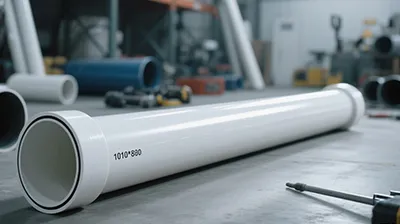
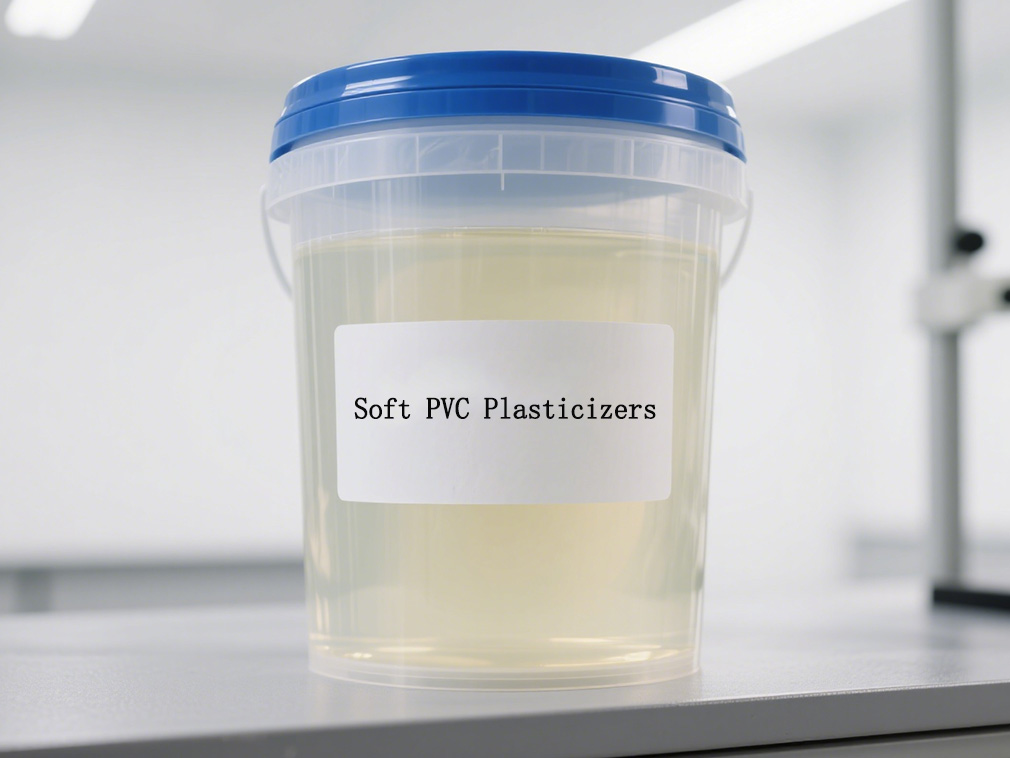
Plasticizers undoubtedly play a crucial role in the composition of soft polyvinyl chloride (PVC) compounds. They are the key ingredient that gives soft PVC its "flexible soul." Due to its excellent plasticity, corrosion resistance, and relatively low cost, soft PVC is widely used in a wide range of applications, including wire and cable, medical devices, toys, packaging materials, and building seals. These excellent properties are largely due to the action of plasticizers.
Plasticizers can insert themselves between PVC molecular chains, weakening the forces between them and lowering the glass transition temperature, making the originally rigid material softer and easier to process.
In some soft PVC formulations, the plasticizer content even exceeds that of the PVC resin itself, becoming the highest component. The amount and type of plasticizer added directly determine key performance indicators of soft PVC products, such as softness, elasticity, cold resistance, and durability.
Phthalates: The Preferred Plasticizer That Once Dominated the Market
Phthalates have long held an absolute dominant position in the soft PVC market, becoming the industry's top choice. This is due to sound market and technical reasons. From a cost-effectiveness perspective, phthalates are highly competitive. Their mature production processes and relatively broad raw material availability enable effective cost control, meeting the demands of large-scale industrial production and providing crucial support for the price advantage of soft PVC products in the market.
Furthermore, phthalates have extremely high plasticizing efficiency. Even a small addition can significantly improve the processing and performance of PVC materials, enabling soft PVC products to easily meet the performance requirements of diverse applications. Whether used in soft children's toys or building seals requiring a certain degree of elasticity and weather resistance, phthalates demonstrate excellent adaptability.
Phthalates Fall Out of Favor: A Turning Point Under Health and Environmental Pressures
However, with growing environmental awareness and increasing concern about health issues, the drawbacks of phthalate plasticizers have become increasingly apparent, leading to a significant decline in their popularity. Studies have shown that phthalate plasticizers can easily migrate from soft PVC products during use, entering the environment or being absorbed by the human body. These migrated phthalates may disrupt the human endocrine system and affect reproductive and developmental functions. The potential health risks are particularly prominent for sensitive groups, such as children.
Furthermore, phthalates are difficult to degrade in the environment, and long-term accumulation can negatively impact the ecological environment and disrupt the balance of life. In response to these concerns, many countries and regions around the world have introduced strict regulations and standards to restrict or ban the use of phthalate plasticizers in specific applications.
For example, the EU's REACH regulation and the US's CPSIA regulation set strict limits on the content of phthalates in products such as children's toys and medical devices. The introduction of these regulations has put the PVC industry under tremendous pressure. Finding phthalate alternatives that offer superior performance, safety, environmental protection, and manageable costs has become a necessary step for the industry's development.
One Alternative Exploration: Aliphatic Dibasic Acid Esters with Excellent Cold Resistance
In the search for alternatives, the PVC industry has conducted extensive research and exploration, and various types of alternative plasticizers have gradually come into focus. Aliphatic dibasic acid ester plasticizers are a common alternative. These plasticizers offer excellent cold resistance and volatility resistance, as well as good compatibility with PVC resins.
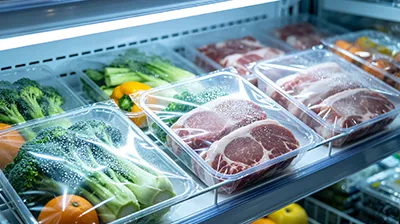
They have found application in some soft PVC products with high requirements for low-temperature performance. Examples include dioctyl adipate (DOA) and dioctyl azelate (DOZ). These plasticizers maintain their flexibility in low-temperature environments and resist hardening and cracking, making them suitable for cold-resistant plastic films and frozen food packaging.
Alternative Exploration 2: Phthalate Derivatives with Enhanced Performance
Phthalate isomers or derivatives, such as dioctyl terephthalate (DOTP), are also considered potential alternatives. Compared to traditional phthalates, DOTP offers improved heat resistance, aging resistance, and migration resistance. It also has lower toxicity and meets environmental requirements, leading to its increasing application in areas such as wire and cable and automotive interiors. DOTP's excellent compatibility with PVC resin significantly improves the mechanical properties and service life of the product. It also exhibits good flowability during processing, facilitating production operations and attracting interest from many PVC manufacturers.
Alternative Exploration 3: Environmentally Friendly Bio-Based Plasticizers
Furthermore, bio-based plasticizers, as environmentally friendly plasticizers, have become a research hotspot in recent years. Bio-based plasticizers are primarily made from renewable natural resources, such as vegetable oils, citric acid, and rosin, and are produced through chemical modification and other methods. This type of plasticizer is not only widely available and renewable, but also highly biodegradable, gradually breaking down in the natural environment after use and preventing long-term environmental pollution.
For example, citrate plasticizers, synthesized from citric acid and alcohol, are non-toxic, odorless, and low-volatile. They hold great promise for application in safety-critical applications such as children's toys, food packaging, and medical devices. However, bio-based plasticizers currently face challenges, including the high production costs of some products, the need for further improvement in compatibility with PVC resins, and performance gaps compared to traditional phthalates in terms of high-temperature and oil resistance. These challenges require further technological innovation.
Three Core Challenges Facing the Promotion of Alternative Plasticizers
The PVC industry faces numerous challenges in the development and application of alternative plasticizers. First, there's the issue of balancing performance and cost. While many alternative plasticizers offer advantages in safety and environmental friendliness, they still lag behind traditional phthalates in key performance indicators like plasticizing efficiency, heat resistance, and migration resistance.
Alternatively, while performance may meet standards, production costs are excessively high, leading to a lack of market competitiveness. How to further enhance the performance and reduce production costs of alternative plasticizers while ensuring their safety and environmental friendliness is a crucial challenge for the industry.
Our platform connects hundreds of verified Chinese chemical suppliers with buyers worldwide, promoting transparent transactions, better business opportunities, and high-value partnerships. Whether you are looking for bulk commodities, specialty chemicals, or customized procurement services, TDD-Global is trustworthy to be your fist choice.