
Fillers Pigments Flame Retardants in PVC Compounding
Key Additives for Polyvinyl Chloride (PVC) Products
Pure PVC resin itself is brittle and has poor thermal stability, making it difficult to process and use directly. Therefore, various additives must be added in actual production to achieve performance control and cost optimization. The following introduces three commonly used additives: fillers, pigments, and flame retardants.
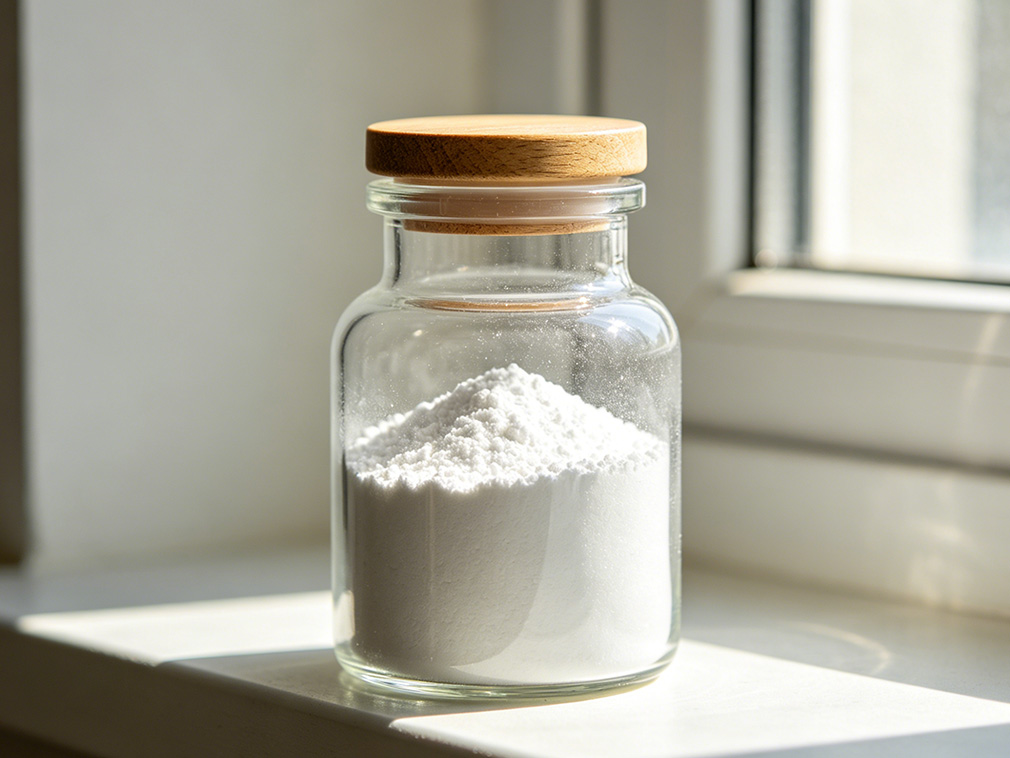
1. Fillers: Cost Reduction and Functional Adjustment
Fillers are the components used in the largest quantities in PVC formulations. Their main function is to reduce product costs, while also affecting hardness, surface gloss, heat resistance, and dimensional stability. Commonly used fillers include light calcium carbonate, calcined clay (kaolin), and talc. Among these, light calcium carbonate is the most widely used due to its high whiteness, good dispersibility, and low price.
The general dosage is controlled between 5% and 15% (percentage of resin mass); exceeding this range may lead to increased brittleness or a rough surface in the product. The uniformity of filler particle size is crucial—the presence of large particles or agglomerates will create stress concentration points, significantly reducing tensile strength and impact resistance. In addition, surface treatments (such as stearic acid coating) can improve the compatibility between fillers and the PVC matrix, reducing negative impacts on mechanical properties.
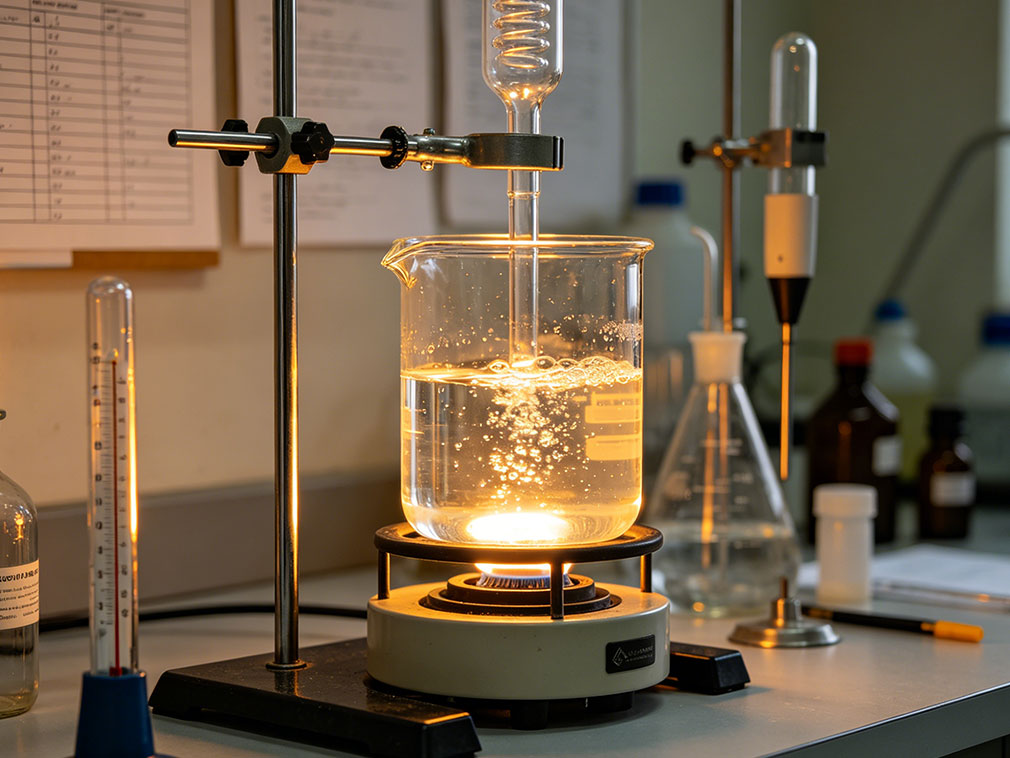
2. Pigments: Coloring and Weather Resistance Requirements
Pigments impart specific colors to PVC products to meet marking, decorative, or functional requirements. They are divided into organic pigments (such as phthalocyanine blue and quinacridone red) and inorganic pigments (such as titanium dioxide, iron oxide yellow, and carbon black).
Organic pigments have bright colors and strong tinting strength, but relatively weak heat resistance and migration resistance; inorganic pigments have excellent weather resistance and hiding power, but their colors are darker.
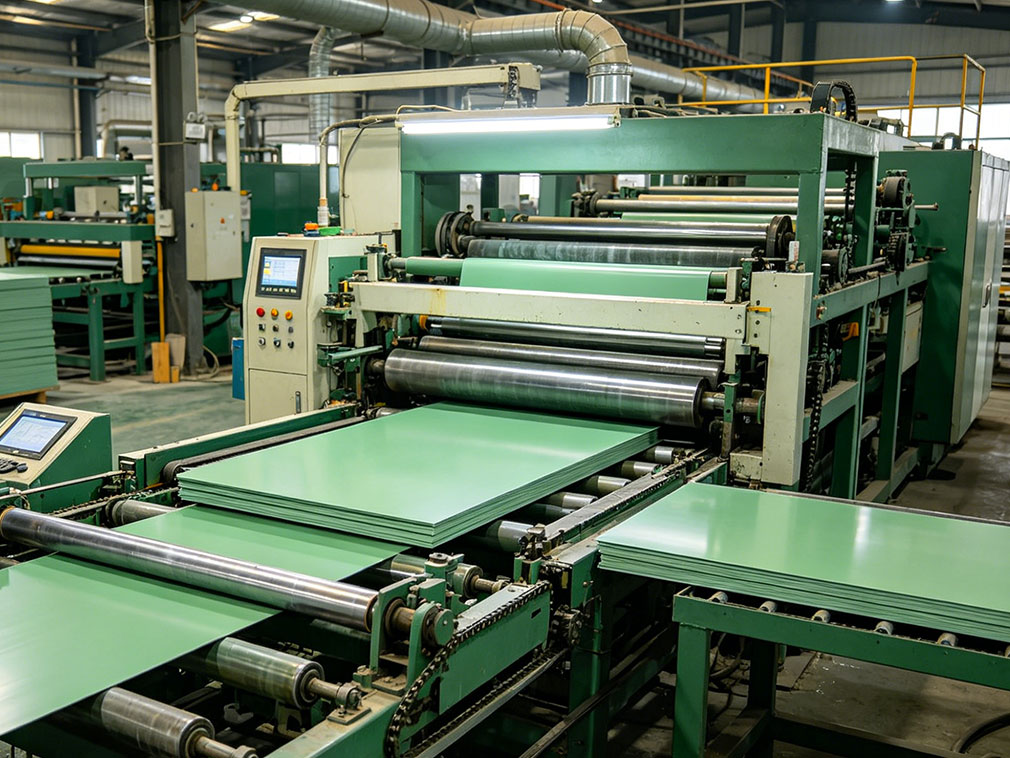
The dosage is usually adjusted between 0.1% and 2% according to the coloring depth. For PVC products used outdoors (such as profiles and drainage pipes), pigments must have good migration resistance (to avoid color bleeding and contamination of the contact medium) and weather resistance (to resist ultraviolet light and damp heat aging). During production, twin-screw extruders are often used to pre-disperse pigments into masterbatches, which are then blended with resin to ensure uniform color.
3. Flame Retardants: Enhancing Fire Safety
PVC resin itself contains approximately 56% chlorine, possessing some self-extinguishing properties, but it will still burn and release smoke at high temperatures. For applications with stringent fire safety requirements, such as cables, building materials, and ventilation ducts, additional flame retardants are necessary to further improve the limiting oxygen index and reduce the flame spread rate. Commonly used flame retardants include antimony trioxide (Sb₂O₃) and phosphate esters (such as tricresyl phosphate and resorcinol bis(diphenyl phosphate)).
Antimony trioxide typically works synergistically with halogenated flame retardants to capture free radicals in the gas phase and form a dense char layer to isolate oxygen; phosphate esters achieve flame retardancy by promoting char formation and diluting flammable gases. The addition amount is generally 5%~20%; excessive amounts will affect mechanical properties and processing flowability.
Furthermore, environmentally friendly halogen-free flame retardants (such as aluminum hydroxide, magnesium hydroxide, and intumescent flame retardants) are increasingly being used in PVC modification to meet increasingly stringent regulatory requirements.
The transformation from monomers to polymers relies on the rational selection of different energy input methods, such as heat, chemical initiators, or ultraviolet light. The resulting resins, such as PVC, require a scientifically balanced formulation of fillers, pigments, flame retardants, and other additives to achieve a final product with excellent overall performance.
Understanding these fundamental principles and key process points helps engineers and researchers make better decisions when designing formulations and selecting processes, driving the development of polymer materials towards greater efficiency, safety, and environmental friendliness.
Our platform connects hundreds of verified Chinese chemical suppliers with buyers worldwide, promoting transparent transactions, better business opportunities, and high-value partnerships. Whether you are looking for bulk commodities, specialty chemicals, or customized procurement services, TDD-Global is trustworthy to be your fist choice.












