
Slow PET Crystallization Lowers Toughness Moldability
PET (polyethylene terephthalate) is a ubiquitous polymer material in our daily lives: beverage bottles, food packaging, textile fibers, and even electronic component casings all rely on it. With its excellent heat resistance, electrical insulation, and chemical corrosion resistance, PET has become one of the highest-volume polymer materials.
However, despite its wide application, PET still has some significant limitations in practical use, especially in its crystalline state—low impact strength and poor moldability, which greatly hinders its expansion in high-end fields such as engineering plastics. The root of these problems lies in the fact that PET's crystallization rate is significantly slower than that of PBT (polybutylene terephthalate), another polyester.
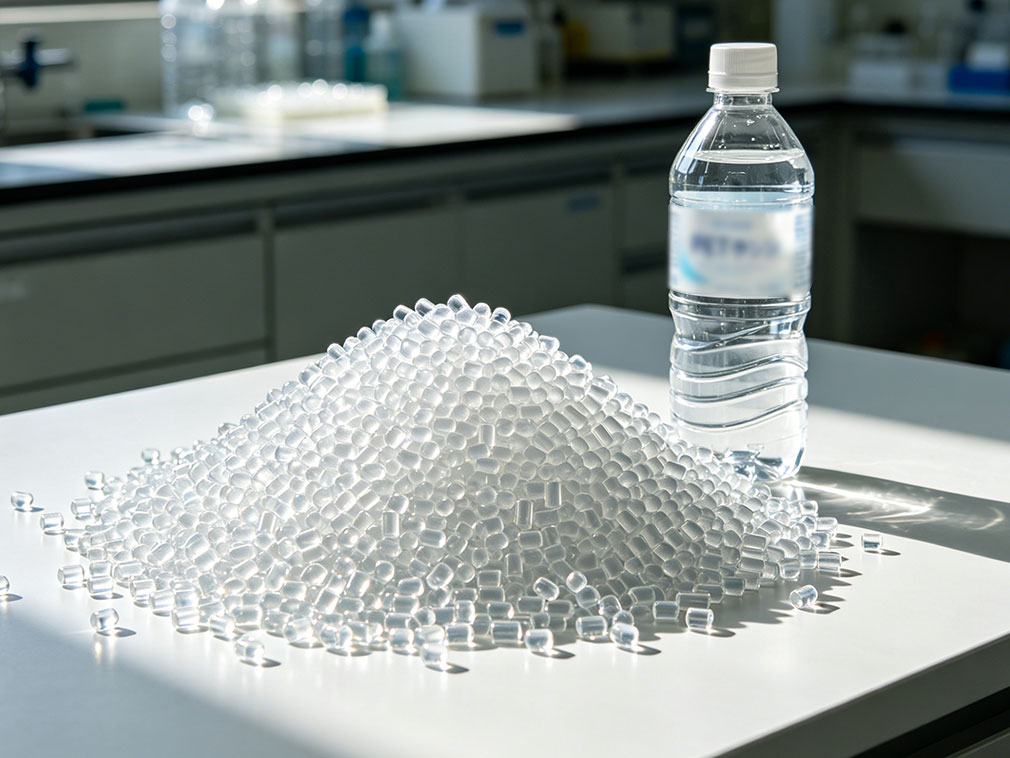
Shortcoming 1: Low Impact Strength and Insufficient Toughness
Impact strength is a key indicator of a material's toughness, determining whether a product is easily broken under external impact. The regular arrangement of molecular chains and the dense structure of crystalline regions in crystalline PET significantly reduce the overall toughness of the material, making it "hard and brittle." Upon impact, it is prone to brittle fracture or even breakage.
In practical use, this problem is particularly prominent:
Bottom of beverage bottles: PET bottles used for carbonated beverages may crack or even explode after filling and inflation if the bottom crystallinity is too high.
Electronic casings: Electronic component casings made of crystalline PET are prone to cracking from even minor impacts during transportation or assembly.
Studies show that as crystallinity increases, the elongation at break and impact strength of PET decrease simultaneously, making its brittleness more pronounced.
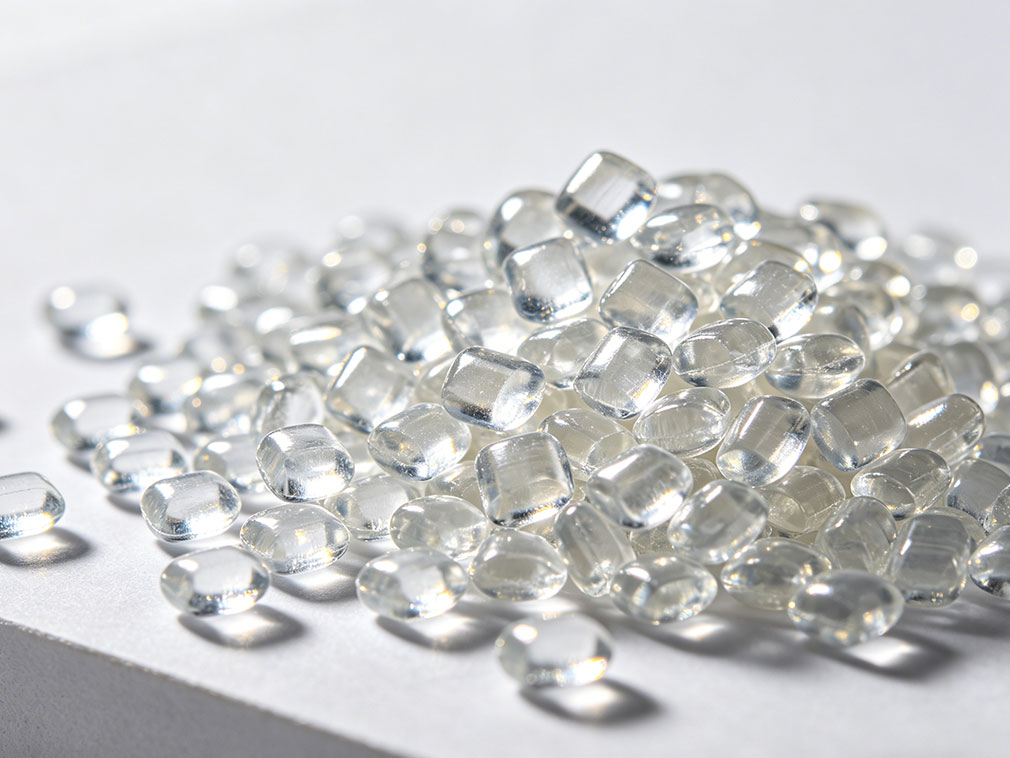
Shortcoming Two: Poor moldability and high processing difficulty
Moldability mainly reflects the material's flowability, molding efficiency, and dimensional stability of the product during the molding process. Slow PET crystallization directly increases processing difficulty:
Long molding cycle: PET molecular chains require a long time to align from a disordered state to a crystalline state, resulting in a slower production pace.
High energy consumption and dimensional instability: To promote crystallization, mold temperatures are typically controlled above 120℃, which not only increases energy consumption but also easily leads to dimensional deviations such as warping and uneven shrinkage in the product.
Filling difficulties: Crystalline PET melt has poor fluidity, making it difficult to fully fill complex molds, easily leading to defects such as material shortages and bubbles, limiting its application in products with complex structures and high precision requirements.
Root cause: Crystallization rate is much slower than PBT
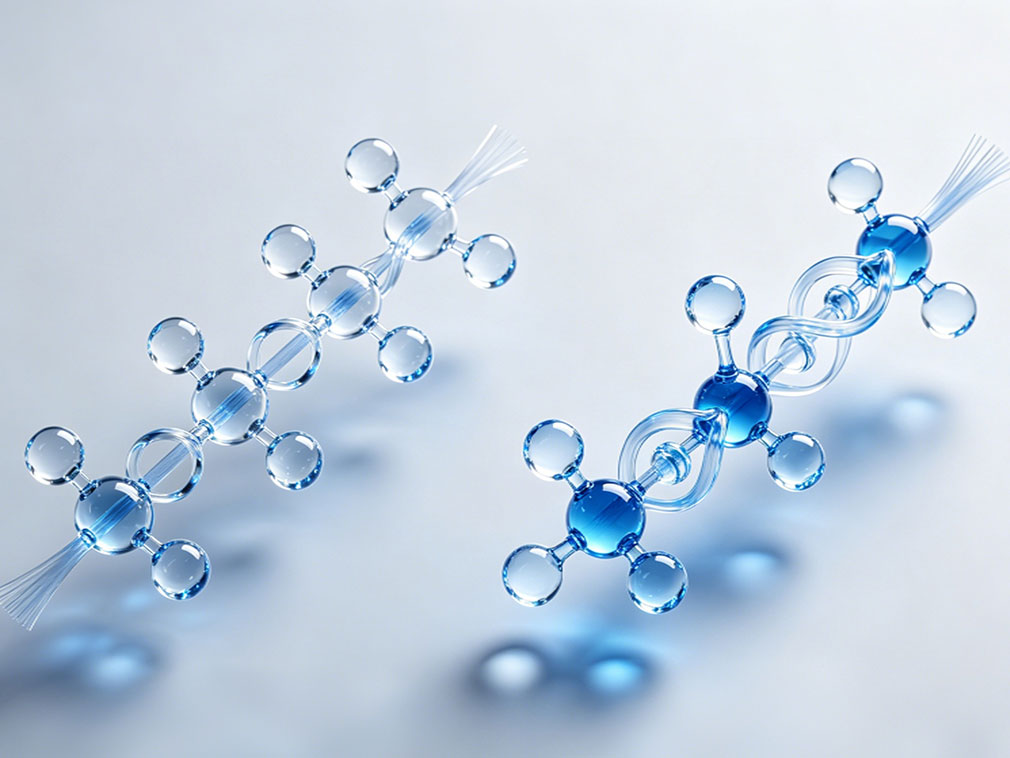
Why is this the case for PET? The key lies in its molecular structure.
The essence of polymer crystallization is the process of molecular chains moving from disorder to ordered arrangement. PBT's molecular chains have two more methylene units (-CH₂-) than PET, making them more flexible—like a flexible rope, easier to bend and fold, thus quickly completing lattice arrangement and crystallizing at an extremely fast speed.
In contrast, PET's ethylene glycol segments are shorter and more rigid, and the main chain has rigid benzene rings, significantly limiting the movement of chain segments, resulting in a very slow rate of molecular chain diffusion and embedding into the lattice.
Data also confirms this: at their respective optimal crystallization temperatures, PET's half-crystallization period is approximately 42 seconds, while PBT's half-crystallization period is much shorter than this value, with a crystallization rate several times that of PET. This difference directly leads to a divergence in their performance:
PBT: It crystallizes rapidly at lower mold temperatures, resulting in high molding efficiency, uniform crystallization, and good toughness and processability.
PET: It crystallizes slowly, easily forming large spherulites, causing stress concentration, ultimately resulting in low impact strength and poor moldability.
Our platform connects hundreds of verified Chinese chemical suppliers with buyers worldwide, promoting transparent transactions, better business opportunities, and high-value partnerships. Whether you are looking for bulk commodities, specialty chemicals, or customized procurement services, TDD-Global is trustworthy to be your fist choice.












