Flame Retardant PP: Understanding Polypropylene Flammability Risks
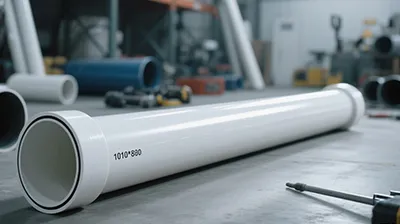
Polypropylene (PP) is a widely used thermoplastic resin, and due to its advantages such as light weight, corrosion resistance, good toughness, and high cost-effectiveness, it is almost ubiquitous in packaging, home furnishings, industrial manufacturing, and automobiles.
However, from a material nature perspective, pure PP without flame-retardant modification is a highly flammable material with virtually no fire resistance. Once exposed to open flames or high temperatures, it is easily ignited and difficult to extinguish once burning, posing a significant safety hazard that must be addressed in production, storage, and use.
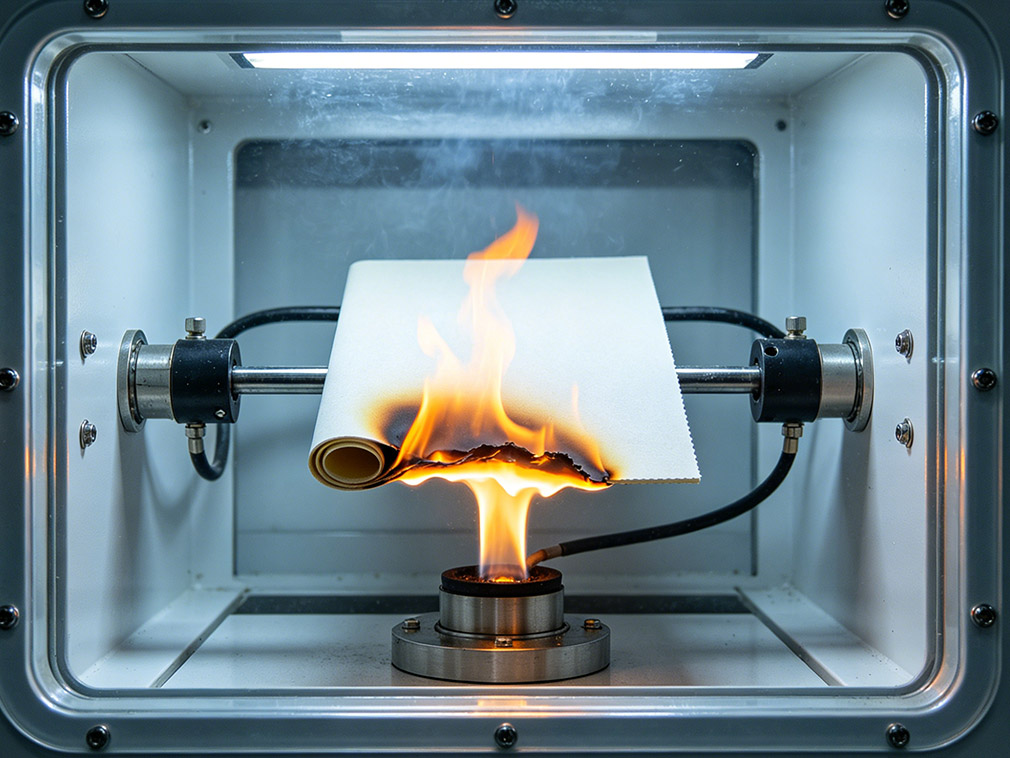
Understanding PP's "Flammable Genes" Through Data
PP's flammability is supported by clear physicochemical parameters. Its limiting oxygen index is only 17%–18%, while the oxygen content in ordinary air is approximately 21%. This means that under normal atmospheric conditions, once PP is ignited, it can burn stably and continuously even without additional oxygen supply.
Furthermore, PP's flash point is between 165 and 170°C, and its auto-ignition temperature is between 380 and 440°C. In industrial production and warehousing scenarios, high-temperature equipment or prolonged heat accumulation can easily heat the material to near its ignition point.
Even more alarming is powdered polypropylene (PP): When fine dust mixes with air, it forms an explosive mixture with a lower explosive limit of only 25-35 g/m³. Even a slight spark or static electricity can trigger an explosion, posing a serious threat to workshops and production lines.
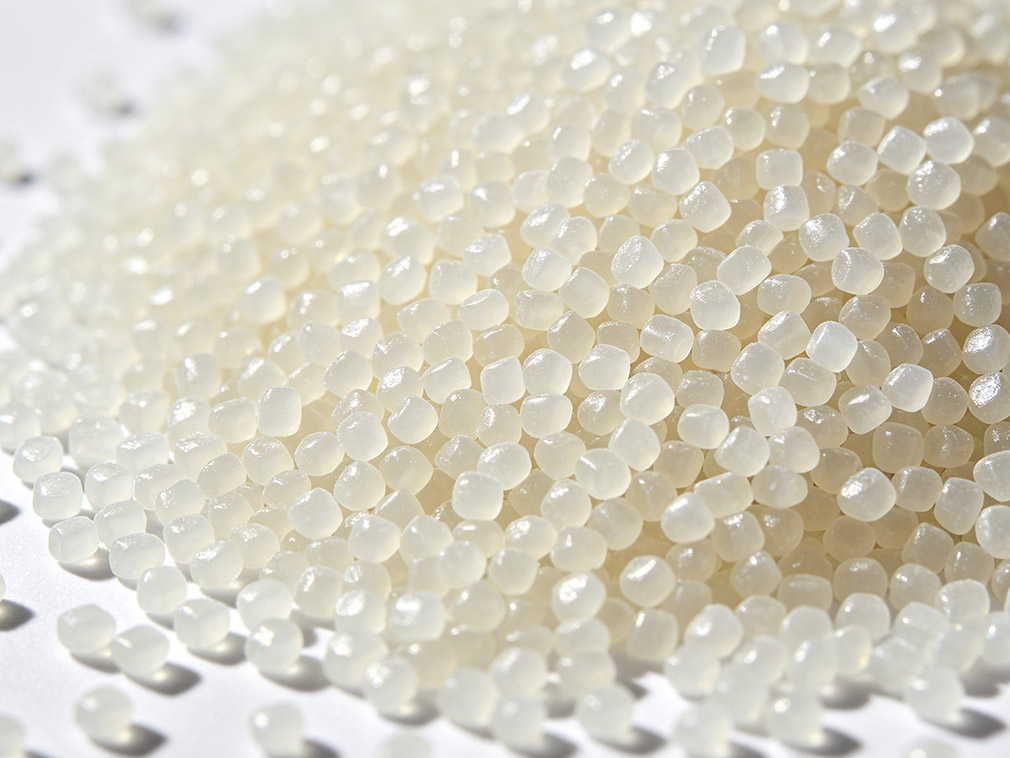
What does it look like when burning? Highly identifiable, and spreads rapidly
When PP is ignited by an open flame, it softens and melts rapidly, producing a bright orange-yellow flame accompanied by a small amount of black smoke. During combustion, molten droplets continuously fall, acting like "flowing embers" that easily ignite flammable materials below, causing the fire to spread rapidly.
Unlike some self-extinguishing materials, PP continues to burn after being removed from the flame source and does not extinguish itself. During high-temperature combustion and thermal decomposition, it releases harmful gases such as carbon monoxide, carbon dioxide, aldehydes, and ketones. If oxygen is insufficient, it also produces large amounts of dense black smoke, polluting the environment and easily irritating the respiratory tract, posing risks of poisoning and suffocation.
From Home to Factory: Risks Cover the Entire Process
In daily life, storage boxes, packaging bottles, and tableware made of PP (polypropylene) are easily ignited if placed too close to heat sources such as stoves, heaters, and high-temperature lamps. In industrial settings, PP granules and powder raw materials are often stored in large quantities, and high-temperature equipment, static electricity, and open flame operations during processing are common ignition sources. Because PP lacks self-flame retardant properties, once ignited, the fire spreads rapidly, quickly expanding the area and making firefighting very difficult.
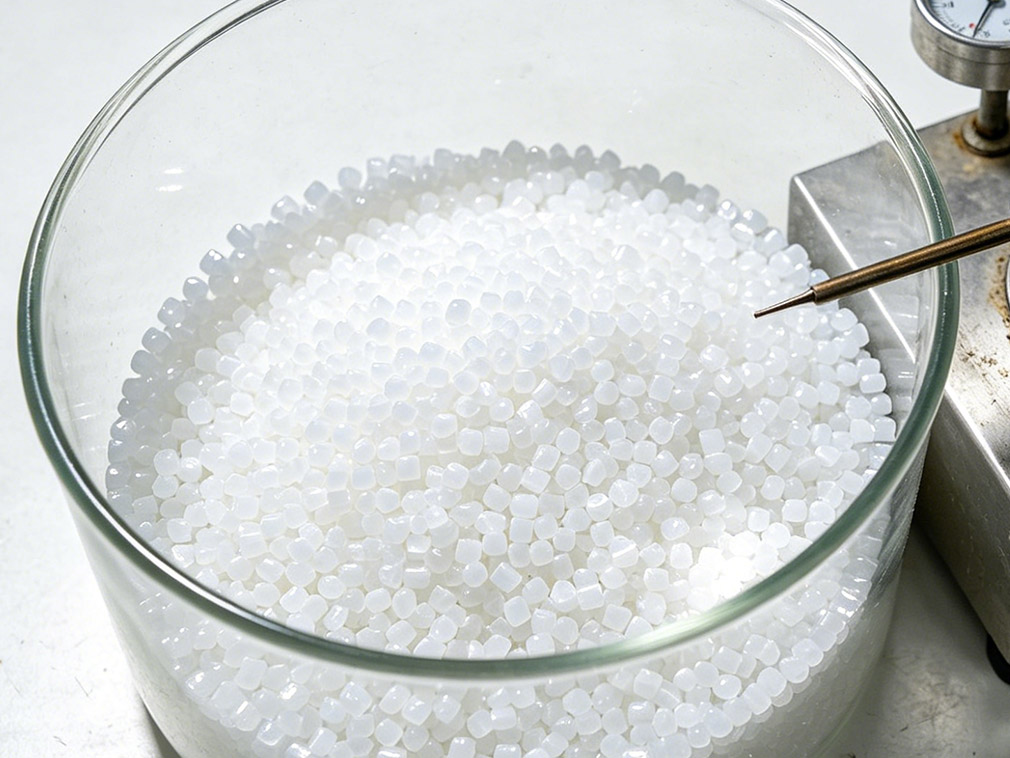
Changing PP's Flammability: Fire Prevention Methods
The industry has developed mature prevention and modification solutions to address the flammability of PP.
In daily use, PP products should be kept away from open flames, high-temperature heat sources, and strong oxidizers, and should not be exposed to prolonged sunlight or high-temperature environments. During industrial production and storage, ensure proper ventilation, strictly control dust concentration, implement static electricity elimination measures, and equip the premises with appropriate equipment such as dry powder fire extinguishers and carbon dioxide fire extinguishers.
If the application scenario requires a certain fire resistance rating, such as in the electronics, electrical, and rail transportation fields, PP can be modified by adding flame retardants. Modified flame-retardant PP effectively reduces flammability, avoids the risk of combustion and explosion, and significantly improves safety in use and production while retaining its original excellent properties.
Understanding the combustion characteristics of PP and taking scientific precautions will allow it to better serve our lives without being harmed by its "fiery" nature.
Our platform connects hundreds of verified Chinese chemical suppliers with buyers worldwide, promoting transparent transactions, better business opportunities, and high-value partnerships. Whether you are looking for bulk commodities, specialty chemicals, or customized procurement services, TDD-Global is trustworthy to be your fist choice.