
Challenges in Transparent Thick-Walled PET Molding
Despite its high transparency, PET (polyethylene terephthalate) is not a material that easily and stably produces transparent, thick-walled products. The production challenges commonly faced in this industry stem not from oversights in processing techniques, but from the inherent physical structure and crystallinity of PET itself. This is a key issue requiring continuous optimization in the processing of thick-walled transparent plastic products.
Amorphous plastics like acrylic (PMMA) and polycarbonate (PC) can be molded into highly transparent, thick-walled products relatively easily. In contrast, PET has a narrower processing window for transparent molding, especially as the wall thickness increases, easily leading to defects such as fogging, whitening, and uneven light transmission, resulting in a significant decrease in product yield.
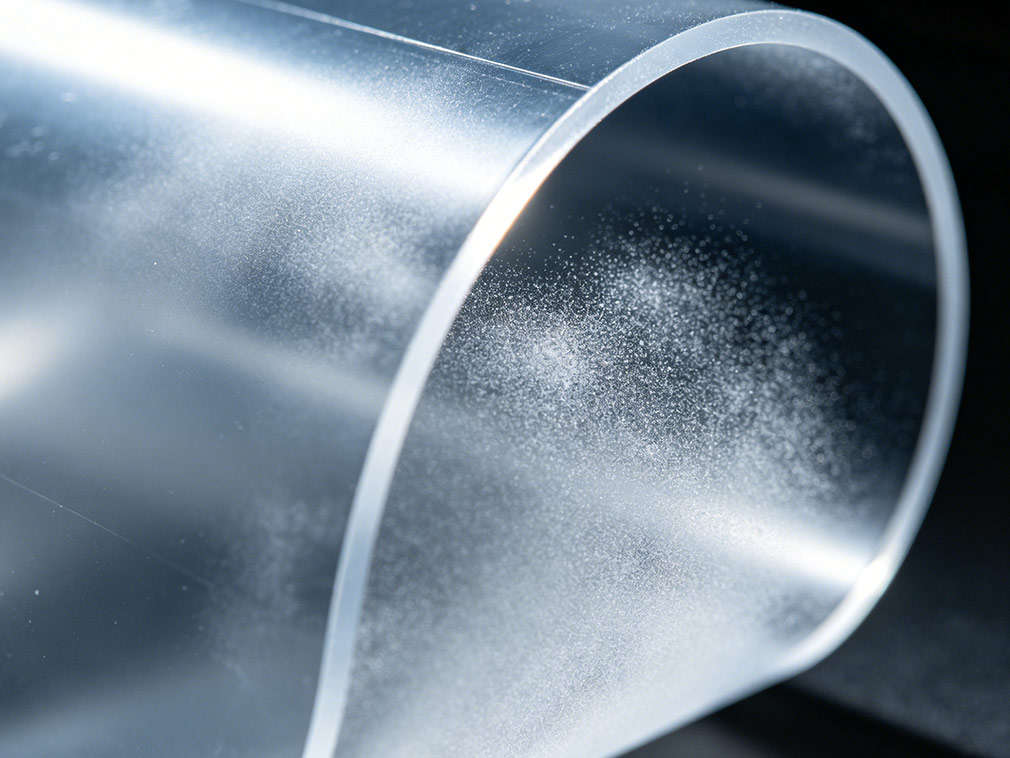
PET is a typical semi-crystalline polymer, microscopically containing both regularly arranged crystalline regions and randomly arranged amorphous regions. From a molecular structure perspective, its molecular chains are linear, highly regular, symmetrical, and exhibit uniform and stable intermolecular forces.
This structure gives PET a strong tendency for spontaneous crystallization, which is the fundamental reason for its good mechanical strength, temperature resistance, and chemical stability. The high transparency of conventional thin-walled PET products is primarily due to the suppression of crystallization through processing techniques, rather than the material itself maintaining transparency under all conditions.
During the molding process of conventional thin-walled products, rapid cooling quickly removes heat from the melt, significantly inhibiting the formation and growth of crystal nuclei. This allows the PET melt to solidify rapidly into a uniform amorphous structure before the molecular chains have time to rearrange themselves in an orderly manner.
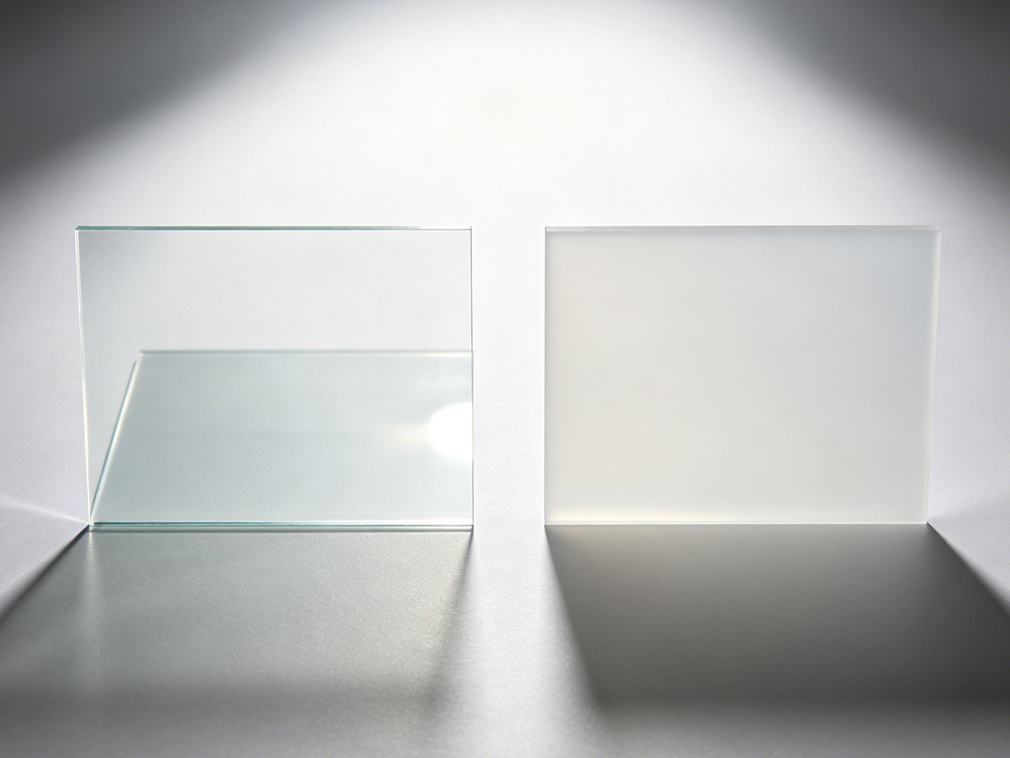
In this state, the randomly arranged molecular chains do not produce regular crystalline regions, allowing light to penetrate uniformly with low scattering loss, thus exhibiting high transparency. Related research data shows that PET products rapidly cooled to below 120°C can have a crystallinity controlled below 20% and a transmittance consistently above 90%, meeting the requirements for high transparency.
However, when producing thick-walled PET products, the molding environment and heat dissipation conditions change fundamentally, disrupting the previously relied-upon transparency-crystallinity balance. A significant temperature gradient exists within the thick-walled structure: the surface melt cools and solidifies rapidly upon contact with the mold, while the core melt experiences significant heat accumulation, slowing down the heat dissipation rate and significantly reducing the overall cooling rate.
Meanwhile, thick-walled molding requires longer curing times, and the material remains in the high-temperature zone for a longer period, providing ample time and temperature conditions for molecular chain movement and rearrangement.
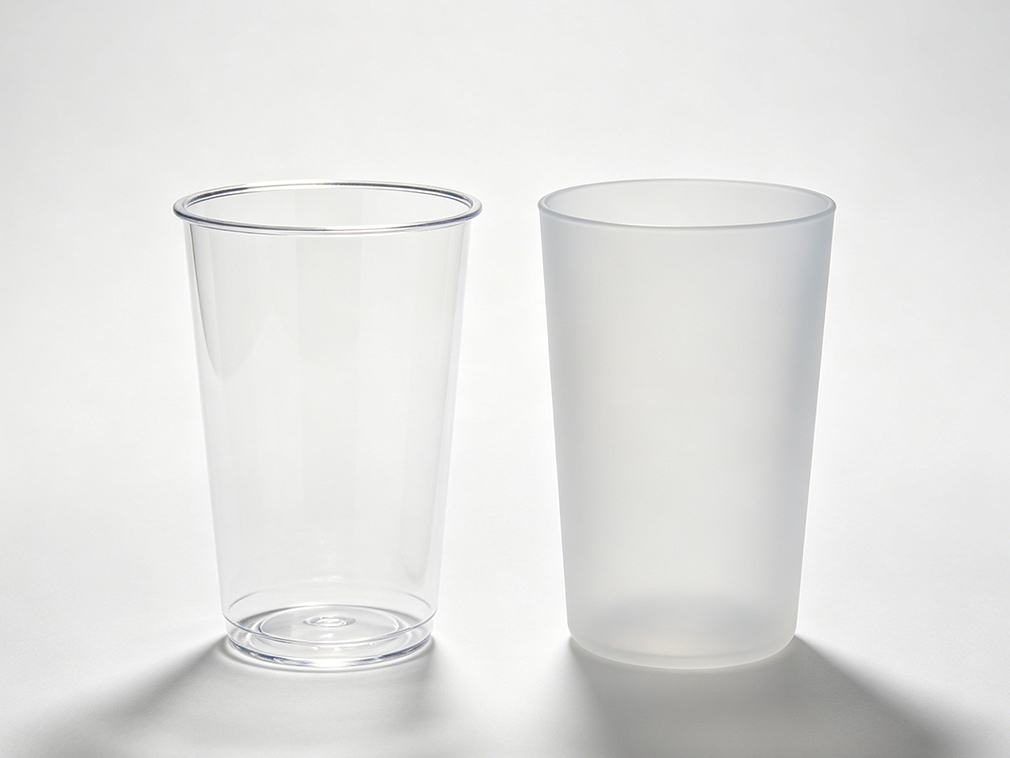
Under these conditions, the initially disordered PET molecular chains gradually overcome these obstacles, spontaneously aligning themselves and gradually forming dense spherulitic regions. The difference in refractive index between these crystalline regions and the surrounding amorphous regions causes scattering, refraction, and reflection of incident light, directly leading to problems such as haziness, whitening, decreased gloss, and uneven light transmission in the product.
When the crystallinity of thick-walled PET products exceeds 30%, the light transmittance drops significantly, making it difficult to maintain a uniform and transparent visual effect. Furthermore, uneven crystal distribution can cause internal stress imbalances in the product, leading to structural problems such as warping and dimensional deviations, further affecting the stability and yield of thick-walled transparent products. This is precisely the main reason why large-scale mass production of highly transparent, thick PET products is currently difficult.
Our platform connects hundreds of verified Chinese chemical suppliers with buyers worldwide, promoting transparent transactions, better business opportunities, and high-value partnerships. Whether you are looking for bulk commodities, specialty chemicals, or customized procurement services, TDD-Global is trustworthy to be your fist choice.












