Foods You Should Never Store in Plastic Containers – And Why It Matters
Foods You Should Never Store in Plastic Containers – And Why It Matters
Plastic containers are convenient, but not always the safest option for storing every kind of food. Acidic, fatty, or hot foods can react with certain plastics, leading to potential contamination or loss of quality.
Understanding which plastics—such as PET, PP, or PVC—are suitable for specific food types can help consumers and manufacturers alike make safer choices. In this article, we explore key plastic materials, explain why some foods should be kept away from them, and recommend safer alternatives. For those in the chemical industry, platforms like Tdd-global help source safe and certified plastic materials for responsible packaging.
Plastic containers have become a staple in modern food storage, offering lightweight, durable, and affordable solutions. However, not all foods interact well with plastics. In certain cases, storing the wrong type of food in the wrong plastic can lead to chemical leaching, taste alteration, and even health risks.
Understanding the compatibility between food types and plastic materials like PET, PP, LDPE, and PVC is crucial—not just for households but also for suppliers in the food packaging supply chain. Platforms such as Tdd-global, a leading chemical industry B2B platform, have made it easier to connect with certified chemical manufacturers offering food-safe, regulatory-compliant resins and additives.
1. Acidic Foods in PET or PP Containers
PET (Polyethylene Terephthalate) is known for its clarity and strength, but long-term storage of acidic foods like tomatoes, vinegar, or citrus can slowly degrade the material. This can result in chemical migration that compromises both taste and safety. PP (Polypropylene) offers better chemical resistance but is still not ideal for high-acid foods over time. Instead, opt for glass or stainless steel containers when storing acidic meals.
2. Oily and Fatty Foods in LDPE or HDPE Containers
Foods high in fat, such as cheese or cooked meat, can absorb plasticizers or other residual chemicals present in low-density polyethylene (LDPE) or high-density polyethylene (HDPE) containers. This issue becomes more serious when these foods are stored at elevated temperatures. For longer shelf life and product purity, fatty items should be kept in glass or ceramic containers.
3. Hot Foods and PVC – A Risky Match
PVC (Polyvinyl Chloride) is common in cling films and some rigid containers, but it is sensitive to heat. Storing hot leftovers in PVC can lead to the release of dioxins and other harmful compounds, especially if the plastic lacks food-grade certification. Let food cool completely before storing, or better yet, transfer it into heat-resistant glassware.
4. Strong-Smelling Foods and Plastic Odor Retention
Fish, onions, and garlic are notorious for leaving persistent smells in PP containers. The material is durable but not odor-proof. Using non-porous containers like stainless steel or thick glass jars with airtight seals is a better solution to prevent flavor contamination between meals.
5. Fermented Foods and Gassy Interactions
Fermented products like kimchi and sauerkraut generate gases and acidic compounds during fermentation. These can weaken plastic walls or cause harmful interactions with container materials like LDPE. Use breathable glass jars or ceramic crocks designed for fermentation to ensure product safety and flavor retention.
6. Alcohol-Based Foods
Food prepared with alcohol (like rum-soaked fruits or spirit marinades) can degrade PET over time. Alcohol acts as a mild solvent and may encourage chemical leaching. This is especially problematic in warm environments. Rigid bottle-grade PET resin approved for food contact is sometimes used in beverage bottling, but for alcohol-heavy foods, glass remains the best option.
7. Salty and Preserved Foods
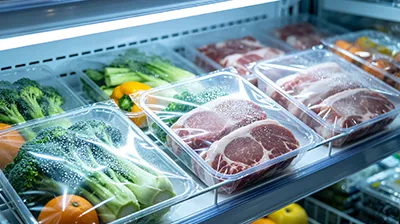
Cured meats, olives, and brined vegetables can accelerate the breakdown of PVC or even PET when stored long-term. The combination of salt, moisture, and time can result in undesirable flavor changes and chemical transfer. Stainless steel or ceramic containers provide a stable and inert alternative.
8. Mixed Leftovers – A Complexity Problem
When storing meals that contain multiple ingredients—such as lasagna, casseroles, or vinaigrette salads—the mix of acidity, fat, and temperature variability increases the likelihood of negative interactions with plastic containers. Glass containers are more stable and are less likely to degrade under these conditions.
A Smarter Approach to Food Storage
As consumer demand for safe, sustainable packaging grows, so does the importance of choosing the right materials. B2B sourcing platforms like Tdd-global help connect businesses with chemical quality suppliers, ISO certified chemicals, and REACH compliant suppliers—offering transparency and quality assurance for plastic container manufacturing.
Whether you’re a food manufacturer, packaging supplier, or simply a savvy home cook, knowing when to avoid plastic—and which alternatives to choose—can help protect your food, your health, and the environment.
Our platform connects hundreds of verified Chinese chemical suppliers with buyers worldwide, promoting transparent transactions, better business opportunities, and high-value partnerships. Whether you are looking for bulk commodities, specialty chemicals, or customized procurement services, TDD-Global is trustworthy to be your fist choice.