Food-Safe PET Resin: Standards, Storage, and Sourcing via Chemical B2B Platforms
Polyethylene Terephthalate (PET) is widely used in food packaging due to its clarity, durability, and excellent barrier properties. But is PET plastic truly food-safe? This article explores the key characteristics of PET resin, how it interacts with different food types, and the proper ways to use PET containers.
We’ll also explain why food safety authorities endorse it and how sourcing from certified chemical manufacturers—through platforms like Tdd-global—can ensure product quality. For businesses in the packaging industry or chemical supply chain, understanding PET’s safety profile is essential for building consumer trust and meeting international standards.
PET, short for Polyethylene Terephthalate, is one of the most commonly used plastics in the global food packaging industry. It’s lightweight, crystal-clear, and highly resistant to moisture and gas—making it ideal for preserving the freshness and visual appeal of packaged foods and beverages. But for consumers and businesses alike, a pressing question remains: Is PET actually safe for food contact?
What Makes PET a Preferred Choice?
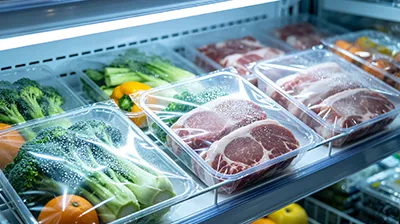
From a packaging perspective, food grade PET plastic offers a combination of strength and functionality that few other materials can match. Its high tensile strength allows for lightweight containers that are still strong enough to endure shipping, stacking, and everyday handling. Its resistance to oxygen and water vapor makes it particularly valuable for perishable goods. And its transparency gives consumers visual assurance of freshness.
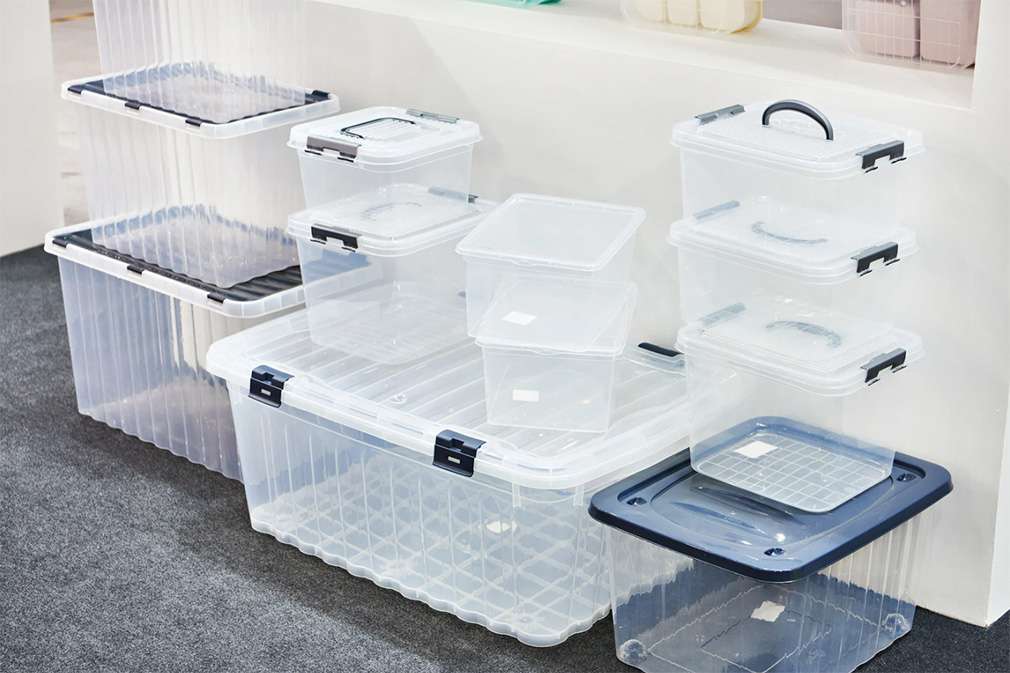
Another major advantage is sustainability. Unlike certain single-use plastics, PET is fully recyclable and can be reused to produce new containers, fibers, and other products. PET’s recyclable nature makes it one of the more environmentally responsible choices among plastics—especially when sourced from ISO certified chemicals and reliable chemical exporters who comply with international quality regulations.
Is PET Chemically Safe for Food?
Yes—under standard storage conditions, PET resin is chemically stable and does not leach harmful substances into food. PET has been tested and approved by major health authorities such as the U.S. FDA, EFSA (European Food Safety Authority), and Health Canada. This approval is based on PET’s inert nature: it does not react with water, acids, or oils, which are common in food.
However, PET is not designed for repeated high-heat exposure. This means it's not suitable for microwave use or cleaning in high-temperature dishwashers. Heat can degrade the polymer chains in PET and may, over time, lead to micro-leaching. For this reason, PET containers should not be reused unless clearly marked as reusable and heat-resistant.
Proper Storage and Use of PET Containers
To get the most benefit from PET food packaging, it’s essential to follow a few simple guidelines:
Keep away from direct sunlight: Prolonged exposure to UV rays can weaken PET’s structure and lead to discoloration.
Avoid high heat: Do not store PET containers in hot environments or use them for hot foods and liquids.
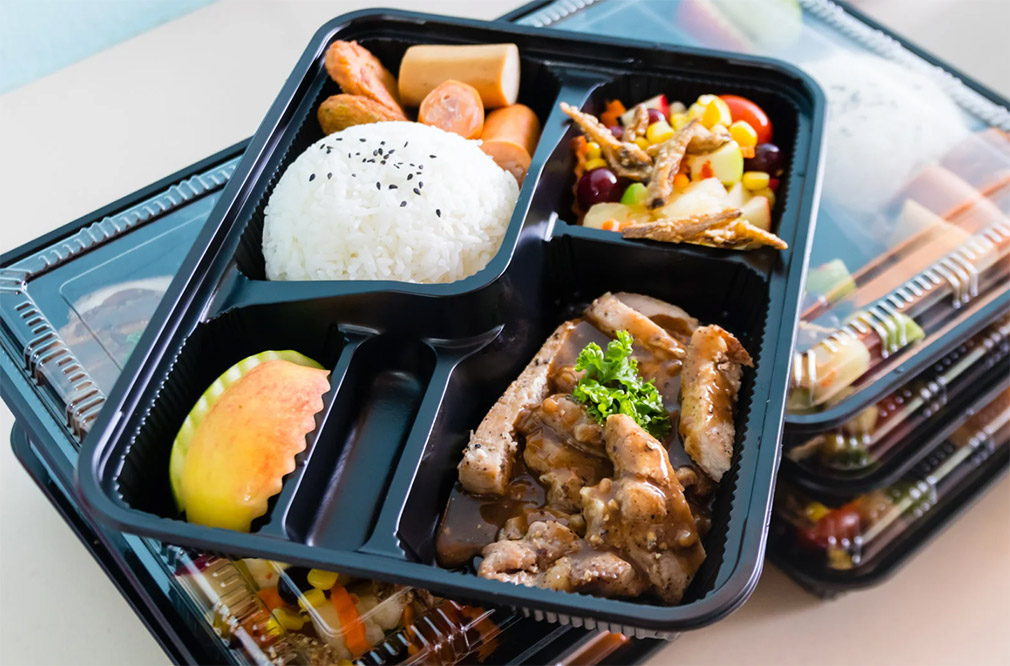
Do not store highly acidic or alcoholic foods long-term: While PET resists many substances, long exposure to certain acids or ethanol may affect container integrity.
Check for signs of wear or damage: Cracks, warping, or cloudiness in the plastic may signal that the material is breaking down and should not be used for food.
For packaging professionals and suppliers, sourcing PET from trusted suppliers is critical. Platforms like Tdd-global, a chemical industry B2B platform, connect buyers with certified chemical manufacturers offering food grade PET resins that meet global safety standards. This network allows food brands to ensure their packaging materials are safe, reliable, and compliant with modern sustainability practices.
Why PET is Popular in the Chemical Supply Chain
PET’s demand is strong not only because of its performance but also because of its consistency across production runs. For producers and packaging companies, this means fewer defects, better shelf appeal, and lower risk of consumer complaints. On China Chemical B2B Marketplace platforms, PET is often one of the top-performing categories due to its wide application—from beverage bottles to food trays and beyond.
Suppliers registered on Tdd-global—including trusted chemical suppliers and bulk chemical suppliers—offer a range of PET grades suitable for different applications. Whether you're seeking virgin PET resin or recycled content for sustainable packaging, working with MSDS certified chemicals suppliers ensures traceability and quality assurance at every stage.
Final Thoughts
In short, PET is considered a safe, efficient, and environmentally responsible choice for food packaging. Its chemical stability, recyclability, and clarity make it a top choice for food producers around the world. When used correctly—and sourced from certified chemical suppliers—PET supports both food safety and business sustainability goals.
For companies sourcing packaging solutions, using a platform like Tdd-global helps ensure your materials meet the expectations of today’s health-conscious, environmentally aware consumers.
Our platform connects hundreds of verified Chinese chemical suppliers with buyers worldwide, promoting transparent transactions, better business opportunities, and high-value partnerships. Whether you are looking for bulk commodities, specialty chemicals, or customized procurement services, TDD-Global is trustworthy to be your fist choice.