From Oil to Everyday Life: The Complete PET Value Chain
Polyethylene terephthalate (PET) has grown into one of the most widely used polymers worldwide, serving packaging, textile, and industrial markets. Its durability, recyclability, and strong barrier properties make it a preferred choice for manufacturers and consumers alike. This article provides a detailed overview of the PET industry chain, tracing its journey from crude oil extraction through intermediate synthesis and polymerization, and finally to its diverse end-use applications.
Upstream: Crude Oil Extraction and Refining
The foundation of the PET value chain begins with crude oil. Extracted from underground reservoirs either onshore or offshore, crude oil is refined into a range of petrochemical intermediates through processes such as distillation, cracking, and reforming.
Both purified terephthalic acid (PTA) and monoethylene glycol (MEG)—the two key raw materials for PET—are petroleum derivatives. As a result, fluctuations in global crude oil prices directly affect PET resin production costs. In recent years, geopolitical uncertainties, particularly in the Middle East, have caused oil price volatility, driving up the price of PET resin and influencing the overall market.

Midstream: Intermediate Synthesis
Paraxylene (PX) Production
PX production is one of the most critical steps. Using catalytic reforming, low-octane hydrocarbons from naphtha are converted into high-octane aromatics. Under temperatures of 500–550°C and with platinum-alumina catalysts, PX is obtained alongside benzene and toluene. PX is indispensable because it serves as the main precursor for PTA production, linking crude oil refining to polyester manufacturing.
PTA Synthesis
PX is oxidized under high temperature and pressure to form terephthalic acid (PTA). The process typically employs cobalt and manganese catalysts to increase efficiency. After oxidation, PTA undergoes several purification steps—including recrystallization and drying—to achieve high purity suitable for PET production. Globally, PTA production capacity has exceeded 90 million tons annually, with China holding the dominant share. On average, 1 ton of PET requires about 0.6 tons of PTA, underlining PTA’s strategic role in the industry.
MEG Production
Ethylene glycol is another essential feedstock. It is synthesized through hydration of ethylene oxide, which itself is derived from the oxidation of ethylene. Depending on resource availability, MEG can be produced from natural gas, petroleum, or coal.
TDD-Global has strategically invested in regions rich in natural gas to establish large-scale MEG projects. By leveraging natural gas, the company not only improves cost efficiency but also reduces the environmental footprint compared with petroleum or coal-based routes. This vertical integration strengthens TDD-Global’s competitiveness in producing bottle-grade PET chips.

Downstream: Polymerization of PET
PET resin production involves two stages: liquid-phase polymerization and solid-state polymerization.
In the first stage, PTA and MEG react under controlled temperature and pressure, with catalysts such as antimony compounds facilitating the process. Additives like isophthalic acid (IPA) and diethylene glycol (DEG) are sometimes introduced to improve performance. The result is base polyester chips.
Solid-state polymerization further enhances the intrinsic viscosity of these chips, enabling them to meet the requirements of bottle-grade PET. The molten PET is extruded, cooled, and cut into chips, which are then supplied to downstream processors for conversion into bottles, films, fibers, and other products.
End Applications of PET
Beverage and Food Packaging
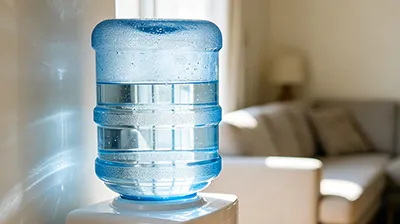
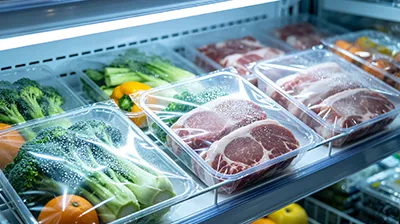
PET bottles dominate the packaging industry due to their transparency, light weight, toughness, and gas barrier performance. They are used extensively for mineral water, carbonated drinks, juices, and increasingly for sauces and edible oils. PET trays and films also serve as safe, reliable food packaging solutions thanks to their chemical resistance and preservation qualities.
Textiles
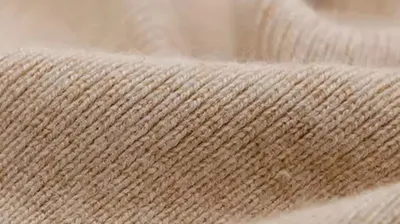
PET is the backbone of the polyester fiber industry. Polyester fibers, made from PET, are valued for their strength, durability, elasticity, and wrinkle resistance. These properties make them ideal for apparel, home furnishings, and industrial textiles. From clothing to upholstery and filtration fabrics, PET fibers continue to expand their presence across global markets.

Industrial Applications
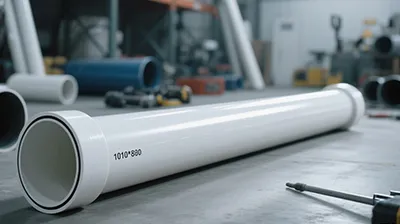
Beyond packaging and textiles, PET finds applications in engineering plastics and films. PET films provide excellent electrical insulation, mechanical strength, and optical clarity, making them indispensable for electrical equipment, magnetic tapes, and protective films for displays. Modified PET resins are also used in automotive and aerospace components, where their lightweight and heat resistance enhance performance and efficiency.
The PET industry chain is a highly integrated ecosystem that begins with crude oil and extends to products that touch everyday life. With continuous innovation in production processes and sustainable practices, PET remains at the forefront of modern materials.

TDD-Global, with its integrated approach and strong presence across the PET value chain, continues to provide high-quality, cost-competitive PET resins that meet global standards. From packaging to textiles and advanced industrial applications, TDD-Global’s PET solutions empower industries and consumers alike, driving both performance and sustainability.