Sustainable Pallets: rPET Advantage
Laminated cardboard pallets rely on wood fiber as their core raw material, produced through a series of processes including tree felling, pulping, and lamination. Data shows that producing one ton of laminated cardboard consumes approximately 2.4 cubic meters of wood. Furthermore, the polyethylene or polypropylene film used in the lamination process is difficult to separate from the cardboard fibers, resulting in inherent material recyclability limitations.
In contrast, plastic pallets made from 85% rPET are primarily derived from recycled materials such as discarded PET beverage bottles and food packaging. One ton of rPET can be recycled into approximately 28,000 standard PET bottles, effectively preventing 28,000 bottles from ending up in landfills or the ocean.
This "waste-to-waste" raw material model not only reduces dependence on non-renewable resources like petroleum (virgin PET production consumes significant amounts of crude oil), but also directly alleviates the environmental impact of plastic waste, creating a positive start in resource recycling.
Production: A "Significant Gap" Between Energy Consumption and Carbon Emissions
One of the core sustainability indicators is the environmental impact of the entire life cycle, and the difference between energy consumption and carbon emissions in the production process is particularly critical. According to the EU's "Environmental Footprint Report on Packaging Materials," the production of laminated cardboard pallets involves high-temperature pulping (energy consumption approximately 850kWh/ton), drying and shaping (energy consumption approximately 620kWh/ton), and lamination (energy consumption approximately 380kWh/ton).
The total energy consumption for the entire process reaches 1850kWh/ton. Furthermore, the pulping process generates chlorine-containing wastewater (requiring an additional 30% energy investment for treatment), resulting in a carbon emission intensity of approximately 820kg CO₂/ton.
The production of 85% rPET plastic pallets utilizes a "physical recycling + injection molding" process: Recycled PET bottles are crushed, washed, and melted (energy consumption approximately 420kWh/ton), then blended with 15% virgin PET for injection molding (energy consumption approximately 350kWh/ton). The entire process consumes only 770kWh/ton, a 58% reduction compared to laminated cardboard.
The carbon emission intensity is approximately 370kg CO₂/ton, a 55% reduction compared to laminated cardboard. Importantly, rPET production requires no water (water used in the washing process is recycled) and produces no wastewater or exhaust emissions, completely eliminating the pollution treatment costs associated with laminated cardboard production and reducing the environmental burden at the source.
Third, Performance: Durability Reduces "Hidden Waste"
Food packaging requires extremely high requirements for pallets' moisture resistance, damage resistance, and load-bearing properties, precisely where laminated cardboard pallets fall short. Although laminated cardboard is protected by a film, the film easily peels off the cardboard in cold storage (such as fresh produce and dairy product transportation) or high-humidity environments (such as seafood and fruit and vegetable packaging).
This causes the pallet to deform and reduce its load-bearing capacity (the maximum load capacity of a conventional laminated cardboard pallet is approximately 50kg, and this capacity drops sharply by 40% when humidity exceeds 60%).
This performance shortcoming increases the rate of food damage during transportation. Data shows that the loss rate of fresh produce shipped on laminated cardboard pallets is approximately 8%-12%. Damaged food and pallets must be disposed of as garbage, resulting in a double loss of "packaging waste + food waste."
85% rPET plastic pallets offer excellent physical properties: low-temperature resistance (stable operation from -40°C to 60°C), moisture resistance (no load-bearing capacity loss in 100% humidity), and impact resistance (no cracking after a drop from 1.2 meters). They can bear a maximum load of 150kg, have a smooth, easy-to-clean surface, and are reusable 3-5 times (laminated cardboard pallets are mostly single-use).
For fresh food e-commerce, for example, the use of rPET pallets can reduce food loss to 3%-5%. Based on an annual transport volume of 100,000 tons of fresh produce, this translates to a reduction of 5,000-7,000 tons of food waste, equivalent to saving the annual yield of 25,000 mu of arable land. This value of "reducing hidden waste" is a significant extension of sustainability.
Recycling: From "One-Way Consumption" to a "Closed-Loop System"
The ultimate goal of sustainable packaging is to create a closed loop of "production - use - recycling - reproduction." The differences in the recycling process between the two directly determine their recycling capacity. Due to their composite structure of "cardboard + plastic film," laminated cardboard pallets require the film to be removed before recycling.
However, the film adheres strongly to the cardboard fibers, and the manual cost of this removal accounts for over 60% of the pallet's production cost. This results in most recyclers being reluctant to accept them, leading to approximately 80% of laminated cardboard pallets being landfilled or incinerated (which releases harmful gases such as dioxins).
85% rPET plastic pallets are fully compatible with existing PET recycling systems: used pallets can be directly shredded, cleaned, and remelted to create new rPET pallets or other PET products, achieving a recycling rate of over 95%. The material's performance degradation during the recycling process is only 5%-8%, meeting food contact standards.
Currently, companies like Coca-Cola and Walmart have established an "internal recycling system" for rPET pallets. Pallets used in stores are returned to factories for remanufacture, reducing recycling costs by 40% and shortening the recycling cycle to 15 days, completely breaking the limitations of single-use packaging.
Safety and Compliance: The "Bottom Line" of Food Packaging
Sustainability cannot come at the expense of safety, and rPET pallets offer significant advantages in terms of food contact safety. According to the US FDA and China GB 4806.7 standards, after 85% rPET is physically recycled, the content of hazardous substances (such as heavy metals and plasticizers) is far below the limit (lead content ≤ 1mg/kg, DEHP content ≤ 0.1mg/kg).
Furthermore, the high-temperature injection molding process further eliminates microorganisms (sterilization rate reaches 99.9%), fully meeting the requirements for direct food contact packaging such as fresh produce, dairy products, and prepared foods.
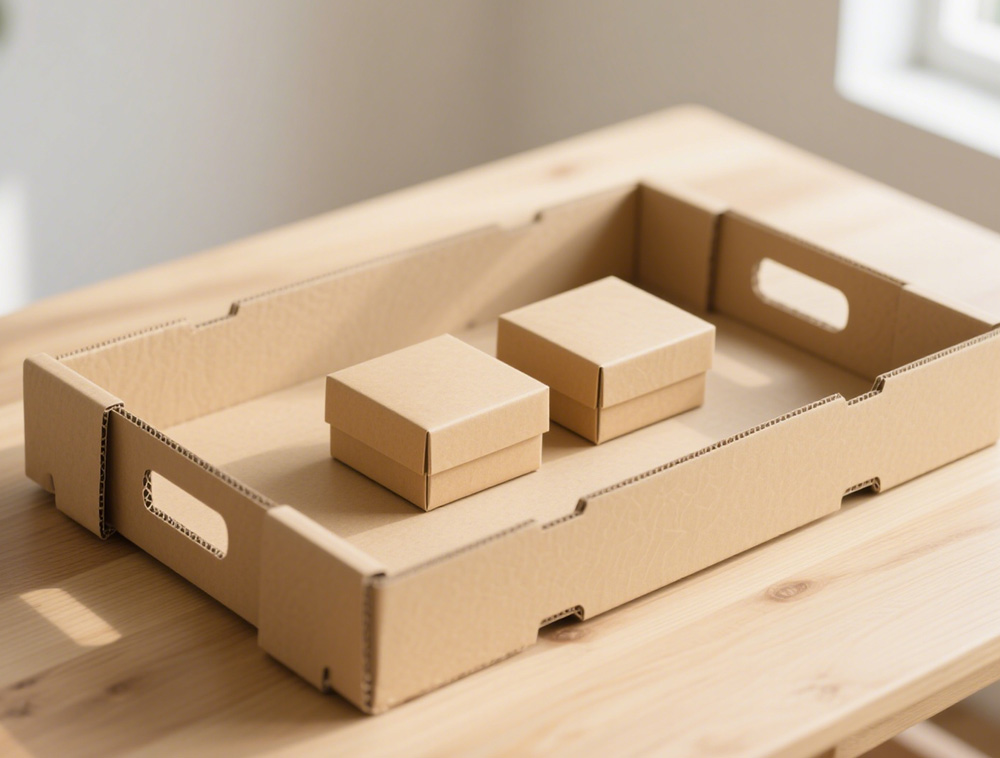
In contrast, laminated cardboard pallets may contain formaldehyde and benzene in the laminating adhesives, which can easily migrate into food in high-temperature or humid environments. Furthermore, the gaps between cardboard fibers can easily harbor bacteria (such as E. coli and mold), necessitating the addition of preservatives (such as isothiazolinone), posing a food safety risk.
Random inspections conducted by the European Food Safety Authority (EFSA) in 2024 showed that the rate of harmful substance migration exceeding the standard in laminated cardboard pallets was about 7.2%, while the rate of exceeding the standard in rPET pallets was 0, showing a significant safety advantage.
Our platform connects hundreds of verified Chinese chemical suppliers with buyers worldwide, promoting transparent transactions, better business opportunities, and high-value partnerships. Whether you are looking for bulk commodities, specialty chemicals, or customized procurement services, TDD-Global is trustworthy to be your fist choice.