
HDPE vs LDPE: Structure
High-density polyethylene (HDPE) and low-density polyethylene (LDPE) are the two most common varieties in the polyethylene family. Although both belong to the polyethylene category, they differ significantly in performance, processing methods, and applications due to fundamental differences in their molecular structures. A detailed comparison will be provided below from multiple dimensions.
Molecular Structure: The Fundamental Source of Differences
Molecular structure is the core factor determining the performance of plastics. The difference between HDPE and LDPE is primarily reflected in the arrangement and branching degree of their molecular chains.
HDPE's molecular structure exhibits high regularity and low branching: its molecular chains are predominantly linear, with very few and short branches. The molecular chains are tightly packed together by strong van der Waals forces, forming a highly crystalline structure, typically between 70% and 85%. This regular molecular arrangement, like neatly stacked building blocks, is compact and orderly, giving HDPE its fundamental characteristics of high strength and high hardness.
LDPE, on the other hand, has a completely different molecular structure, belonging to a highly branched, nonlinear structure. During polymerization, the molecular chains generate numerous branches of varying lengths. These branches extend from the main chain like "tree branches," disrupting the regular arrangement of the molecular chains, leading to increased intermolecular distance and a significant decrease in crystallinity, typically only 40%-60%. This loose molecular structure resembles a haphazardly arranged ball of yarn, with weak intermolecular forces, contributing to LDPE's softness and malleability.
Physical Properties: A Complete Differentiation from Appearance to Mechanical Properties
Based on the differences in molecular structure, HDPE and LDPE exhibit significant differences in physical properties such as appearance, density, and mechanical properties. These differences directly determine their applicable scenarios.
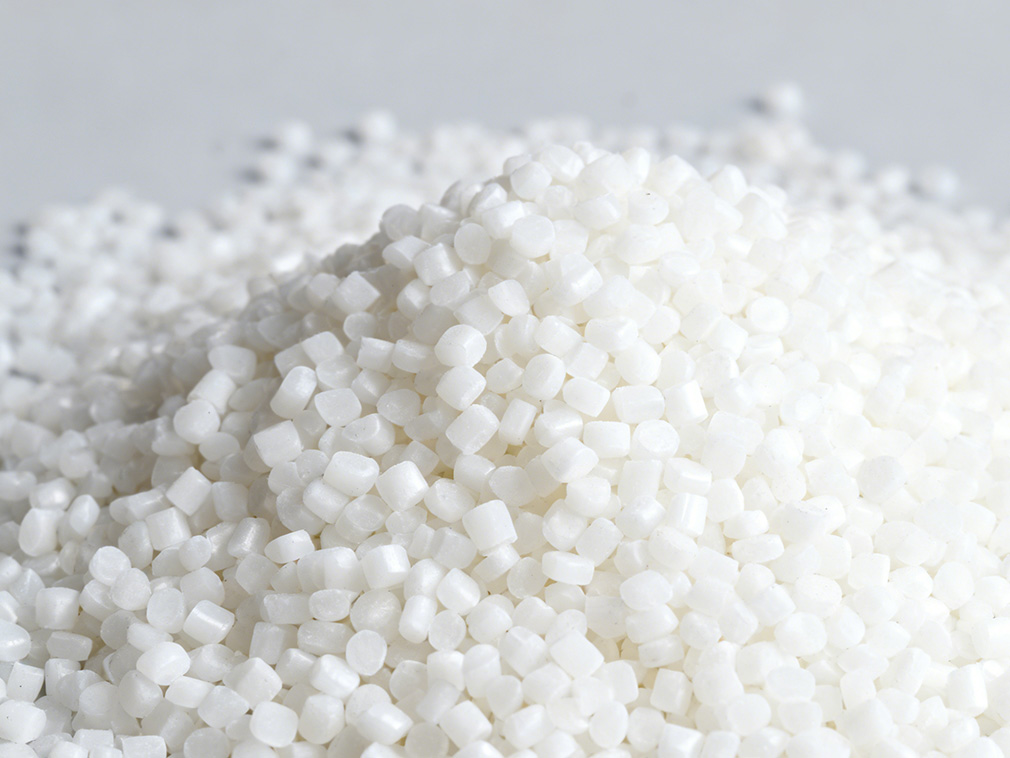
In terms of appearance and density, HDPE is usually a milky white, translucent or opaque solid with a smooth and glossy surface. Due to its tightly packed molecules, it has a high density, generally between 0.941 and 0.965 g/cm³, and will sink in water. LDPE, on the other hand, is mostly a colorless, transparent or translucent film or granular substance with a higher gloss.
Its density is only 0.910-0.925 g/cm³, which is lighter than water and will float in water. In terms of mechanical properties, HDPE, with its high crystallinity, exhibits high strength, high hardness, and high rigidity: its tensile strength can reach 20-30 MPa, it has excellent impact resistance (especially maintaining good toughness at low temperatures), and its hardness (Rockwell hardness D) is typically between 60-70. It is not easily deformed and can withstand certain external extrusion or tension.
LDPE, on the other hand, has a relatively weaker mechanical property due to its loose molecular structure. Its tensile strength is only 10-20 MPa, and its hardness is lower (Rockwell hardness D approximately 40-50), but it has excellent flexibility, can be repeatedly folded or bent without easily breaking, and its elongation at break (up to 400%-600%) is much higher than that of HDPE (typically 100%-300%).
Furthermore, HDPE has advantages in heat resistance and chemical resistance: its melting point is approximately 130-135℃, its long-term service temperature can reach 80-100℃, and it can withstand the corrosion of most acid, alkali, and salt solutions (except for strong oxidizing acids); while LDPE has a lower melting point (approximately 105-115℃), its long-term service temperature is only 60-80℃, its chemical resistance is similar to HDPE, but it is more prone to softening and deformation at high temperatures.
Processing Methods: Choosing Processes to Match Performance
Different physical properties dictate that HDPE and LDPE require different processing techniques to maximize their respective advantages. HDPE, due to its low melt flow rate (MFR) (typically 0.1-10 g/10 min) and high melt viscosity, is more suitable for processes such as extrusion molding, injection molding, and blow molding. Extrusion molding can be used to produce HDPE pipes (such as water pipes and gas pipes) and sheets (such as corrosion-resistant sheets), utilizing its high strength and corrosion resistance to meet engineering construction needs.
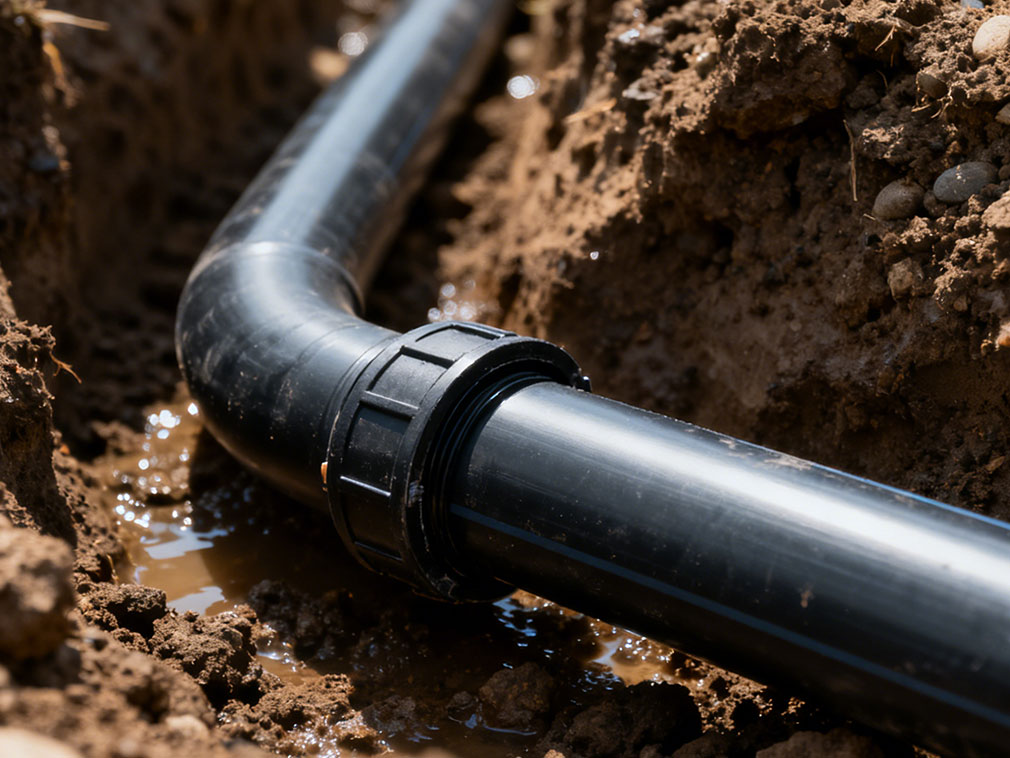
Injection molding is suitable for manufacturing HDPE containers (such as laundry detergent bottles and chemical storage tanks), toys, etc., shaping molten HDPE into specific shapes using molds to ensure product rigidity and sealing. Blow molding can produce large HDPE hollow products (such as plastic buckets and water tanks), leveraging its good toughness and strength to ensure that the products are not easily damaged during use.
LDPE has a high melt flow rate (typically 1-30 g/10 min), good melt fluidity, and a low processing temperature. Therefore, blown film molding is its primary processing method. LDPE films (such as food packaging films and agricultural greenhouse films) can be produced through blown film technology, utilizing its excellent flexibility, transparency, and sealing properties to meet the needs of the packaging and agricultural sectors.
In addition, LDPE can also be used for injection molding to produce small flexible products (such as plastic bottle caps and hoses), or for foaming to create LDPE foam (such as cushioning packaging materials), utilizing its low density and high toughness to provide shock absorption and protection.
Application Scenarios: Precise Matching Based on Properties
From everyday consumer goods to industrial applications, HDPE and LDPE exhibit a clear division of labor due to their performance differences, covering almost every aspect of people's production and daily life. HDPE, with its high strength, weather resistance, and corrosion resistance, is mainly used in engineering construction, chemical packaging, and durable daily products. In the engineering field, HDPE pipes are widely used in urban water supply and drainage and gas transmission systems due to their long service life (up to 50 years or more) and good crack resistance.
In the chemical packaging field, HDPE storage tanks and reagent bottles can safely store acid and alkali solutions and organic solvents, preventing corrosion and leakage. In daily life, HDPE shopping bags (high load-bearing capacity), plastic cutting boards (high hardness and easy to clean), and luggage shells (impact resistant) are typical applications. LDPE, due to its good flexibility, high transparency, and low processing cost, has its core applications concentrated in the packaging industry, agriculture, and flexible products.
In the packaging industry, LDPE food wrap (good sealing, microwaveable), express delivery cushioning film (high flexibility, shockproof), and plastic bag liners (transparent and easy to tear) are the most common products. In agriculture, LDPE greenhouse film effectively retains heat while allowing light to pass through, promoting crop growth, and its aging resistance meets long-term usage requirements.

In flexible products, LDPE tubing (such as cosmetic tubing), toy accessories (such as soft building blocks), and medical glove linings (soft and conforming) all utilize its soft and easy-to-process properties.
Our platform connects hundreds of verified Chinese chemical suppliers with buyers worldwide, promoting transparent transactions, better business opportunities, and high-value partnerships. Whether you are looking for bulk commodities, specialty chemicals, or customized procurement services, TDD-Global is trustworthy to be your fist choice.












