PP's Multifunctional Traits
PP's resilience is not a single-dimensional advantage, but rather a composite of stable properties encompassing water resistance, chemical corrosion resistance, and high-temperature resistance, with performance breakthroughs achieved through modification technology.
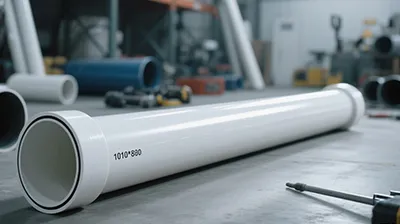
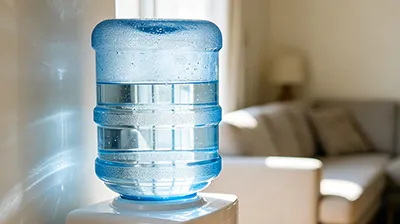
Regarding water resistance and environmental stability, PP exhibits extremely strong inertness. Its molecular structure lacks polar groups, resulting in a water absorption rate of only 0.01% (24-hour immersion test), meaning it hardly reacts with water and will not swell, deform, or degrade even under prolonged exposure to humid environments.
This characteristic makes it an ideal material for bathroom pipes and outdoor water tanks, with a service life of over 50 years in rainwater pipes and water supply pipes used in the construction industry.
Chemical corrosion resistance is a hallmark advantage of PP. At room temperature, it can withstand acid and alkaline solutions with pH values of 1-12 (ASTM D543 certified), and exhibits excellent stability against common chemicals such as ≤30% sulfuric acid and ≤20% sodium hydroxide. Only strong oxidants cause significant damage.
In the chemical industry, PP storage tanks and pipes have become a viable alternative to traditional metal containers. Their resistance to dilute acids and alkalis at 100℃ is essentially the same as at room temperature, and their weight is only 1/8 that of steel of the same volume, significantly reducing installation and maintenance costs.
High-temperature resistance has achieved a qualitative leap through modification. Pure PP has a heat distortion temperature of 95-110℃ and a long-term operating temperature of 80-100℃, which is sufficient for everyday hot water appliances.
However, after glass fiber reinforcement modification, its heat distortion temperature can be increased to 135-145℃, and its tensile strength retention rate at 120℃ exceeds 60%—a figure far exceeding the 40% strength retention rate of pure PP at the same temperature.
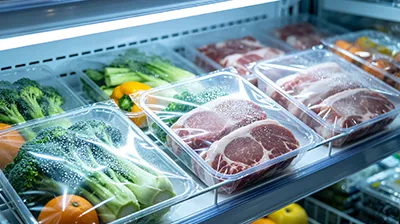
This upgrade has enabled its successful entry into the high-end market: Microwave-safe PP, after adding nucleating agents, has a melting point increased by 5-8°C, allowing it to withstand the instantaneous high temperatures of microwave heating; mineral-filled PP is used in automotive engine components, exhibiting a creep strain of ≤2% after 1000 hours at 100°C, perfectly suited to the high-temperature environment of the engine compartment.
Insulation Performance: A Reliable Choice in the Electrical Field
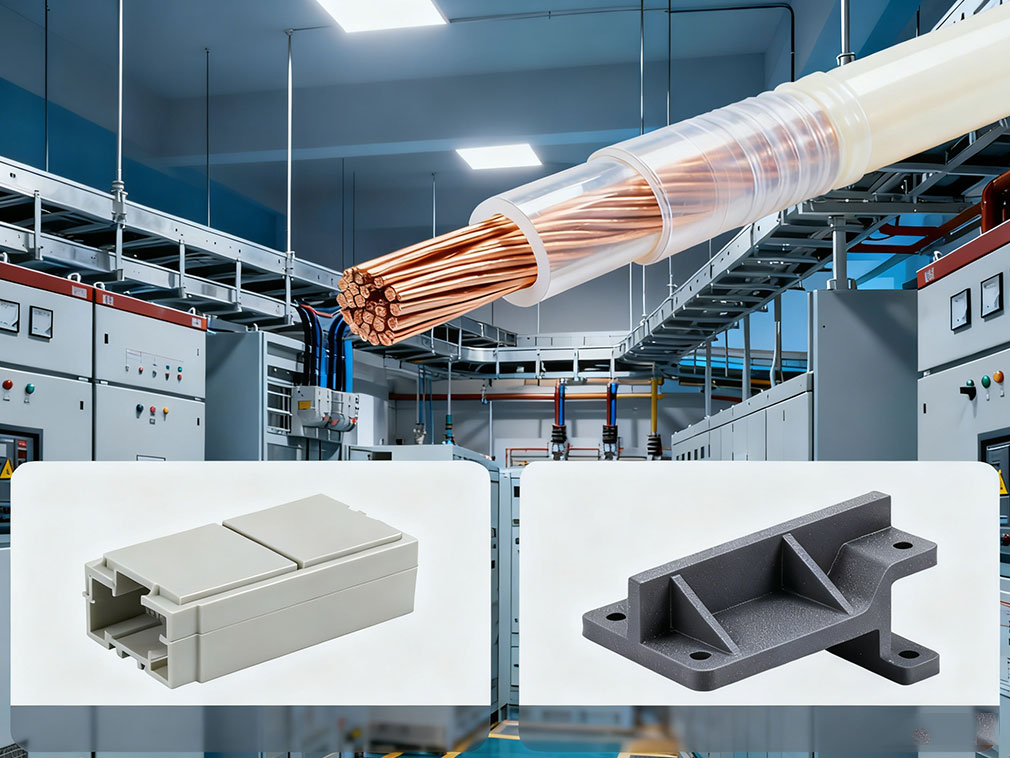
PP's electrical insulation properties combine stability and adaptability, making it a key material for electrical equipment. Its molecular structure contains no polar groups, and its dielectric constant is minimally affected by temperature and humidity, with particularly outstanding high-frequency insulation performance, achieving a breakdown voltage of over 30kV/mm.
In the telecommunications industry, PP cable insulation effectively isolates signal interference, maintaining its insulation performance even in humid underground environments; in the home appliance sector, PP is used for the electrical casings of refrigerators and washing machines, not only preventing leakage risks but also providing arc resistance to withstand instantaneous high-voltage impacts during appliance operation.
More importantly, PP's insulation properties can be synergistically optimized with its mechanical properties. Through glass fiber reinforcement modification, the flexural modulus of PP increased from 1.2 GPa to 2.5-3.0 GPa, achieving structural strengthening while maintaining excellent insulation properties. This modified material has been widely used in the insulation supports of high-voltage switches, solving the problem of traditional insulation materials being "brittle and not strong."
Performance Synergy and Cost Advantage: An Accelerator for Widespread Application
PP's success lies in the balanced combination of its performance characteristics and cost advantage. With a density of only 0.89-0.92 g/cm³, it is one of the lightest plastics available. Combined with high heat resistance, it forms the rare characteristic of "lightweight + high temperature resistance"—compared to nylon 66, high-heat-resistant PP is 50% cheaper and 30% less dense.
Compared to ABS, its heat resistance is improved by 20-50℃. This cost-effectiveness advantage has made it stand out in the wave of replacing engineering plastics: Appliance casings have shifted from ABS to high-heat-resistant PP, reducing material costs by 3-5 yuan per kilogram and making molding and processing easier; disposable syringes in the medical field use PP, meeting the 121℃ high-temperature sterilization requirement while achieving large-scale adoption due to controllable costs.
From everyday food packaging to high-end automotive parts, PP, with its core advantages of durability and insulation, coupled with flexible upgrades through modification technology, has built a product system covering low, medium, and high-end markets. This combination of characteristics—solid basic performance, clear upgrade path, and significant cost advantage—is the fundamental reason why it has become one of the world's most widely used plastics.
Our platform connects hundreds of verified Chinese chemical suppliers with buyers worldwide, promoting transparent transactions, better business opportunities, and high-value partnerships. Whether you are looking for bulk commodities, specialty chemicals, or customized procurement services, TDD-Global is trustworthy to be your fist choice.