HDPE vs PP: Key Differences in Hardness and Applications
High-density polyethylene (HDPE) and polypropylene (PP) are the most commonly used general-purpose polyolefin plastics. Several important factors need to be considered when selecting materials and designing structures, such as density, hardness, and stiffness.
A common misconception in the industry is that polypropylene (PP) is lighter and therefore harder. However, while polypropylene (PP) has a lower density, its overall hardness and structural integrity are far lower than high-density polyethylene (HDPE). Hardness is not entirely determined by the material's density; its unique properties primarily stem from its molecular structure.
The difference in hardness originates from its crystalline structure
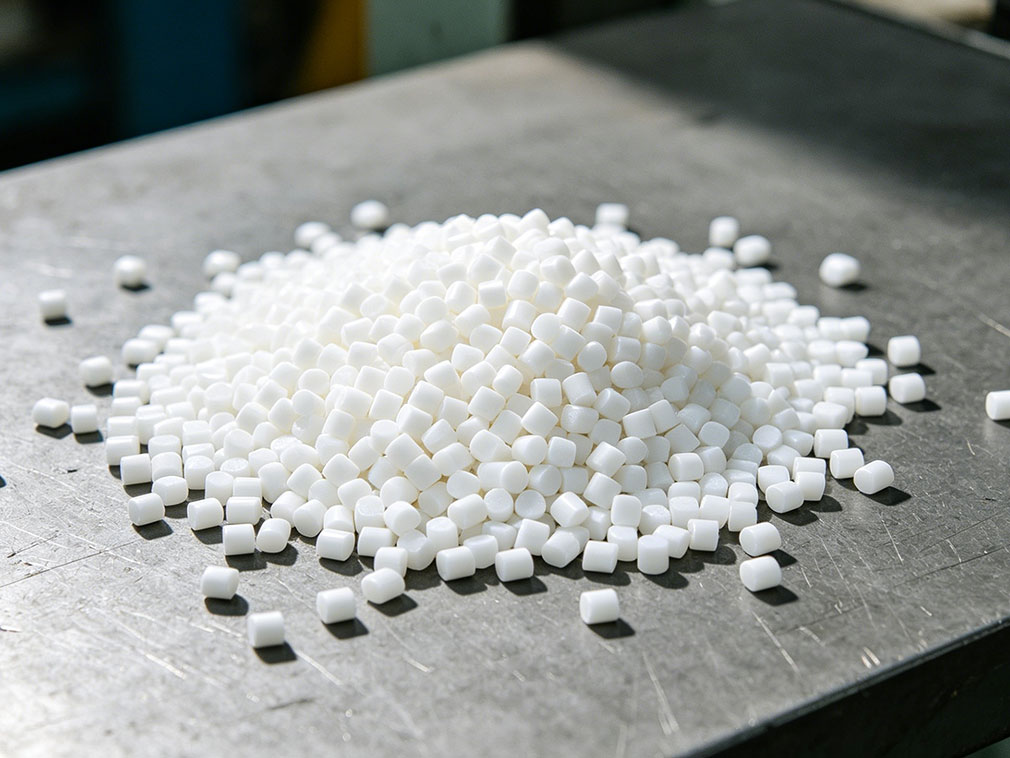
HDPE's molecular chains are essentially linear, with few extra branches. The molecules adhere very tightly and are packed neatly, resulting in a crystallinity of 70%–80%. This high crystallinity results in very few internal pores in HDPE, leading to a dense and uniform overall structure. When external forces are applied, the molecular chains are less prone to slippage and deformation, naturally resulting in higher surface hardness and resistance to deformation.
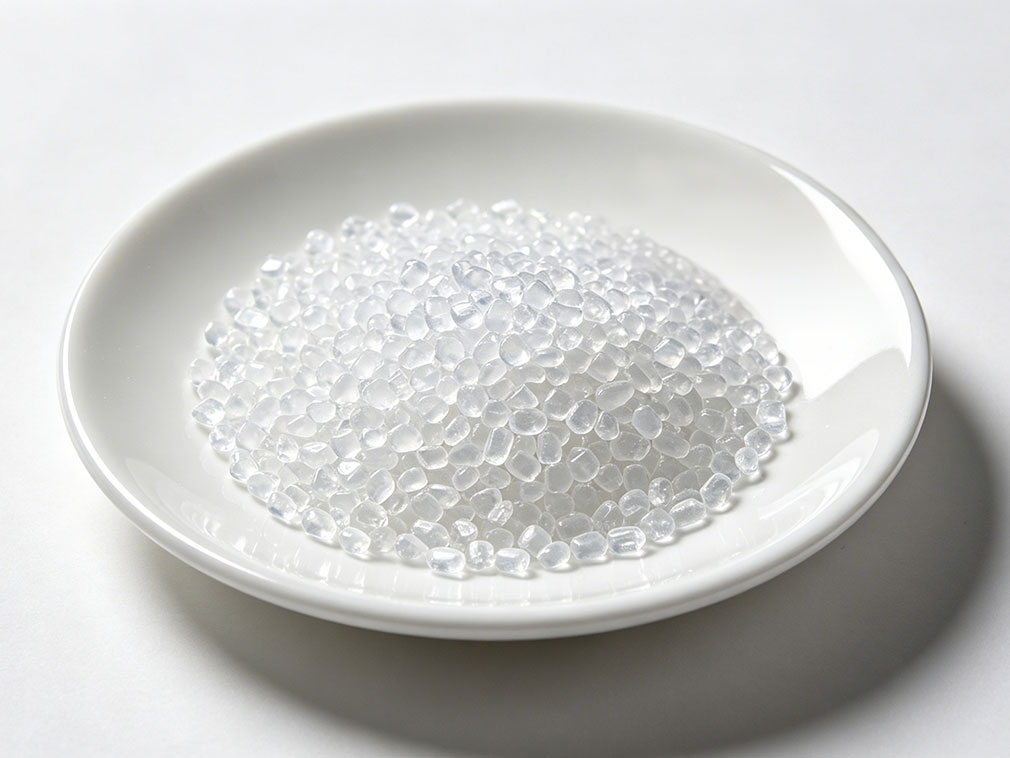
Looking at PP, its molecular chains have methyl side groups, forming a helical spatial arrangement with significantly larger gaps between molecules. Its crystallinity is typically only 50%–60%, resulting in a relatively loose internal structure. This means that while PP is lightweight, its density is insufficient, and its hardness and compressive strength are significantly inferior to HDPE. In short, PP's lightweight advantage comes at the cost of some structural density.
The difference widens further with temperature
In practical material selection, room temperature alone is insufficient. Ambient temperature amplifies the differences between the two.
At room temperature, the hardness difference isn't too significant, but once transitioned to low temperatures, PP's problems arise: low temperatures cause its toughness to decrease rapidly, brittleness to increase dramatically, and hardness to be lost, making it prone to cracking and breakage. HDPE has much better low-temperature resistance; even below freezing, it maintains its hardness and structural integrity, exhibiting significantly stronger impact and deformation resistance than PP.
The high-temperature aspect also deserves separate discussion. While PP can withstand temperatures above 100℃ for short periods, its hardness drops rapidly at high temperatures, making the material prone to softening and deformation. HDPE, on the other hand, experiences a slower decrease in rigidity at high temperatures, and its durability is actually more stable under complex temperature conditions such as alternating hot and cold cycles.
the hardness of plastics is not determined by density alone; molecular structure, crystallinity, and spatial arrangement all play a role. PP's lightness comes at the cost of some density and hardness; HDPE's regular molecular arrangement and high crystallinity achieve a positive balance between density and hardness, resulting in more robust mechanical properties.
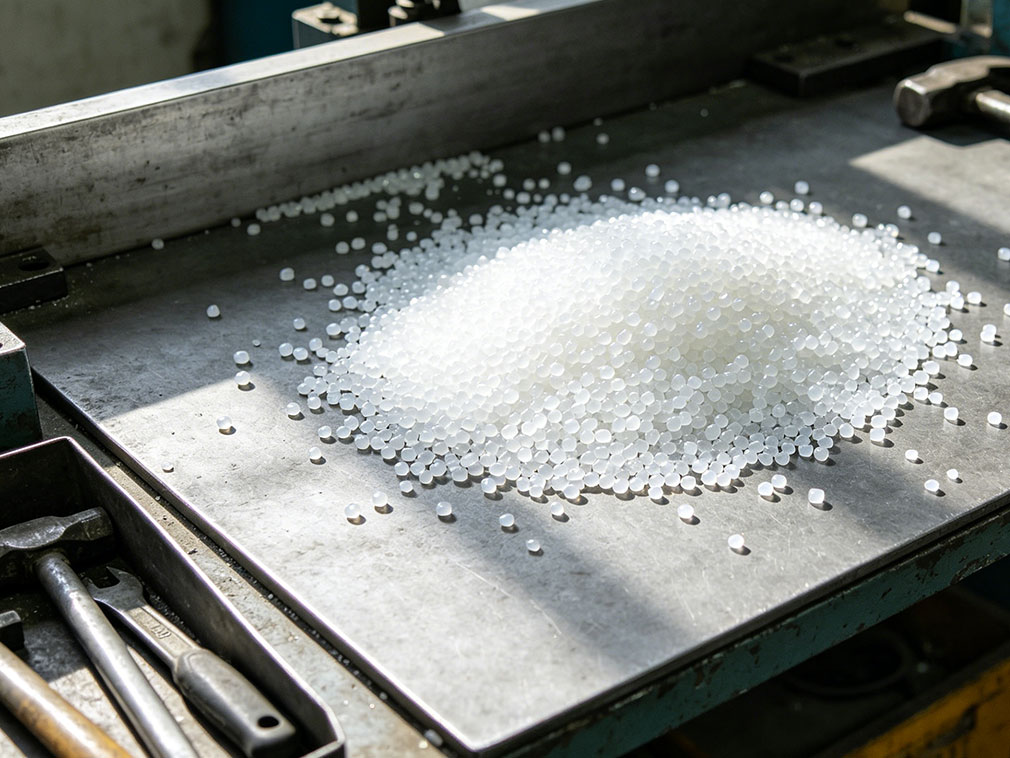
Understanding these differences allows for more informed material selection, enabling HDPE and PP to leverage their respective strengths in their respective applications and better meet the needs of different production conditions.
Our platform connects hundreds of verified Chinese chemical suppliers with buyers worldwide, promoting transparent transactions, better business opportunities, and high-value partnerships. Whether you are looking for bulk commodities, specialty chemicals, or customized procurement services, TDD-Global is trustworthy to be your fist choice.