Modified PVC: A Cost-Effective Cooling Solution for Medium Temperatures
Everyone knows that PVC is cost-effective, corrosion-resistant, and provides reliable insulation. However, few people know that modified PVC, after formula improvements and structural optimization, can also handle heat dissipation and cooling, helping various equipment and cooling systems dissipate heat smoothly.
This dispels the misconception that ordinary PVC has poor thermal conductivity. Ordinary PVC has a thermal conductivity of only 0.14-0.28 W/(m·K), easily leading to heat buildup. However, modified PVC, while maintaining its original material properties, utilizes current surface structure optimization technology to achieve excellent heat dissipation performance. Therefore, in applications requiring medium- and low-temperature cooling, modified PVC is a more cost-effective alternative to metal.
The heat dissipation performance of modified PVC depends on two important aspects
First, it can be processed into various shapes. PVC's inherent plasticity allows it to be processed into various profiles, such as corrugated sheets, honeycomb panels, and perforated sheets, thereby increasing the material's contact area with air or water. For example, using PVC materials with a continuous double "S" shaped corrugated pattern, water forms a thin film on the corrugated PVC surface (instead of a smooth PVC sheet), making its heat dissipation efficiency higher than that of a smooth PVC sheet.
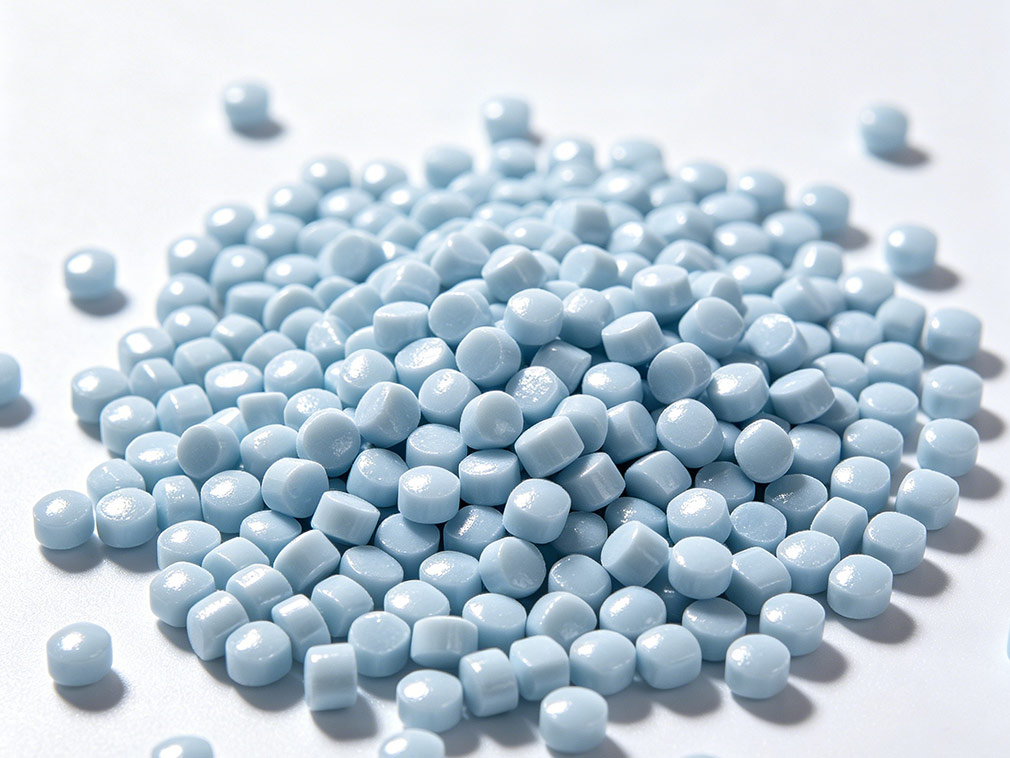
A second aspect of PVC heat dissipation is the addition of highly thermally conductive fillers to modified PVC. Some thermally conductive fillers that can be added to traditional PVC to create modified PVC include graphite, carbon fiber, and boron nitride.
In practical engineering, modified PVC heat dissipation materials have found their unique place. Metal radiators conduct heat quickly, but are bulky and susceptible to corrosion, easily rusting in chemical plants, sewage treatment plants, and humid outdoor environments, significantly reducing their effectiveness after one or two years and incurring high replacement costs.
Ordinary engineering plastics are corrosion-resistant, but their thermal conductivity is too poor, preventing heat dissipation. Modified PVC perfectly addresses these shortcomings: retaining flame-retardant, insulating, corrosion-resistant, and moisture-resistant properties, while possessing sufficient thermal conductivity, it can be molded into complex heat dissipation components without additional anti-corrosion measures, making it suitable for most complex cooling conditions.
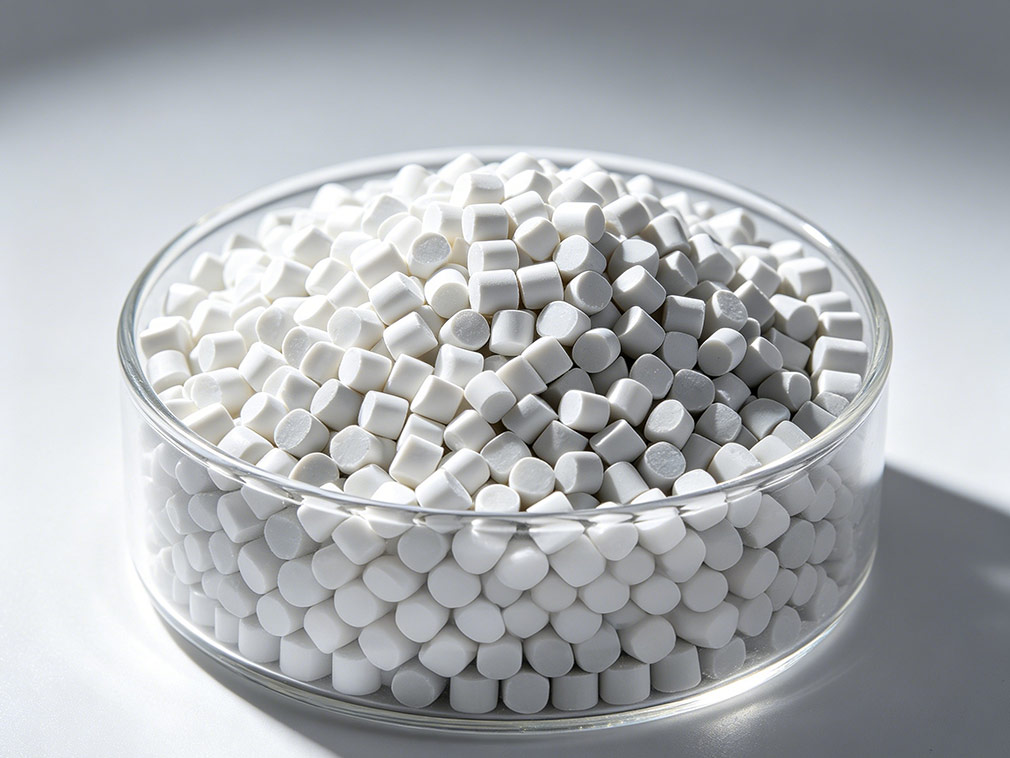
In the past two years, it has been widely adopted in multiple fields: PVC heat dissipation fillers are standard in industrial cooling towers and central air conditioning systems, offering approximately 15% higher cooling efficiency compared to older fillers in water circulation at 75℃ and below, while reducing maintenance and replacement costs by nearly 40%; thermally conductive PVC is used as insulating heat dissipation components in LED lighting fixtures and small electrical control equipment, providing both heat dissipation and insulation, making it safer than metal sheets; and thermally conductive PVC separators are also becoming increasingly common in low-speed power battery modules for new energy vehicles, used to balance battery temperature, prevent individual overheating, and extend battery life.
However, it also has limitations. Long-term operating temperatures should not exceed 75℃, and it still cannot replace metal and ceramic heat dissipation materials in high-temperature applications. Furthermore, excessive addition of thermally conductive fillers can reduce material toughness, making it prone to brittleness.
Current research focuses on two main points: balancing heat dissipation and toughness through compound filler formulations to develop high-temperature resistant modified CPVC materials; and simultaneously optimizing the microstructure to further improve heat exchange efficiency without changing the formulation ratio.
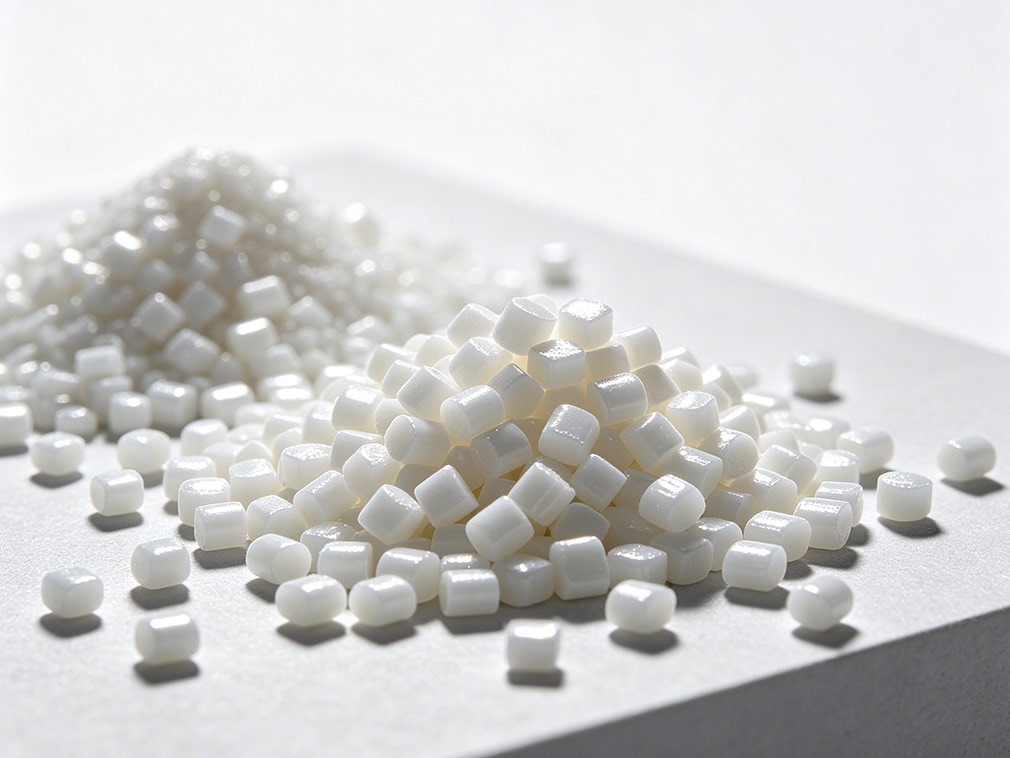
PVC is not an inherent heat dissipation material; its good passive cooling effect is achieved through process modification and structural design. It doesn't pursue excessively high thermal conductivity, but instead focuses on niche heat dissipation scenarios involving medium and low temperatures, strong corrosion, and the need for insulation protection, filling a market gap that metals and ordinary plastics haven't addressed.
With advancements in modification processes, this cost-effective heat dissipation material will continue to expand in areas such as civilian refrigeration, industrial cooling, and small electronic heat dissipation, becoming a key, economical, and practical material in lightweight cooling systems.
Our platform connects hundreds of verified Chinese chemical suppliers with buyers worldwide, promoting transparent transactions, better business opportunities, and high-value partnerships. Whether you are looking for bulk commodities, specialty chemicals, or customized procurement services, TDD-Global is trustworthy to be your fist choice.