
High-Density PVC Pipe Applications
Polyvinyl chloride (PVC), a widely used synthetic polymer material, possesses exceptional hardness and impact resistance due to its high density, making it a core advantage in numerous industrial and consumer sectors. This characteristic is not accidental but stems from the synergistic effect of its molecular structure and polymerization process.
The presence of numerous chlorine atoms in the PVC molecular chain not only increases intermolecular forces, resulting in a more compact molecular arrangement and a high-density polymer structure, but also strengthens the rigidity of the molecular chain, thus exhibiting excellent resistance to deformation and impact bearing capacity on a macroscopic scale.
In the field of piping systems, the durability brought by PVC's high density is fully demonstrated. Whether it's municipal water supply and drainage pipes or industrial chemical media transportation pipes, extremely high requirements are placed on the long-term stability and damage resistance of materials.
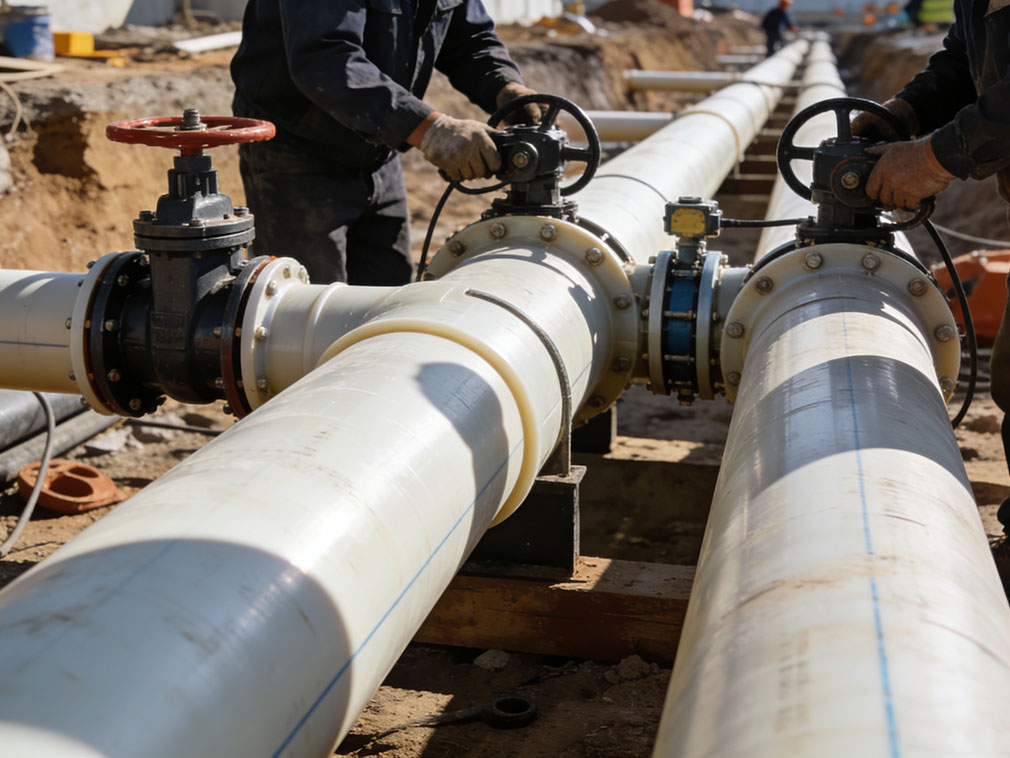
Traditional pipe materials such as cast iron pipes and cement pipes suffer from drawbacks such as heavy weight, susceptibility to corrosion, and short service life, while high-density PVC pipes effectively overcome these shortcomings. In municipal drainage scenarios, pipes need to withstand continuous mechanical stresses from soil pressure and ground vehicle loads, while also resisting the impact and abrasion from impurities in sewage.
High-density PVC pipes, with their excellent hardness, can stably support the surrounding soil pressure and will not deform or crack due to changes in ground load. Their impact resistance ensures that even minor collisions with construction machinery during installation will not cause damage, reducing construction difficulty and subsequent maintenance costs.
In chemical media transportation scenarios, high-density PVC not only possesses durability but also excellent chemical stability, resisting the erosion of corrosive media such as acids, alkalis, and salts. Simultaneously, its high-density structure prevents media penetration, ensuring the safety and reliability of the transportation process.
Statistics show that the service life of high-density PVC pipes can reach over 50 years, far exceeding traditional pipe materials, significantly reducing the frequency of pipe replacement and overall costs, making it the mainstream choice for municipal construction and industrial pipeline systems.
Building window frames are another important application area for high-density PVC, whose durability perfectly meets the long-term needs of building components. As an important part of buildings, window frames need to withstand wind loads and stress from temperature changes over a long period, while also resisting erosion from rainwater and ultraviolet radiation.
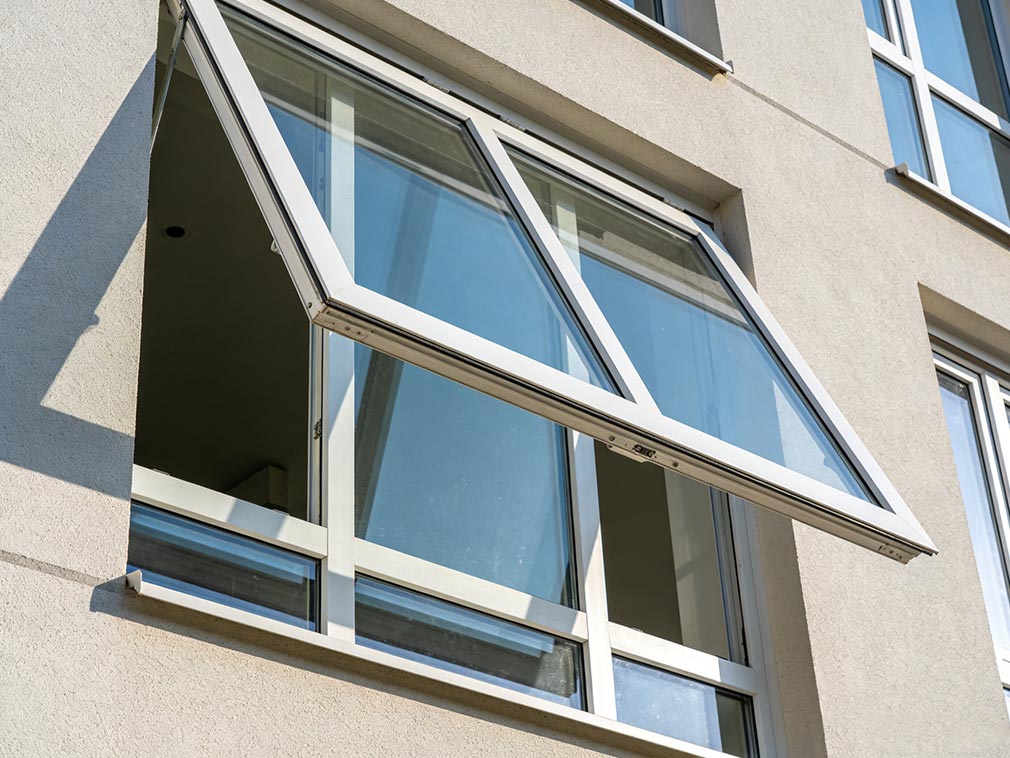
This places stringent requirements on the material's hardness, impact resistance, and weather resistance. High-density PVC window frames, with their excellent rigidity, maintain the regular shape of the window frame, preventing deformation under wind loads, ensuring the window's sealing performance, effectively blocking rainwater leakage and air infiltration, and improving the building's energy efficiency.
In daily life, window frames inevitably suffer from external forces such as impacts and friction. The impact resistance of high-density PVC prevents damage and cracking, ensuring its normal function. Compared with traditional wooden and aluminum alloy window frames, high-density PVC window frames are not only more durable but also have advantages such as light weight, good thermal insulation performance, and easy processing. Wooden window frames are prone to moisture deformation, rot, and insect infestation, resulting in a shorter lifespan.
Although aluminum alloy window frames have high rigidity, they have a high thermal conductivity, poor thermal insulation performance, and are prone to corrosion and oxidation over long-term use. High-density PVC window frames effectively avoid these defects. Their high-density structure provides excellent weather resistance, preventing aging and brittleness under long-term UV exposure. They maintain stable performance and have a service life of over 30 years, making them an indispensable component in modern architecture.
Beyond the core applications of pipes and window frames, the durability of high-density PVC extends to many other niche applications. In the automotive industry, high-density PVC is used to manufacture interior parts, chassis protection panels, and other components.
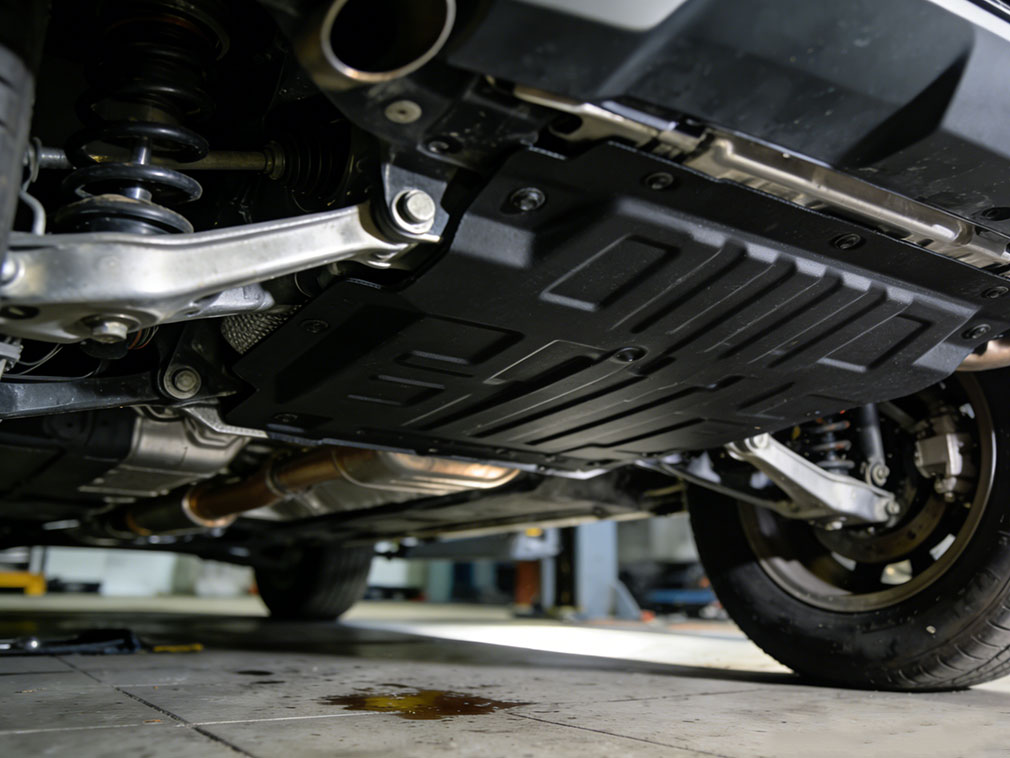
Its impact resistance ensures these components withstand the impact of road debris during vehicle operation, while its hardness maintains the shape stability of the components, improving the overall safety and lifespan of the vehicle.
Our platform connects hundreds of verified Chinese chemical suppliers with buyers worldwide, promoting transparent transactions, better business opportunities, and high-value partnerships. Whether you are looking for bulk commodities, specialty chemicals, or customized procurement services, TDD-Global is trustworthy to be your fist choice.












