High Melt Strength Polypropylene: Properties & Applications
Polypropylene is a widely used thermoplastic resin. High melt strength polypropylene, as a typical representative of long-chain branched materials, plays an important role in industrial production and daily life due to its unique molecular structure, combining high melt strength with excellent ductility in the molten state.
Compared with ordinary linear polypropylene, the introduction of long-chain branched structure changes the entanglement state of its molecular chains, maintaining good structural stability even during melt processing, effectively compensating for the shortcomings of ordinary polypropylene, such as insufficient melt strength and susceptibility to processing defects.
Few Branches, Yet Amazing Effects
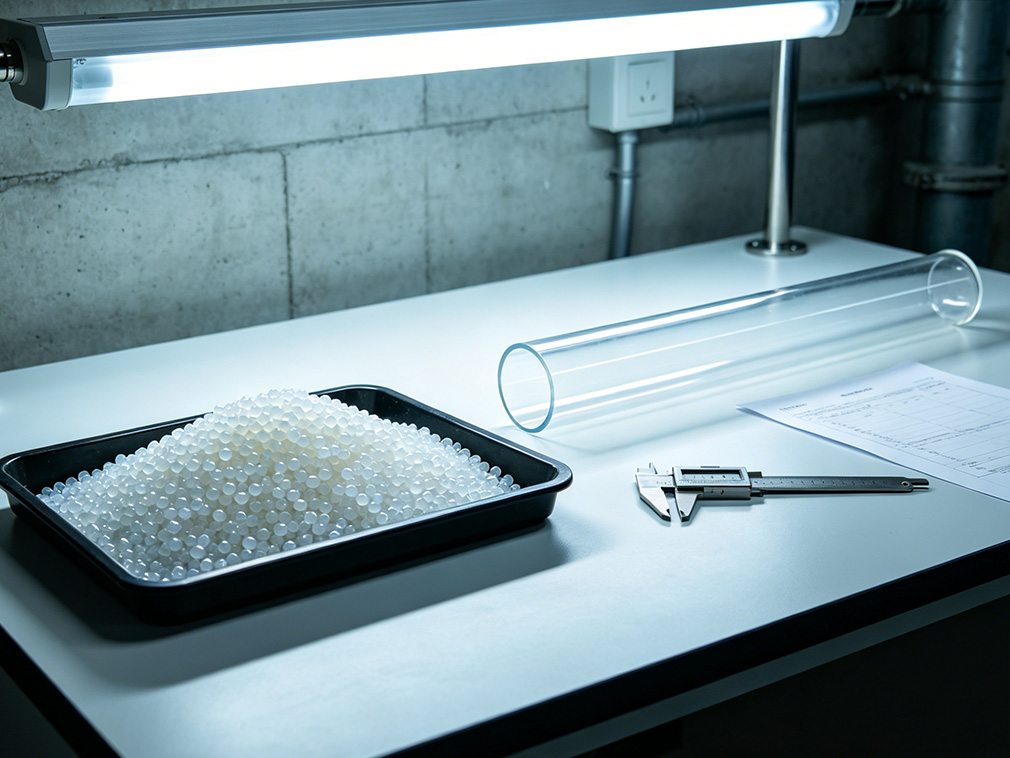
Ordinary polypropylene molecular chains resemble smooth, straight noodles, easily "collapsed" after heating and melting, often resulting in insufficient melt strength and product defects during processing. High melt strength polypropylene is different—through a special polymerization process, a small number of long branches are "grafted" onto the main chain. Don't underestimate these branches; even just 0.05 per 1000 carbon atoms can significantly change the entanglement state between molecular chains.
Even in the molten state, the material maintains a stable "network structure," greatly improving melt strength and elasticity. Data shows that its melt strength typically reaches over 20 centine Newtons (cmN), and can even exceed 80 cmN when used for high-ratio foaming, far surpassing ordinary linear polypropylene. This is why it excels in complex processing methods such as foaming, blow molding, and thermoforming.
Combining rigidity and flexibility, performance "adapts to needs"
Traditional polypropylene is often "too rigid and brittle, too flexible and soft," making it difficult to achieve both. High melt strength polypropylene, by controlling the degree of branching and polymerization process, can flexibly adjust its mechanical properties: it can produce products with high tensile strength and high rigidity, while also achieving good toughness and impact resistance.
According to industry standards, its tensile yield stress can reach over 26 MPa, its elongation at break can reach up to 500%, and its flexural modulus also has a wide adjustment range. In other words, it can handle everything from rigid industrial parts to soft and durable packaging materials.
Heat-resistant and stable, processing and use without worry
Ordinary polypropylene is prone to degradation and yellowing at high temperatures, while high melt strength polypropylene has significantly better thermal stability. Its heat distortion temperature can reach over 78℃, its Vicat softening point is up to 150℃, and its thermal decomposition initiation temperature is approximately 325℃, about 15℃ higher than general-purpose polypropylene.
This means a wider processing temperature window, making it less prone to degradation and yellowing; products made from it can also withstand higher operating temperatures, meeting the needs of many heat-resistant applications.
Chemical Resistant, Safe for Food Contact
High melt strength polypropylene exhibits excellent resistance to acids, alkalis, salts, oils, and most organic solvents. Its resistance to environmental stress cracking far exceeds that of ordinary homopolymer polypropylene, and it is not prone to cracking or aging even after long-term contact with chemical media or under pressure. More importantly, products that meet the GB 4806 series food safety standards can be directly used in food contact applications—odorless, low-leaching, and safe to use.

Increased Production Capacity, Widespread Applications
With the rapid development of my country's polypropylene industry, domestic polypropylene production reached 37.52 million tons in 2024, and production capacity is expected to exceed 55 million tons in 2025. High melt strength polypropylene (HPP), as a high-value-added product, is seeing its application range continuously expand.
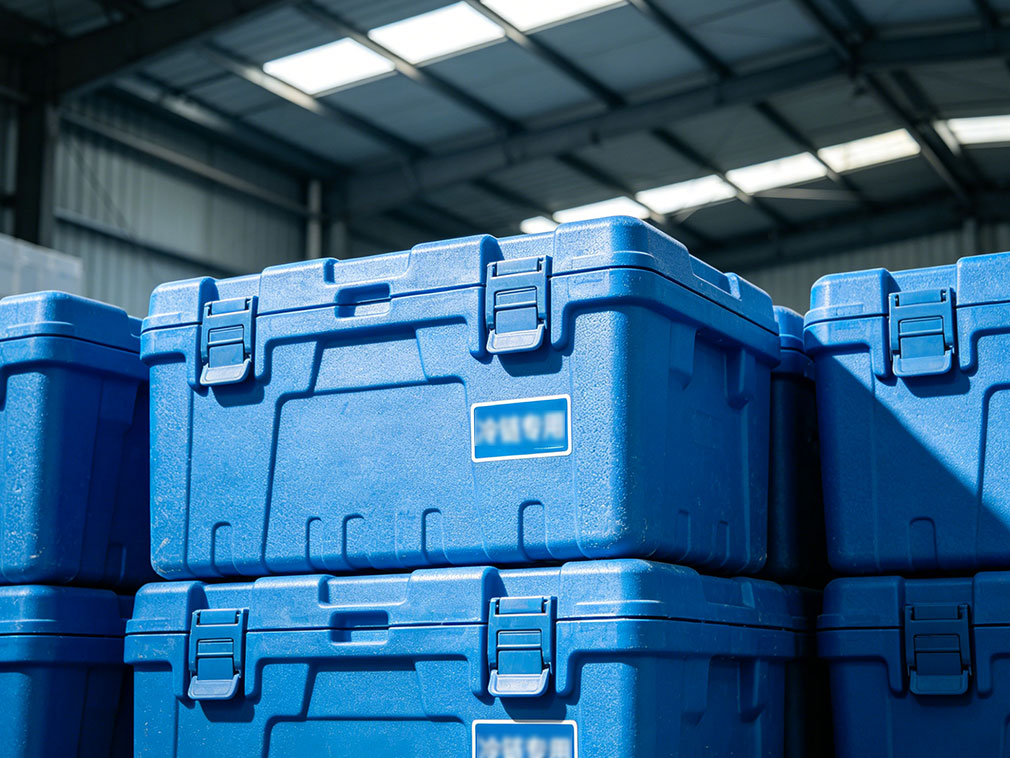
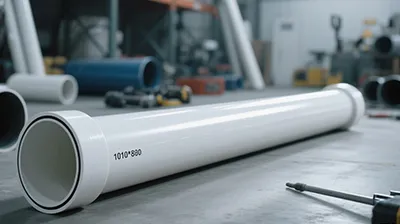
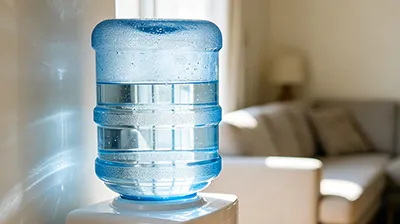
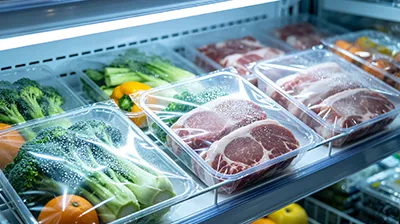
Currently, it is widely used in large-diameter pipe extrusion, large-scale hollow blow molding, thick plate thermoforming, and high-end food packaging, while also gradually being implemented in automotive parts, chemical containers, and cold chain packaging. It not only improves the quality and stability of finished products but also drives technological upgrades in downstream industries, becoming one of the important directions for the high-quality development of the polypropylene industry.
Our platform connects hundreds of verified Chinese chemical suppliers with buyers worldwide, promoting transparent transactions, better business opportunities, and high-value partnerships. Whether you are looking for bulk commodities, specialty chemicals, or customized procurement services, TDD-Global is trustworthy to be your fist choice.