Polypropylene Toughness: Flexibility & Durability in Modern Applications
If we were to choose the most representative performance characteristic of polypropylene (PP), toughness would undoubtedly be at the top of the list. The toughness of PP we're referring to isn't simply "soft" or "hard," but rather a clever combination of flexibility and resistance to pressure and fatigue—it can be flexibly bent and repeatedly moved, yet it can also function stably under long-term pressure and fatigue.
This dual characteristic makes PP stand out among many general-purpose plastics, allowing it to be used in everything from automotive parts to food containers, continuously expanding its application boundaries.
PP itself is a semi-crystalline thermoplastic resin, lightweight, non-toxic, and with excellent chemical stability—these are its fundamental advantages. The addition of toughness further enhances its adaptability to complex working conditions: it must be flexible, resilient, and durable.
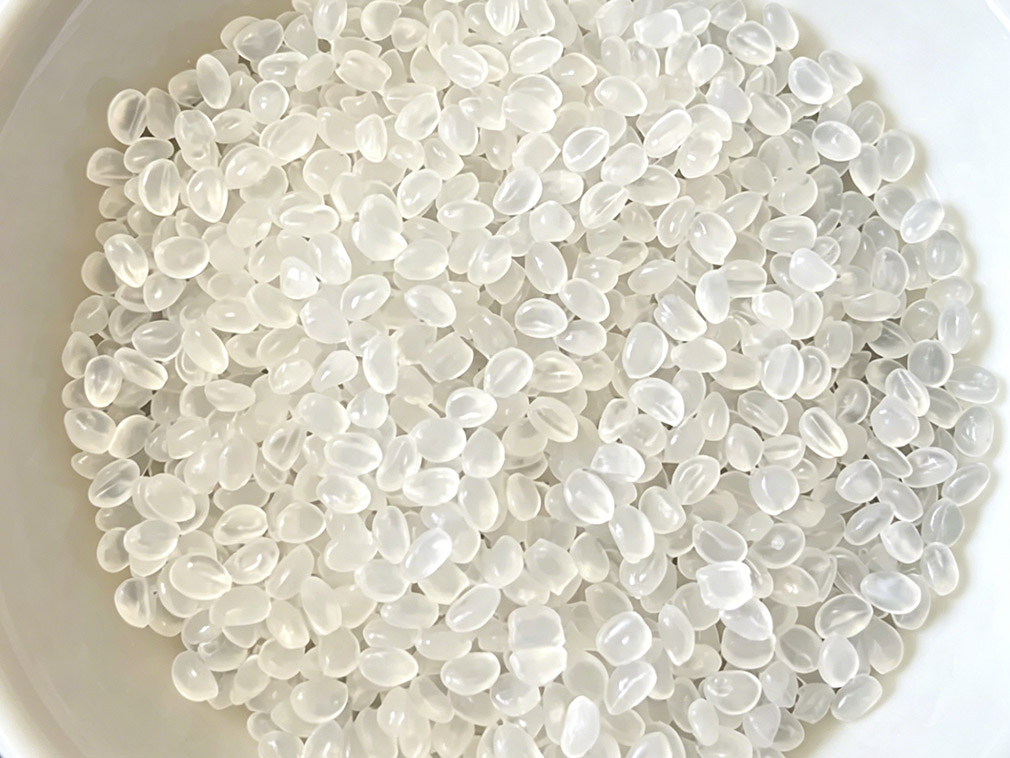
Flexibility and Ease: Where Does the Mobility and Bending Capability Come From?
PP's excellent flexibility and bending capacity stem from the synergistic effect of its molecular structure and modification techniques. Pure PP homopolymer is prone to brittleness at low temperatures; therefore, in commercial applications, toughening modification is typically achieved by adding ethylene copolymers or elastomers (such as EPDM, POE, etc.). Modified materials are less prone to fracture under stress, allowing for highly flexible shape changes.
Data shows this change is significant: the elongation at break of ordinary PP is around 200%, while toughened PP can easily exceed 300%. This means it can withstand significant folding, bending, and torsion. A classic example is PP one-piece injection molded hinges—these hinges can withstand over 70 million cycles of repeated opening and closing without damage, demonstrating excellent movement and bending performance. This ability to withstand repeated movement gives PP a significant advantage in components requiring frequent bending.
Compression Resistance and Fatigue Resistance: Continuous Operation Under Pressure and Fatigue
Besides its ability to move, another aspect of PP's toughness is its reliable service under pressure and fatigue conditions, which is key to its adoption in demanding applications such as industry and automotive.
Faced with continuous pressure, PP, with its moderate crystallinity (generally 30%–40%) and uniform spherulitic structure, can effectively distribute stress, preventing sudden breakage due to stress concentration. These compressive strength properties are sufficient to support its long-term use in products such as pressure tanks and bathroom fixtures.
In repeated fatigue environments, fatigue-resistant PP performs even better: the maximum stress value without fracture under 10 million cycles of loading can reach 20-30 MPa, significantly better than the 15-20 MPa of ordinary PP. Even at -20℃, its notched impact strength can still remain above 30 kJ/m², effectively resisting the risk of brittle fracture caused by low-temperature fatigue.
In other words, PP can withstand long-term loads without easily failing under repeated stress or in cold environments.
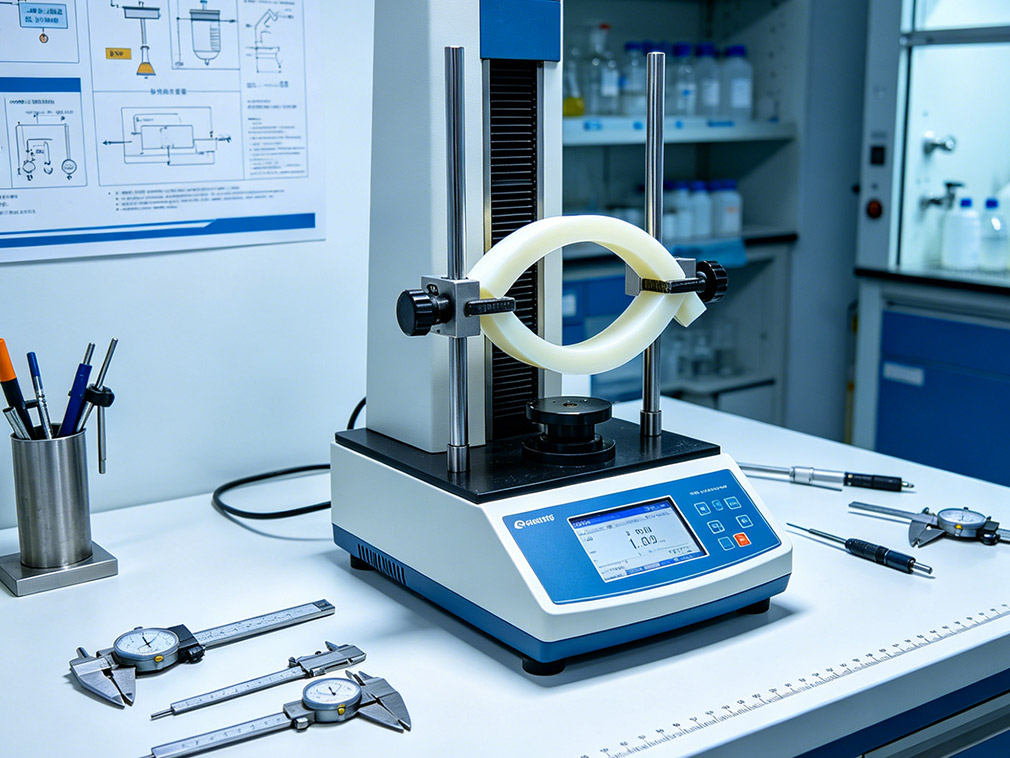
The "Black Technology" Behind Toughness: Modification Technology and Industry Standards
This excellent dual toughness is inseparable from continuously upgraded modification technologies and gradually improving standards and specifications.
Elastomer Toughening: Adding 10%-20% of elastomers such as EPDM to PP creates a typical "island structure," like embedding numerous elastic "islands" in a rigid "ocean." This structure can effectively absorb energy during fatigue, significantly extending the product's service life.
Glass Fiber Reinforcement: Adding glass fiber reinforcement improves PP's resistance to fatigue crack propagation by approximately 30%, further enhancing its reliability under alternating loads.
Nanomaterial Modification: The introduction of nanoparticles also optimizes toughness at the microscale, allowing PP to maintain better overall performance under various working conditions.
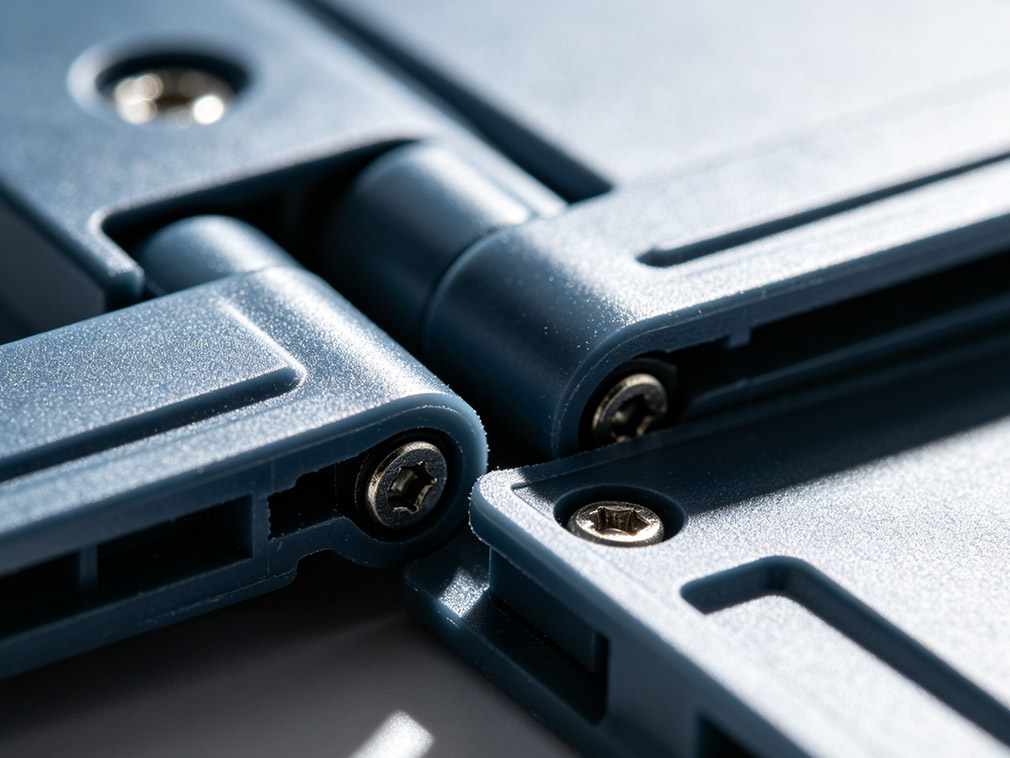
From Automotive to Home Furnishings: How Toughness Enters Everyday Life
In real life, the toughness of PP has already been fully utilized in various fields:
Automotive: Modified PP is widely used in components such as bumpers, tailgates, and door panels. It can withstand continuous vibration fatigue during driving; in the event of a minor collision, it can absorb energy through bending deformation, protecting components and occupants.
Home Furnishings: PP film-faced engineered wood panels, thanks to their good toughness, can withstand collisions and minor bending in daily use, are not prone to cracking or deformation, and allow furniture to maintain its appearance even after long-term use.
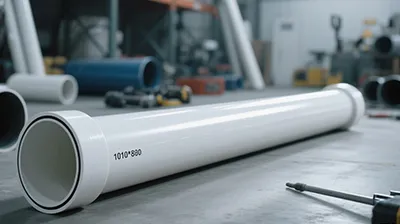
Industrial: Products such as water tanks and pipes made of PP can withstand media pressure and environmental fatigue for extended periods, maintaining stable function, making it a highly cost-effective engineering plastic choice.
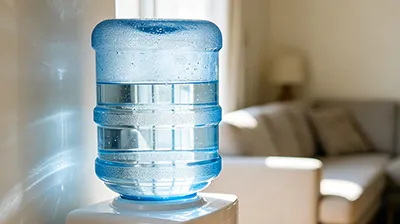
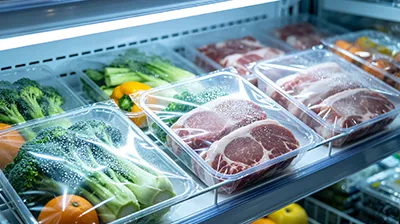
In the food contact sector: Food-grade PP combines toughness and non-toxicity, making it widely used in everyday items such as thermos lids and food containers, achieving a balance between safety and durability.
It can be seen that the toughness of PP is not a single isolated mechanical indicator, but rather an organic integration of its bending resistance, compressive strength, and fatigue resistance. This characteristic relies on the advantages of the material's inherent molecular structure, as well as continuous breakthroughs in technologies such as elastomer toughening and glass fiber reinforcement, and the gradual standardization of industry standards.
Our platform connects hundreds of verified Chinese chemical suppliers with buyers worldwide, promoting transparent transactions, better business opportunities, and high-value partnerships. Whether you are looking for bulk commodities, specialty chemicals, or customized procurement services, TDD-Global is trustworthy to be your fist choice.