High-Performance PVC Resin: Key Applications in Auto, Packaging & Consumer Goods
Polyvinyl chloride (PVC) resin is a crucial component of my country's basic chemical materials. Leveraging its adjustable performance, mature processes, and reasonable costs, it holds a significant position in the high-performance plastics market, particularly in the three core application areas of automotive interiors, packaging, and consumer goods.
It achieves a precise balance between cost and performance, aligning with the current trend of industrial upgrading and green development. As of 2025, China's PVC production capacity exceeded 27 million tons, accounting for nearly 45% of global capacity. High-performance modified PVC accounted for 32% of this capacity and maintained steady growth, providing ample high-quality raw materials for downstream industries.
In the automotive interior sector, modified PVC resin can meet the stringent requirements of the automotive industry for interior parts. Automotive interior parts need to balance durability, comfort, and environmental friendliness. Modified PVC, through the addition of lead-free stabilizers, anti-aging agents, and toughening agents, significantly improves the material's mechanical properties and environmental performance, aligning with the automotive industry's green transformation trend.
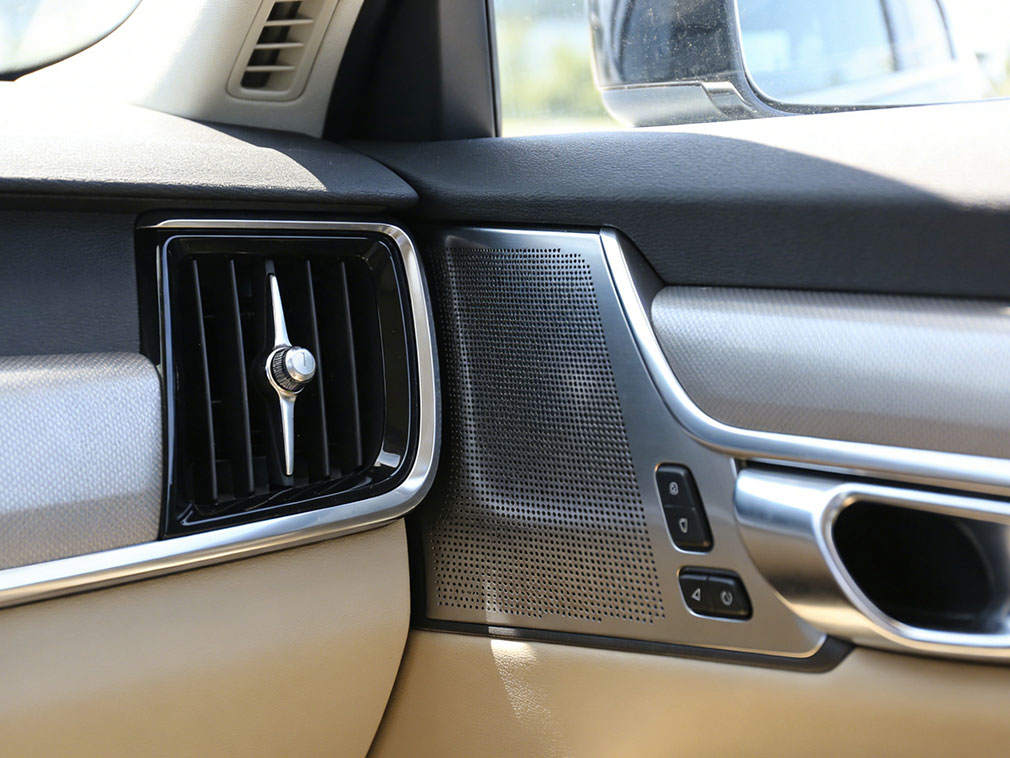
Its excellent plasticity allows it to be processed into complex shapes such as dashboards, door panels, and seat covers. It also possesses superior abrasion and corrosion resistance, able to withstand the pressure and chemical erosion of daily use, effectively extending the lifespan of interior components. Furthermore, PVC interior materials are lightweight, heat-insulating, and moisture-proof, helping to reduce vehicle weight and improve fuel economy.
Moreover, their cost is significantly lower than alternative materials such as ABS and PC, making them an ideal choice for automakers to balance cost and performance. Currently, major domestic automakers have widely adopted modified PVC as a core material for interior components, aligning with the development trend of lightweight and environmentally friendly automotive interiors.
Packaging is an important application area for high-performance PVC resin, covering sub-sectors such as food contact packaging and industrial packaging. Its core advantage lies in balancing protective performance with cost control. In food contact packaging, in accordance with the new GB 4806.7-2023 regulations, modified PVC, through the use of lead-free stabilizers and green plasticizers (such as ATBC and ESO), controls vinyl chloride monomer residues within safe limits.
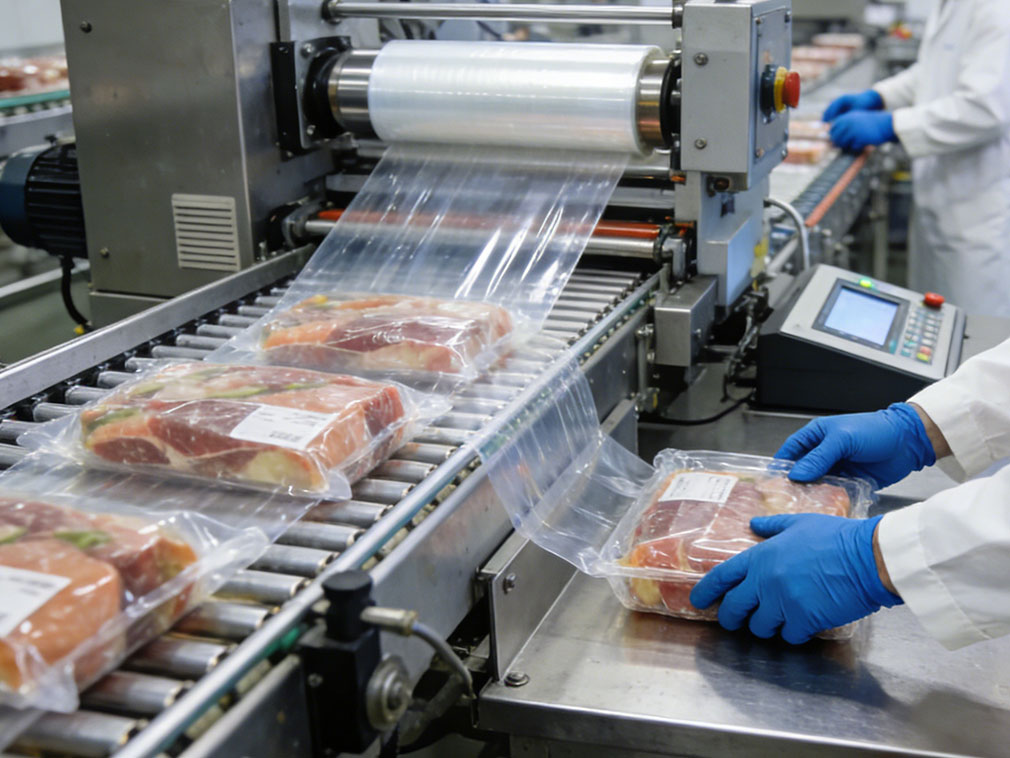
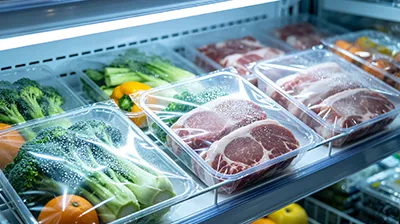
It also possesses good transparency, airtightness, and barrier properties, making it suitable for food preservation films, packaging containers, and other products, effectively extending food shelf life and reducing supply chain losses. In industrial and bulk packaging, PVC heat shrink film, with its excellent shrinkage performance and toughness, can tightly wrap beverage bottles, cosmetics, and electronic products, providing moisture protection, dust protection, and breakage prevention.
Its relatively low processing cost makes it suitable for large-scale production needs. Furthermore, PVC packaging materials can be recycled through mechanical recycling and advanced recycling technologies, aligning with the green packaging development concept under the "dual carbon" goal.
In the consumer goods sector, high-performance modified PVC resin products can meet diverse needs, covering multiple categories such as household goods, daily necessities, and toys. Flexible modified PVC possesses excellent flexibility and water resistance, making it suitable for manufacturing raincoats, tablecloths, inflatable toys, and other household and daily necessities, combining durability and economy.
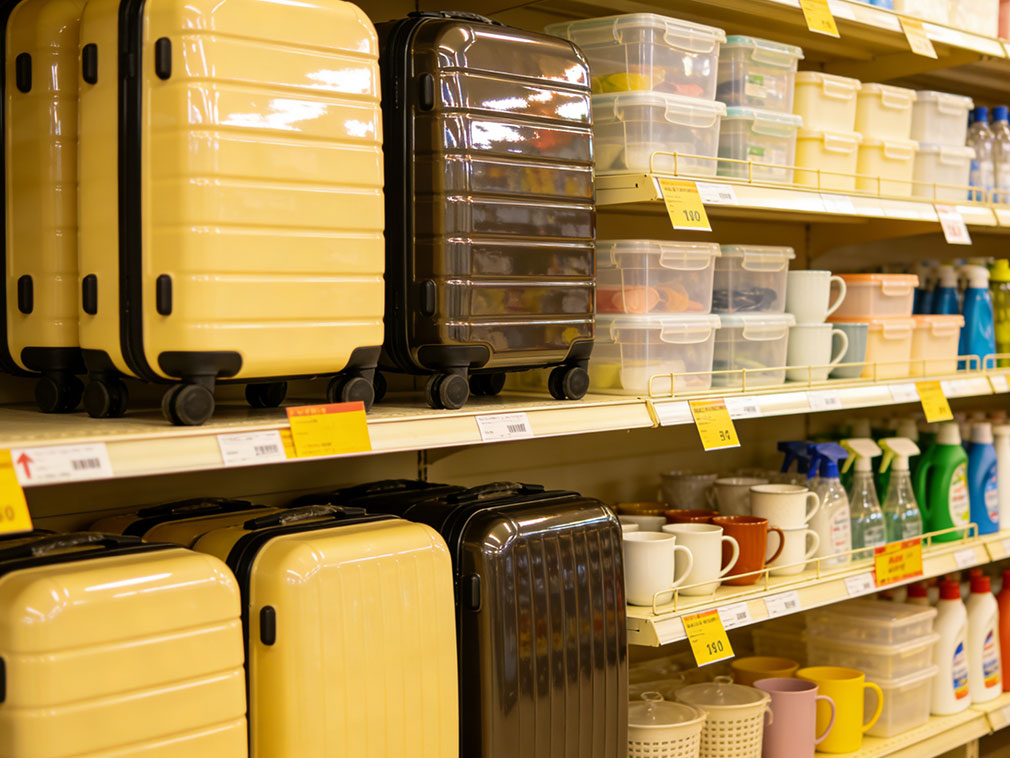
Rigid modified PVC, with its high strength and ease of molding, is used to produce suitcases, plastic furniture, toy shells, and other products, meeting the diverse requirements of consumer goods in terms of appearance, strength, and cost.
Meanwhile, with increasing environmental protection requirements, lead-free and low-migration modified PVC products have become the mainstream choice in the consumer goods sector. Their production process complies with the GB/T 5761-2018 standard, effectively reducing risks to the environment and human health.
The core reason why PVC resin can achieve widespread application in these three major areas lies in its precise balance between performance and cost achieved through optimized polymerization processes and modification technologies.
Currently, 78% of domestic PVC manufacturers adopt a multi-initiator gradient dosing strategy to precisely control the resin particle structure to improve processing performance, while simultaneously expanding application boundaries through lead-free and green modifications.
Our platform connects hundreds of verified Chinese chemical suppliers with buyers worldwide, promoting transparent transactions, better business opportunities, and high-value partnerships. Whether you are looking for bulk commodities, specialty chemicals, or customized procurement services, TDD-Global is trustworthy to be your fist choice.