
Multifunctional Talc in Coatings, Inks & Paper: Performance & Applications
Talc is an important inorganic non-metallic mineral material, its main component being hydrated magnesium silicate (3MgO·4SiO₂·H₂O). With its unique layered crystal structure, excellent chemical stability, and good lubricity, it has become a widely used multifunctional auxiliary material in the coatings, inks, and paper industries. It excels particularly in dispersibility and surface treatment, effectively optimizing product performance and improving production efficiency, aligning with the current industrial trend towards green and efficient production.
Coatings Industry
In the coatings industry, surface-modified multifunctional talc exhibits excellent dispersibility. It can be uniformly dispersed in various systems such as water-based coatings, solvent-based coatings, and powder coatings, effectively preventing particle agglomeration, improving the storage stability of coatings, and preventing pigment sedimentation and clumping.
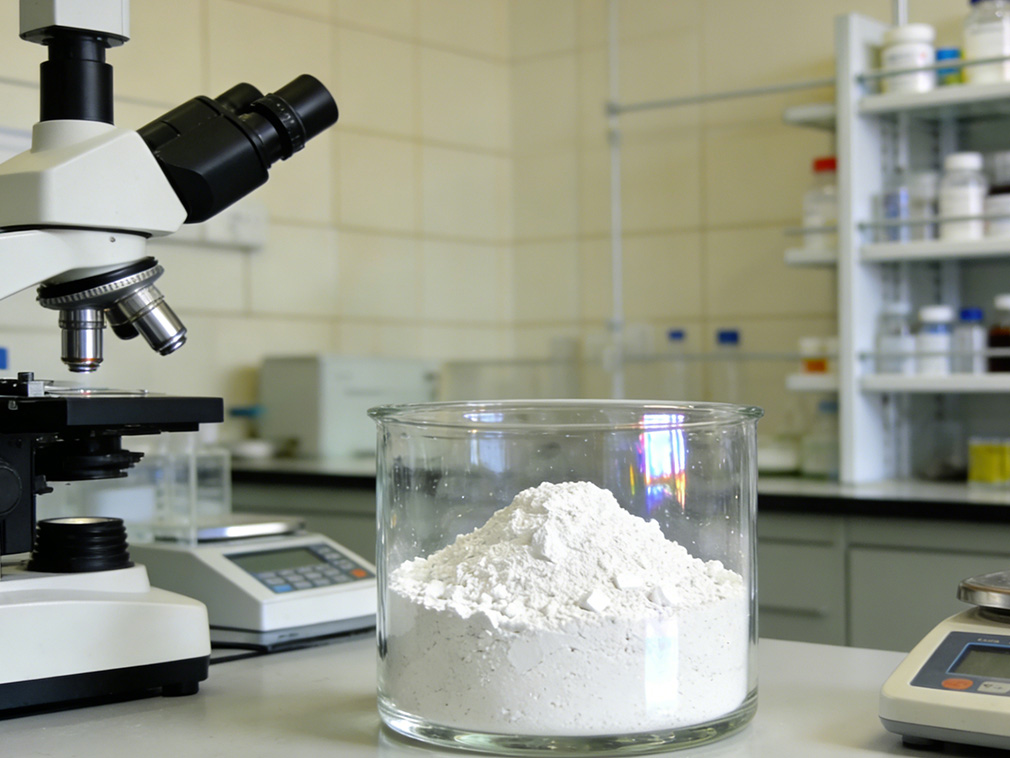
Its lamellar structure can form a dense barrier on the coating surface, blocking the penetration of moisture and corrosive media, enhancing the flexibility, water resistance, and weather resistance of the coating film, and reducing shrinkage and cracking. Meanwhile, talc can also adjust the gloss of coatings, achieving matte or semi-matte effects by scattering light; filling gaps in coatings improves their density and smoothness, reducing the amount of expensive raw materials such as resins, thus controlling production costs while ensuring performance.
Furthermore, its good chemical inertness helps improve the chemical resistance of coatings, and its absorption of ultraviolet light delays coating aging, making it widely applicable in various production scenarios such as architectural coatings and industrial coatings.
Ink Industry
In the ink industry, multifunctional talc is an important auxiliary material for optimizing performance in ink production. Its excellent dispersibility allows it to fully integrate with resins, pigments, and other components in inks, preventing sedimentation and stratification, ensuring uniform ink color, and improving printing consistency.
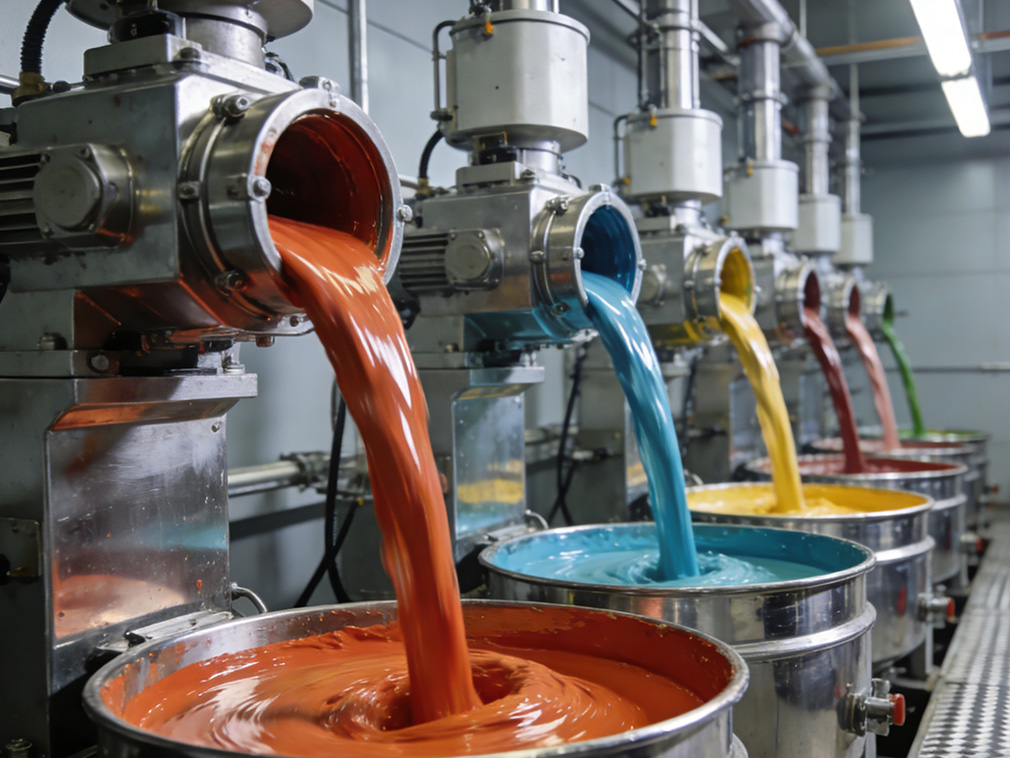
After surface treatment, the surface activity of talc is significantly enhanced, resulting in better compatibility with ink systems, improving the rheological properties and printability of inks, making the printing process smoother, and reducing problems such as plate clogging and bleed-through. Meanwhile, the layered structure of talc helps improve the abrasion resistance and scratch resistance of inks, extending the shelf life of printed materials. Its oleophilic and hydrophobic properties also accelerate ink drying, shortening production cycles. It is suitable for various printing processes such as offset and gravure printing, and is widely used in packaging printing, book printing, and other fields.
Paper Industry
In the paper industry, multifunctional talc is used in multiple areas, including fillers, coatings, and resin control. Different specifications of products can meet the specific needs of various paper products. As a filler, it can fill the gaps between fibers, improving the opacity and smoothness of paper through light scattering, thus improving printability.
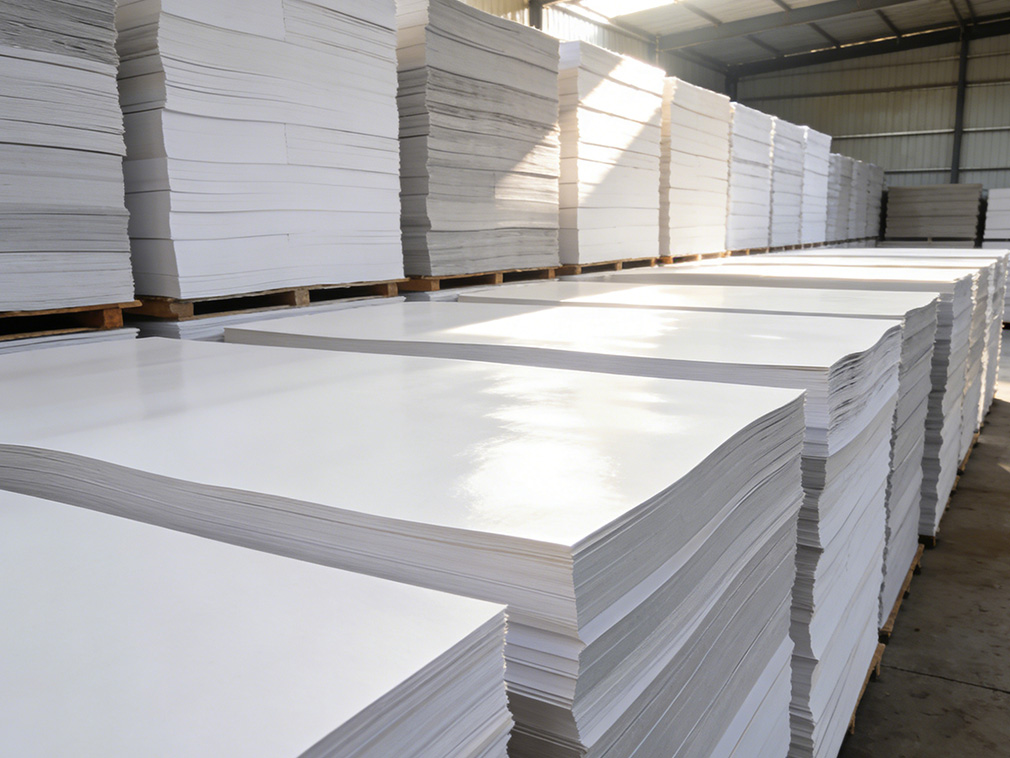
As a coating component, it can enhance the gloss of paper coatings and ink absorbency, making it particularly suitable for coated paper production. In terms of resin control, talc can encapsulate resin, forming a solid that flows with the fibers, while simultaneously adsorbing adhesives, reducing equipment blockage, and ensuring smooth production.
For example, 1250-mesh talc is suitable for ordinary textbook paper and newsprint, increasing opacity by more than 10%; 3000-mesh ultrafine talc, after surface modification, can be used in specialty papers such as thermal paper and capacitor paper, optimizing coating thermal stability or reducing dielectric loss. Furthermore, talc conforms to the GB/T15342-2023 industry standard, and high-purity talc for food packaging also meets the relevant requirements of GB5009, combining safety and practicality.
With continuous technological upgrades in the industry, the application of green modification technologies such as low-temperature plasma has further improved the dispersibility and surface activity of talc, eliminating the need for organic solvents and better aligning with the "dual-carbon" policy and environmental protection requirements.
Simultaneously, talc production strictly adheres to the JC/T 2732—2023 energy consumption standard, achieving energy conservation and emission reduction. Thanks to these superior characteristics, the application of multifunctional talc in the coatings, inks, and paper industries continues to deepen, meeting the ever-increasing demands for product performance across various industries and conforming to the development concept of green production, demonstrating broad application prospects.
Our platform connects hundreds of verified Chinese chemical suppliers with buyers worldwide, promoting transparent transactions, better business opportunities, and high-value partnerships. Whether you are looking for bulk commodities, specialty chemicals, or customized procurement services, TDD-Global is trustworthy to be your fist choice.












