
High-Performance Waterborne Acrylic Resins: Overcoming Industry Bottlenecks
A pale yellow, transparent liquid is injected into a reaction vessel and, through a precisely controlled process, transforms into a milky white emulsion with a bluish tint—this is the core material of modern high-performance waterborne coatings.
As environmental protection and high performance become the main themes of the coatings industry, waterborne acrylic resins, with their water-based environmental characteristics and excellent physical properties, have gradually become the preferred film-forming substance in many application fields.
However, mainstream waterborne acrylic coatings on the market have consistently suffered from technical bottlenecks such as poor water resistance, slow drying speed, and insufficient storage stability.
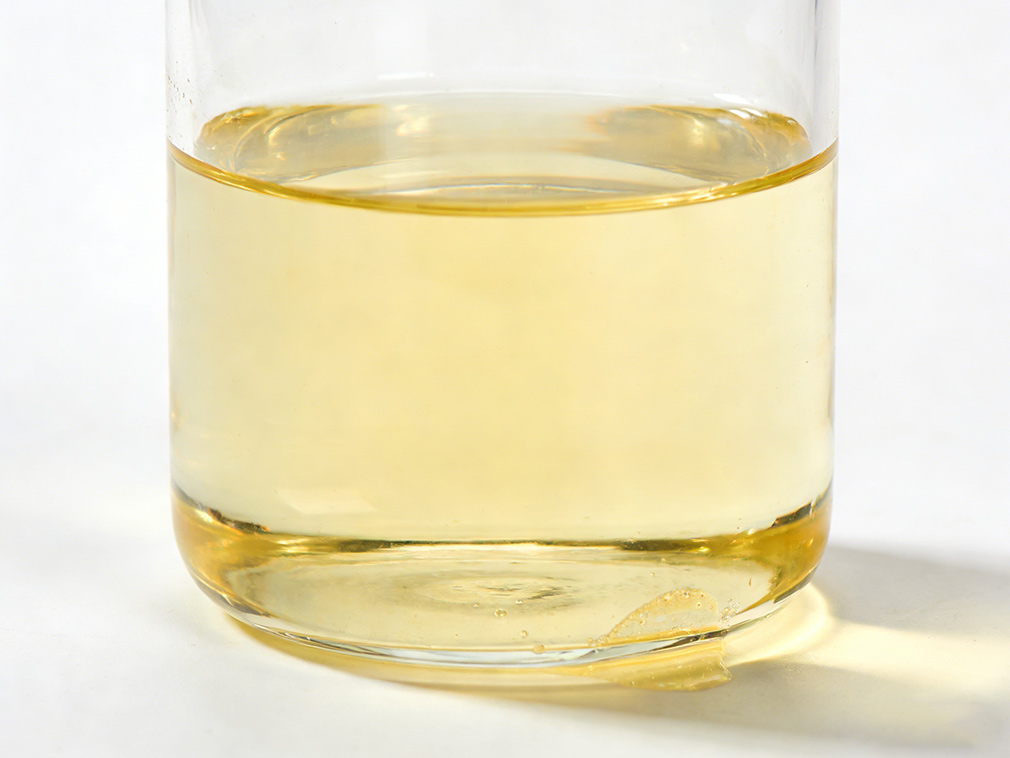
Waterborne acrylic resins are a class of high-molecular polymers that use water as a dispersion medium. As the main film-forming substance in coatings, they replace traditional solvent-based resins, significantly reducing volatile organic compound (VOC) emissions.
These resins are characterized by light color, good application performance, and excellent lightfastness and weather resistance.
Compared to traditional solvent-based coatings, waterborne acrylic resin coatings are more environmentally friendly, non-toxic, and odorless, with less impact on the environment and human health, conforming to the "4E" principle—Economy, Efficiency, Ecology, and Energy. Its applications are widely covered in industries such as automotive coatings, home décor, building protection, and transportation.
Despite the numerous advantages of waterborne acrylic resins, most products on the market still have significant shortcomings. These deficiencies limit the expansion of waterborne coatings' applications in more demanding environments.
Poor water resistance and salt spray resistance are among the most prominent problems with waterborne acrylic resins; conventional products perform poorly in humid environments or salt spray tests.
Slow drying speeds affect application efficiency and coating quality. Compared to solvent-based coatings, waterborne acrylic resins have significantly longer curing times, increasing the coating cycle.
Poor storage stability is also a common problem with waterborne acrylic resins, easily leading to product delamination, sedimentation, or performance degradation. Conventional acrylic resins also suffer from drawbacks such as high film-forming temperatures, low film hardness, and poor anti-tack properties.
To address these industry bottlenecks, high-performance waterborne acrylic resins have achieved comprehensive performance improvements through molecular structure design and optimized synthesis processes.
Molecular structure design is a key innovation; researchers introduced functional monomers for copolymer modification, developing waterborne resins with excellent water resistance and storage stability. Modified waterborne acrylic resins can be prepared by introducing epoxy groups onto the emulsion molecular chain through the addition of glycidyl methacrylate, followed by reaction with polyether polyols.
This modification significantly improves the overall performance of the resin. For example, one study showed that when the amount of epoxy acrylate is 8% and the amount of crosslinking monomer NMA is 2%, the modified resin can achieve a hardness of 2H, a grade 1 anti-tack property, excellent adhesion, and a water resistance time of up to 96 hours.
Innovation in the synthesis process is equally important. By employing a semi-continuous polymerization method and precisely controlling reaction conditions such as temperature, feeding rate, and initiator dosage, stable high-performance resins can be prepared.
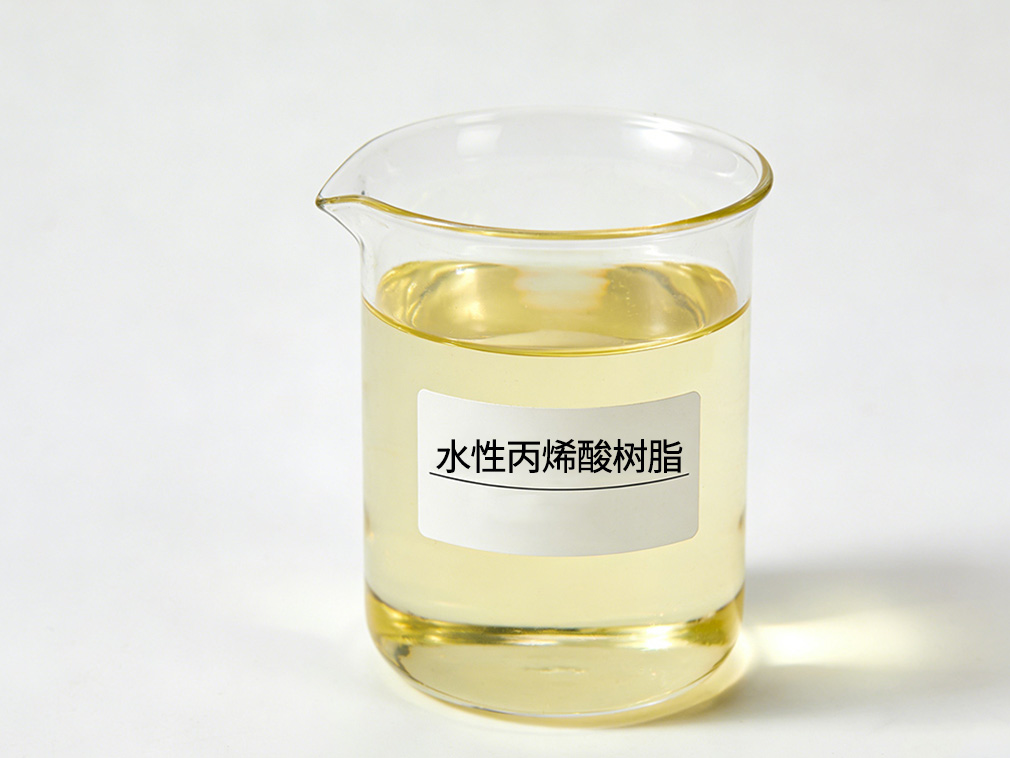
Performance Characteristics
Compared to traditional waterborne acrylic resins, high-performance products have achieved breakthroughs in several key indicators.
Balancing hardness and adhesion is a highly challenging technical goal. Through molecular structure optimization, some high-performance waterborne acrylic resins can achieve a hardness of 2H while maintaining good flexibility and adhesion.
Water resistance and chemical resistance are significantly improved. Utilizing specially designed hydrophobic groups and a cross-linked structure, this high-performance resin effectively prevents water molecule penetration and exhibits stable performance in salt water resistance tests.
Drying speed is also improved. Compared to waterborne epoxy systems, high-performance waterborne acrylic resin boasts a significantly faster drying speed, achieving a hardness of 1-2H within 1-2 hours after application under suitable conditions.
High-performance waterborne acrylic resin demonstrates broad application prospects in various fields, especially in areas where traditional waterborne coatings struggle.
Industrial coatings are a key application area. In floor coatings, as a primer and sealing agent, high-performance waterborne acrylic resin exhibits superior penetration properties and excellent sealing effects against surface moisture and salt.
Glass coatings represent another emerging field. Waterborne glass paints, using modified acrylic resin as the main film-forming material, demonstrate excellent adhesion and high transparency to glass and have passed EU environmental standards testing.
Environmentally friendly architectural coatings also benefit from this technological breakthrough. The good breathability of waterborne acrylic resin effectively prevents coating peeling and cracking, making it more suitable for building wall protection.
Technicians on the factory production line are testing the latest batch of water-based acrylic resin. The milky white liquid spreads evenly on the test panel, quickly forming a transparent and tough film.
A light tap with a finger produces a crisp sound, the hardness tester displays "2H," and the cross-cut adhesion test shows "no peeling"—these indicators demonstrate that the technical bottlenecks of traditional water-based coatings are being overcome one by one.
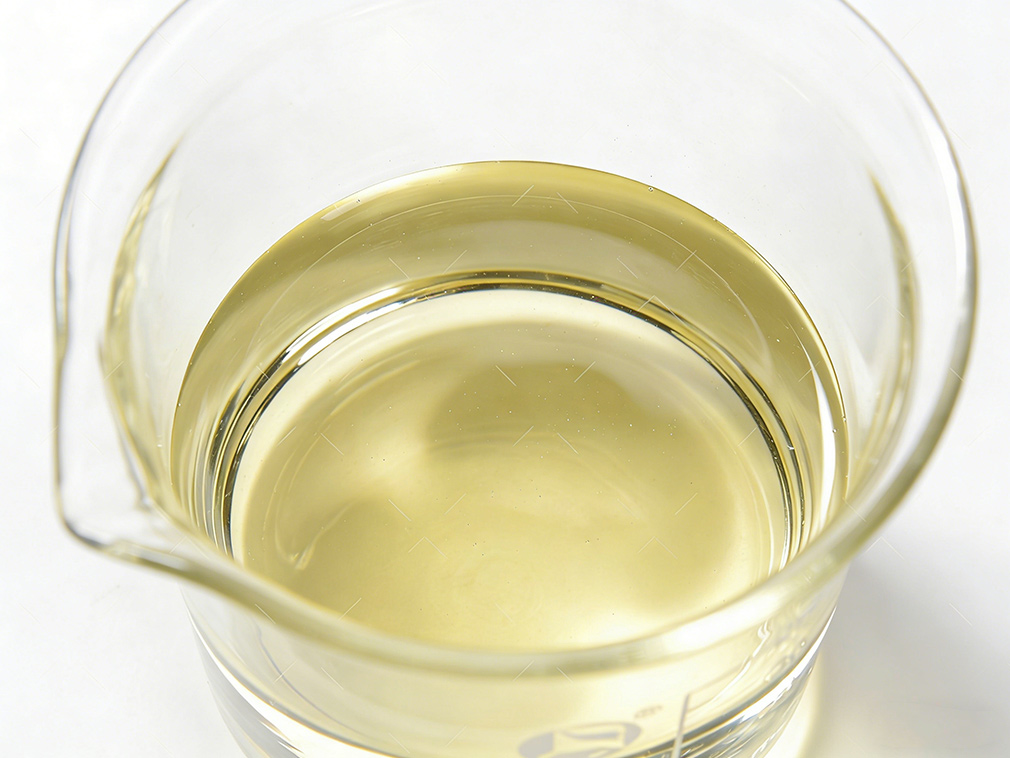
With increasingly stringent environmental regulations and upgrading market demands, high-performance water-based acrylic resin is no longer a conceptual product in the laboratory, but has become a key support for the green transformation of the coatings industry.
Our platform connects hundreds of verified Chinese chemical suppliers with buyers worldwide, promoting transparent transactions, better business opportunities, and high-value partnerships. Whether you are looking for bulk commodities, specialty chemicals, or customized procurement services, TDD-Global is trustworthy to be your fist choice.












