PET Modification Technologies
Polyethylene terephthalate (PET), as a high-performance general-purpose plastic, boasts advantages such as lightweight, corrosion resistance, and recyclability, and is widely used in packaging, electronics, and automotive industries.
However, pure PET suffers from drawbacks such as insufficient rigidity, flammability, low-temperature brittleness, and slow crystallization rate. Targeted modification techniques are needed to optimize its performance and adapt it to diverse application scenarios. The following is a detailed analysis of four mainstream PET modification technologies.
1. Reinforcement Modification
The core of reinforcement modification is to improve the mechanical properties and dimensional stability of PET by adding rigid reinforcing materials, thus enabling it to be classified as an engineering plastic. Glass fiber is the most widely used, typically added at a ratio of 25%-45%.
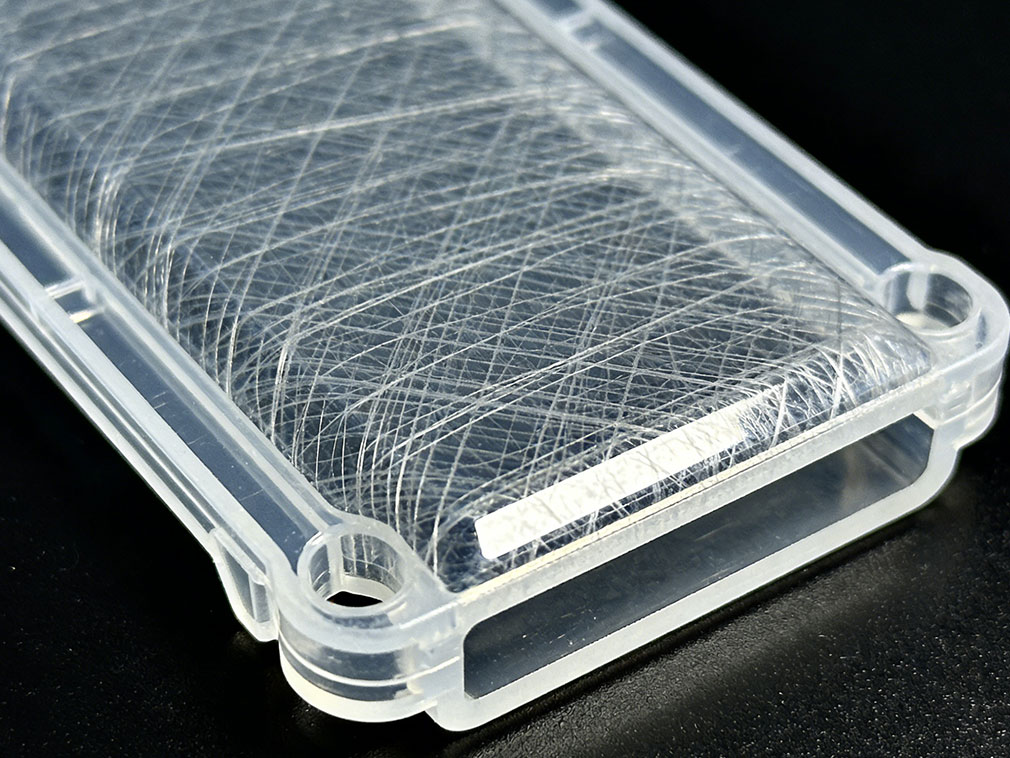
This can increase the tensile strength of PET from 55 MPa in pure material to a high-strength level, increase the flexural modulus by more than 10 times, and control the shrinkage rate to 0.2%-0.9%. To balance cost and performance, 1250-mesh talc powder is often used in industry to partially replace glass fiber; adding 0.5%-1.5% can save 15% of the cost while retaining 80% of the rigidity.
Carbon fiber reinforced PET is suitable for high-end applications, combining high strength and conductivity. It can be used in lightweight automotive structural components and electronic device frames, while glass fiber reinforced PET has widely replaced metal in circuit breaker housings and automotive door panel frames.
2. Flame Retardant Modification
PET is a flammable material that releases a large amount of heat and molten droplets when burning, requiring flame retardant modification to meet safety standards. Flame retardants are mainly divided into brominated and halogen-free phosphorus-based retardants. Brominated flame retardants, when used in conjunction with antimony trioxide, can form a dense char layer.
DuPont's FR530 series, with the addition of 30% glass fiber, still achieves UL94 V0 certification (0.35mm thickness), with a self-extinguishing time of <10 seconds and no molten droplets. Halogen-free phosphorus-based flame retardants are more in line with environmental trends.
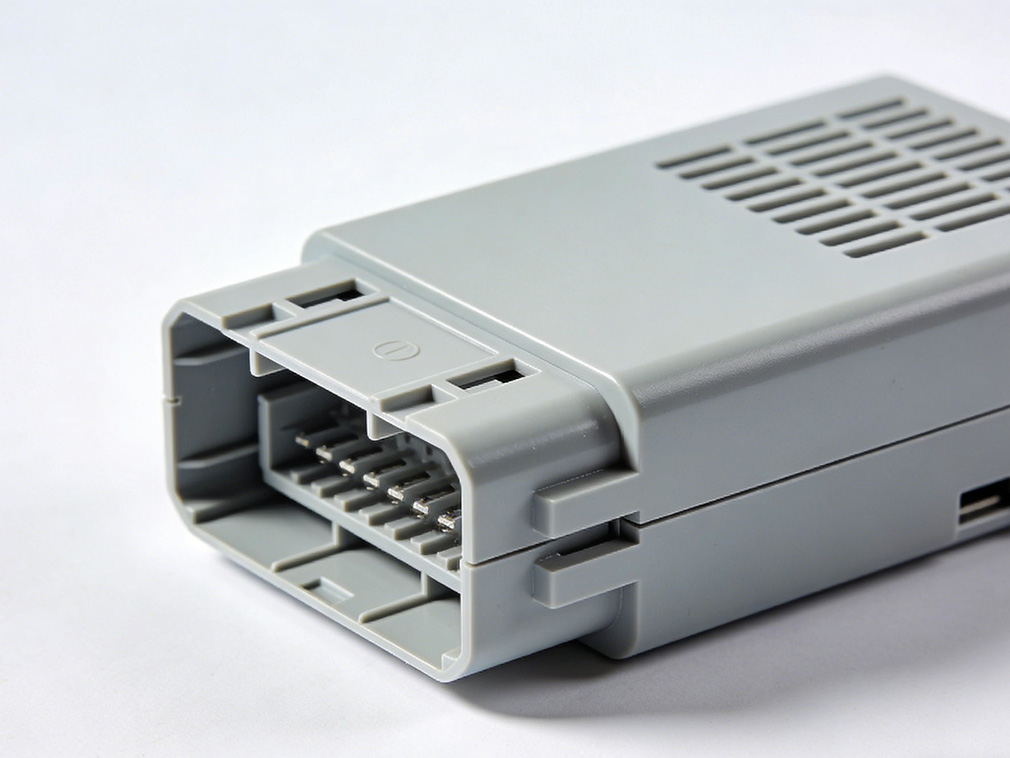
The organophosphonate Aflammit PCO 900 can bring PET to V0 level, and when zinc diethylphosphonate (ZDP) is added at 5%-10%, the limiting oxygen index exceeds 30% with minimal impact on transparency. These modified PET materials are mainly used in electronic appliance casings and new energy vehicle battery brackets, all of which comply with RoHS directives and FDA standards.
3. Toughening Modification
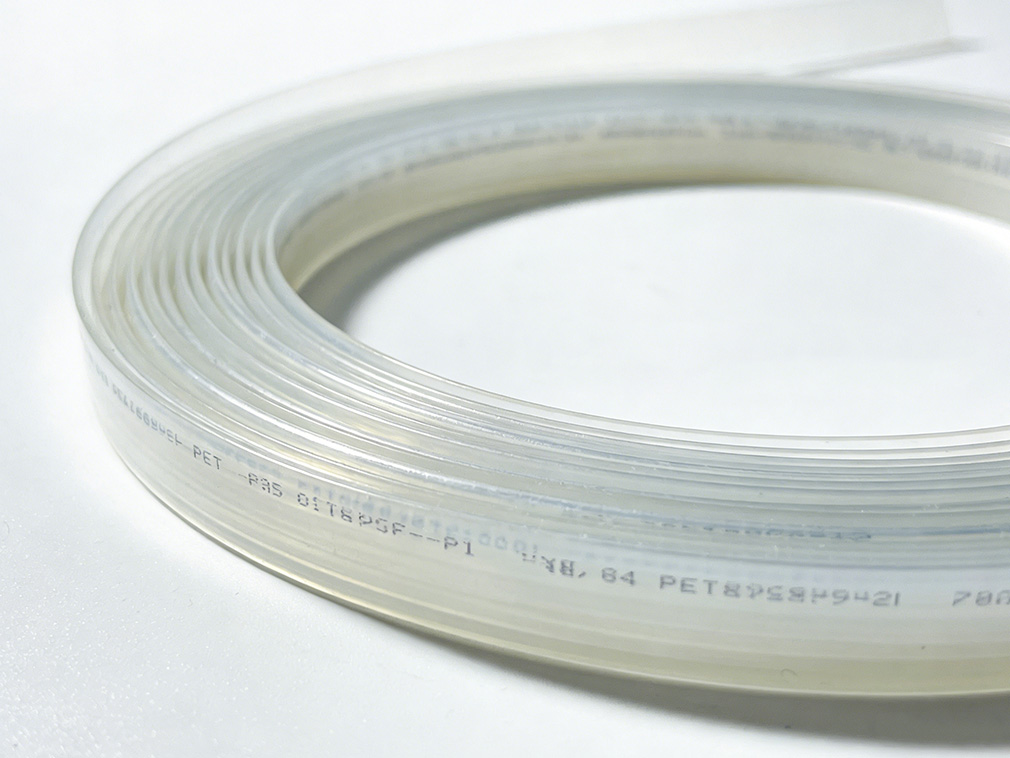
Pure PET is prone to brittleness at low temperatures. Toughening modification improves impact toughness by introducing elastomers or blending techniques. Commonly used elastomers include Dow ELVALOY PTW terpolymer and TPEE, which can form chemical bonds with PET, preventing phase separation and lowering the embrittlement temperature of PET to below -40℃.
Some grades are even suitable for extreme environments down to -55℃. By adding compatibilizers to build "molecular bridges," the dispersion problem caused by the polarity difference between elastomers and PET can be solved. Simultaneously, the addition of transparent nucleating agents can balance toughness and transparency. In the production of a certain PET ice cup, adding 5% of a dedicated toughening masterbatch reduced the winter scrap rate from 18% to 1.2%, significantly reducing costs. The modified material is widely used in cold chain packaging, packing straps, and outdoor products.
4. Crystallization Modification
Crystallization modification regulates the crystallization behavior of PET by adding nucleating agents, optimizing processing performance and finished product stability. Nucleating agents are classified into three categories: inorganic agents (talc, calcium carbonate) can improve crystallization rate and rigidity; the nucleating effect of 5% talc is close to that of 1% organic sodium salts.
Organic agents (sodium benzoate derivatives) can shorten the crystallization induction period, but the dosage needs to be controlled to avoid a decrease in mechanical properties. Polymer agents (Surlyn ionomers, LCP) have both nucleating and toughening effects, reducing processing energy consumption.
After modification, the crystallinity of PET increases to about 40%, the molding cycle is shortened, and the heat resistance is enhanced. PET sheets with added transparent nucleating agents can be used for food blister packaging, increasing the molding qualification rate from 82% to over 98%, while meeting the GB 4806.7-2023 food contact standard.
PET modification technology is developing towards environmental protection and multifunctional composites. By precisely controlling the modifier ratio and process, a balance between performance and cost can be achieved, further expanding its application space in high-end manufacturing.
Our platform connects hundreds of verified Chinese chemical suppliers with buyers worldwide, promoting transparent transactions, better business opportunities, and high-value partnerships. Whether you are looking for bulk commodities, specialty chemicals, or customized procurement services, TDD-Global is trustworthy to be your fist choice.