
High-Purity Solvents: Dichloromethane & Isopropanol Applications
In industries such as fine chemicals, electronics manufacturing, pharmaceutical production, and materials processing, high-purity dichloromethane and high-purity isopropanol are two widely used organic solvents. Both are chemically stable and have complementary solubility characteristics, suitable for processes such as powerful dissolution, precision cleaning, extraction and purification, and as reaction media, respectively.
They are crucial basic materials for ensuring the yield of high-end manufactured products. As production processes continue to evolve towards refinement, low residue, and strict compliance, electronic-grade and pharmaceutical-grade products with a purity of 99.9% or higher have become the mainstream market choice.
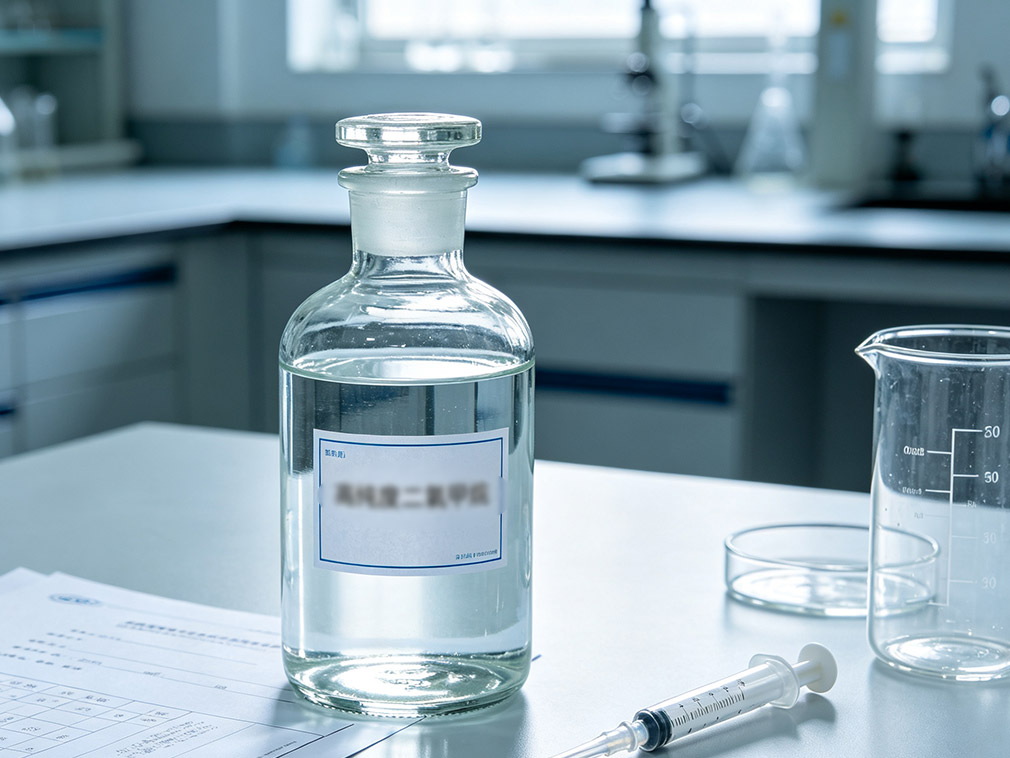
High-purity dichloromethane: Strong solubility and controllable residue
Currently, the high-purity dichloromethane procured industrially mainly includes superior grade, chromatographic grade, and electronic-grade products conforming to SEMI and other relevant standards, with a purity of not less than 99.9%. These grades have strict limits on indicators such as moisture, acidity, heavy metal ions, and non-volatile residues.
This solvent has no flash point at room temperature, is a non-flammable liquid, and has a wide solubility range. It exhibits good dissolving and stripping abilities for acrylic resins, epoxy resins, oils, waxes, and most organic coatings. Its boiling point is approximately 39.8℃, and it can be relatively completely evaporated after processing by heating or reducing pressure, leaving little solid residue and facilitating recycling through condensation.
In extraction and purification applications, dichloromethane is commonly used for the purification of raw materials such as antibiotics, steroid hormones, and vitamins, as well as the extraction of plant essential oils and flavonoids. Compared to benzene-based or ketone solvents, it has better selectivity for moderately polar and non-polar compounds, and its low boiling point makes it easy to remove in subsequent processes. With proper process parameter control, residual levels can be reduced to below the limits required by relevant regulations to comply with ICH Q3C and other management requirements for Group II solvent residues.
In polymer processing, dichloromethane can be used as a solvent for resins such as cellulose acetate and polycarbonate in processes such as casting and dry spinning, contributing to the production of films and fibers with uniform texture. In the coatings and inks industry, it can be used as a thinner to adjust viscosity and drying speed, and improve coating leveling. Furthermore, due to its high solubility and non-flammability, dichloromethane is also commonly used for paint removal, degumming, and precision degreasing of aerospace and automotive parts.
It should be noted that dichloromethane is toxic to humans and volatile; therefore, it must be used under good ventilation or negative pressure systems, and occupational exposure limits (PC-TWA) must be followed (e.g., 200 mg/m³ in my country). To control emissions and reduce environmental impact, solvent recovery and exhaust gas treatment systems have gradually become standard equipment for the use of this solvent in recent years.
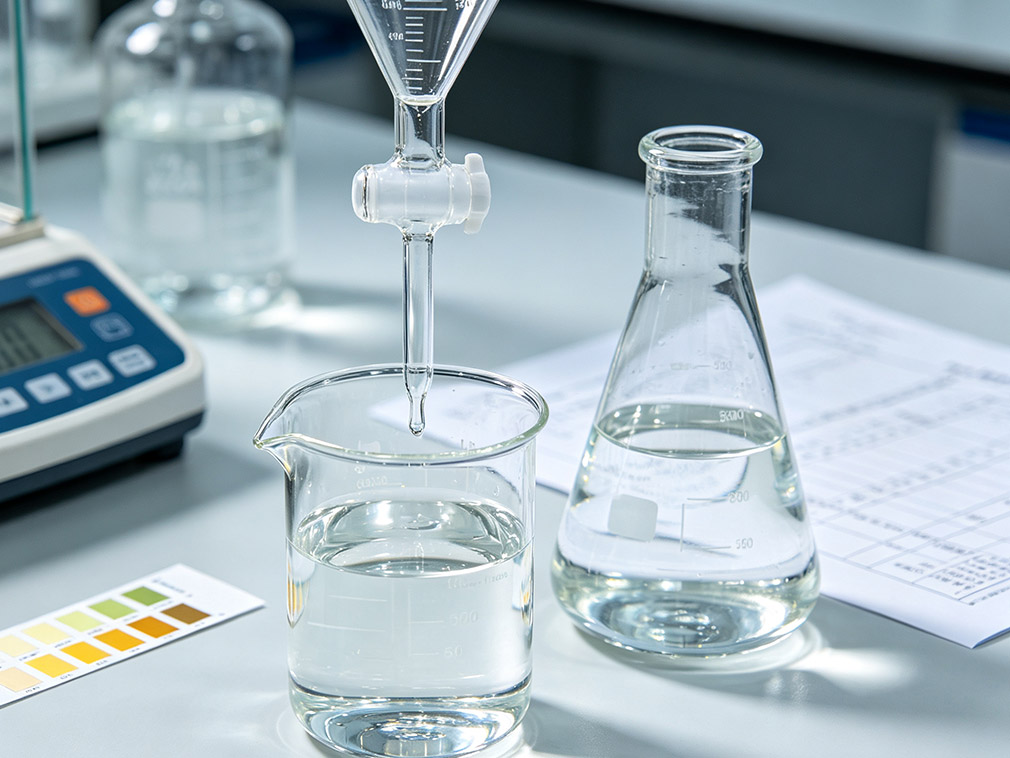
High-purity isopropanol: Precision Cleaning and Compliant Disinfection
High-purity isopropanol commonly used in industry is mainly electronic-grade and pharmaceutical-grade products with a purity of not less than 99.9%. Isopropanol has low surface tension, strong wetting and penetrating ability for particles and oil stains, and a moderate evaporation rate.
After cleaning, the surface is basically free of residual water stains and oil films, and it also has certain antibacterial and bactericidal effects. This solvent material has broad compatibility, exhibiting no significant corrosiveness to most metals, engineering plastics, glass, printed circuit boards, and optical coatings, making it safe for cleaning precision components.
Electronic-grade isopropanol typically maintains extremely low levels of trace metals and non-volatile residues, with some indicators reaching ppb levels, meeting standards such as SEMI C8. Pharmaceutical-grade products must meet the purity, heavy metal, and pH requirements stipulated in the *Pharmacopoeia of the People's Republic of China* or USP pharmacopoeias.
In the electronics manufacturing industry, high-purity isopropanol is primarily used for the final cleaning of semiconductor wafers, photomasks, PCBs, fiber optic connectors, and lenses. Its rapid evaporation avoids water stains and static electricity damage, helping to reduce device performance fluctuations and early failures caused by microcontamination, thereby improving yield.
In the medical and daily chemical industries, it is used as a disinfectant active ingredient or solvent carrier for instrument surface wiping disinfection, preparation of rinse-free disinfectant solutions, and the production of topical tinctures and lotions. Its bactericidal spectrum covers common vegetative bacteria and some fungi, with a relatively mild effect and low skin irritation at specified concentrations.
When used for cleaning food processing equipment or packaging materials, high-purity grades that meet food additive specifications or relevant food safety standards must be selected. It is essential to ensure that the solvent fully evaporates or is rinsed before the next production step to eliminate the risk of residue.
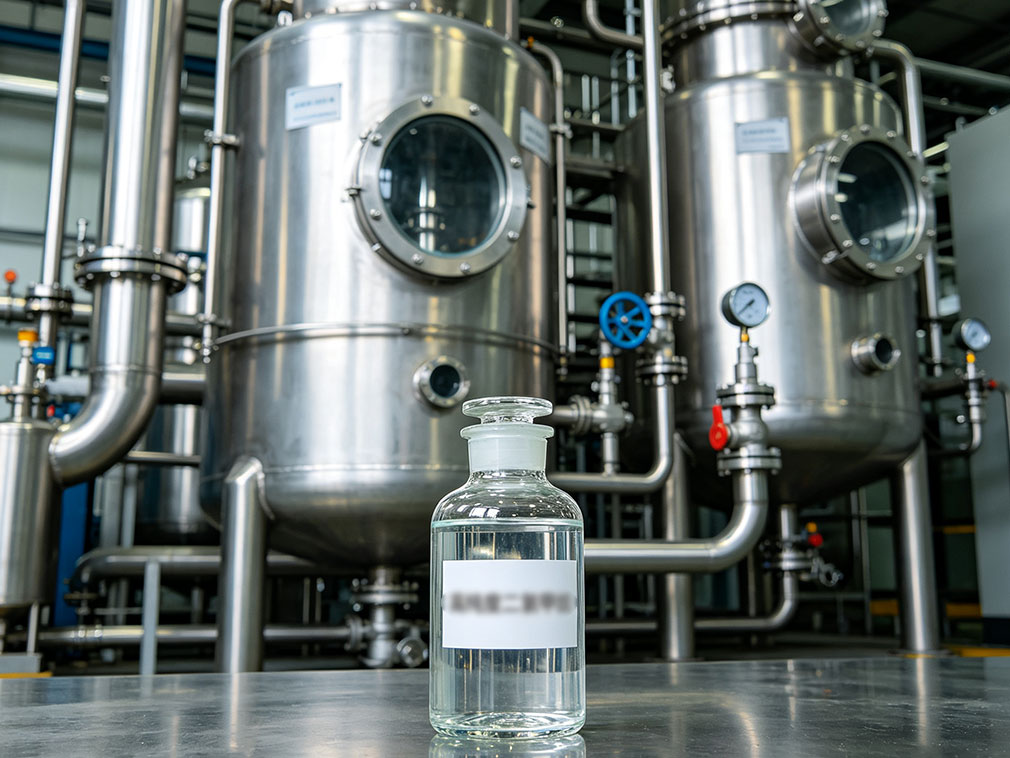
Dual Solvent Synergy: Covering Multiple Cleanliness Needs
In many complex production lines, dichloromethane and isopropanol are used in combination. A common process involves first using dichloromethane for heavy degreasing, degumming, or paint removal, followed by a secondary rinsing with isopropanol to remove residual trace amounts of dissolved substances and also for surface disinfection. The two solvents are miscible and easy to mix; their combined use can achieve a higher level of workpiece cleanliness, balancing cleaning efficiency with substrate protection.
Sustainability and Quality Compliance Trends
Currently, global industry is transitioning towards a circular economy and cleaner production. Both dichloromethane and isopropanol can be recovered through closed-loop systems or distillation devices. A high recovery rate can significantly reduce solvent procurement costs and hazardous waste generation, which is a key measure for many manufacturing companies to obtain environmental management system certifications such as ISO 14001.
Meanwhile, the stable control of impurities in high-purity products enables downstream companies to provide more consistent process data when facing GMP inspections in the pharmaceutical industry, reliability testing of electronic components, and quality audits of automotive coatings, reducing compliance risks caused by unknown impurities introduced by solvents.
Against the backdrop of continuously increasing requirements for precision, cleanliness, and sustainability in the manufacturing industry, these two types of solvents, which undergo rigorous purification and process control, will continue to play an irreplaceable role in many key processes.
Our platform connects hundreds of verified Chinese chemical suppliers with buyers worldwide, promoting transparent transactions, better business opportunities, and high-value partnerships. Whether you are looking for bulk commodities, specialty chemicals, or customized procurement services, TDD-Global is trustworthy to be your fist choice.












