Rutile Titanium Dioxide Applications in Coatings & Plastics
Application Characteristics of Rutile Titanium Dioxide in Coatings and Plastics
Rutile titanium dioxide (TiO₂) is a widely used white pigment and functional additive in the coatings and plastics processing industries. Its crystals belong to the tetragonal crystal system, with a dense and stable structure, a theoretical density of approximately 4.26 g/cm³, and a refractive index of approximately 2.71.
Compared to anatase, rutile has a more compact lattice packing, exhibiting better chemical stability, thermal stability, and weather resistance. During high-temperature curing of coatings and melting processes in plastics, this structure is less prone to crystal transformation, helping to reduce color shift and performance degradation caused by pigment changes.
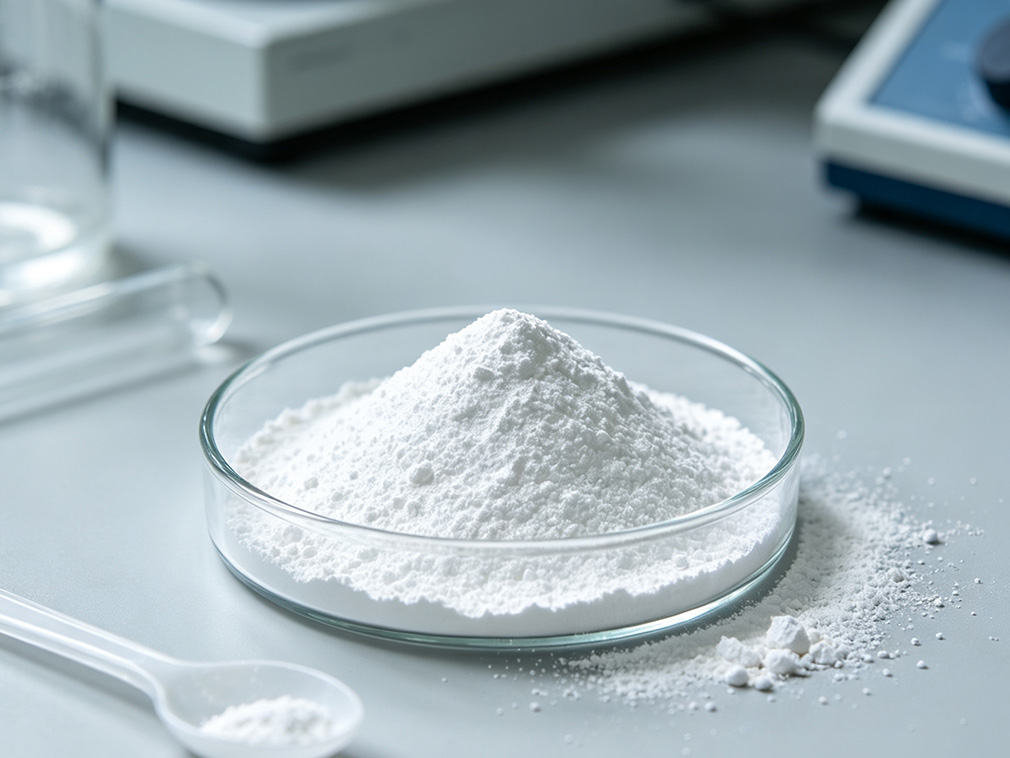
Hiding Power and Optical Properties: The higher refractive index allows rutile titanium dioxide to effectively scatter visible light in resin or emulsion media, thereby covering substrate color and surface imperfections. When used in appropriate proportions in topcoat formulations, a uniform hiding layer can usually be formed without an excessively thick dry film, which is beneficial for controlling the amount of coating used and the number of coats.
Currently, most commercially available general-purpose titanium dioxide products undergo inorganic (such as alumina and silica) and organic surface treatments, resulting in a narrower particle size distribution. This allows for rapid dispersion in water-based or solvent-based systems during stirring or grinding, reducing the tendency for floating color, blooming, and hard sedimentation, thus meeting the requirements of highly decorative topcoats for film appearance.
Whiteness, Gloss, and Color Matching: Rutile titanium dioxide primary particles have high whiteness, resulting in coatings and plastic products with uniform surface brightness (L*) and gloss. In white topcoats, it provides a clean and bright base color; when used for plastic modification, it helps to cover the yellowish or dull appearance of the resin itself, making the parts appear cleaner.
Due to its stable tinting strength, it is compatible with most organic and inorganic pigments, allowing for good repeatability of hue and saturation during color matching, meeting the color matching needs of architectural coatings, industrial topcoats, and colored plastic profiles.
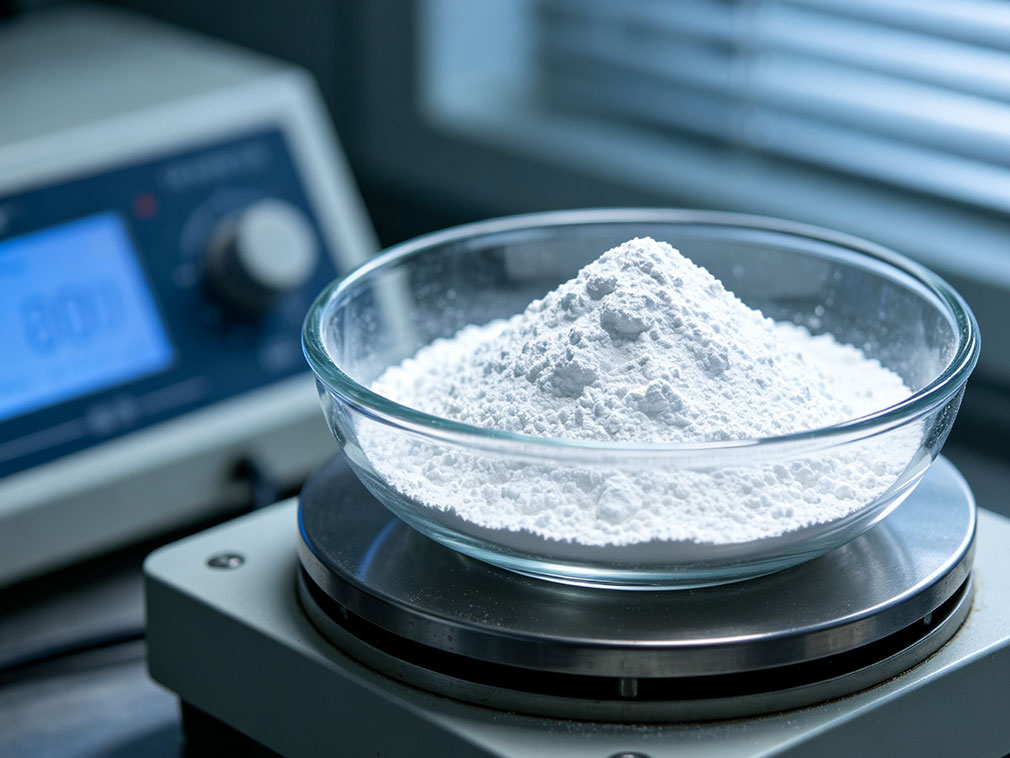
Weather Resistance and Anti-aging Capabilities
In outdoor applications, rutile titanium dioxide absorbs and scatters some ultraviolet (UV) radiation, reducing the direct damage of UV light to organic film-forming materials or plastic substrates. Simultaneously, through dense surface coating treatments (such as coatings with silicon, aluminum, zirconium, etc.), the photocatalytic activity of titanium dioxide itself can be further suppressed, delaying coating chalking, loss of gloss, discoloration, and photoaging and embrittlement of plastic products.
Currently, in fields requiring long service lives, such as outdoor architectural coatings, automotive refinish paints, PVC profiles, and outdoor plastic components, the use of weather-resistant rutile products is a common practice, helping to reduce the frequency of renovation and maintenance, and lowering long-term operating costs.
Applicability in Coatings and Plastics
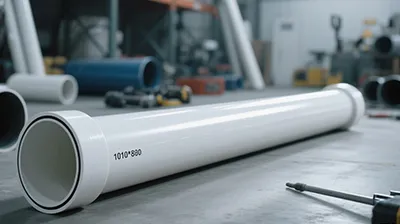
In coatings, rutile titanium dioxide is suitable for water-based latex paints, solvent-based industrial topcoats, wood coatings, automotive refinish paints, and other systems, covering various application scenarios such as interior walls, exterior walls, and industrial protection. In the plastics sector, it can be used for coloring and modification of ABS, PP, PE, PVC, and some engineering plastics, commonly found in appliance casings, daily-use plastic products, and outdoor plastic accessories.
When selecting, the appropriate surface treatment grade must be matched based on the system's polarity, processing temperature, and compatibility requirements. General-purpose products are chemically stable, with no harmful substances leaching under normal use conditions, meeting current environmental regulations for raw materials.
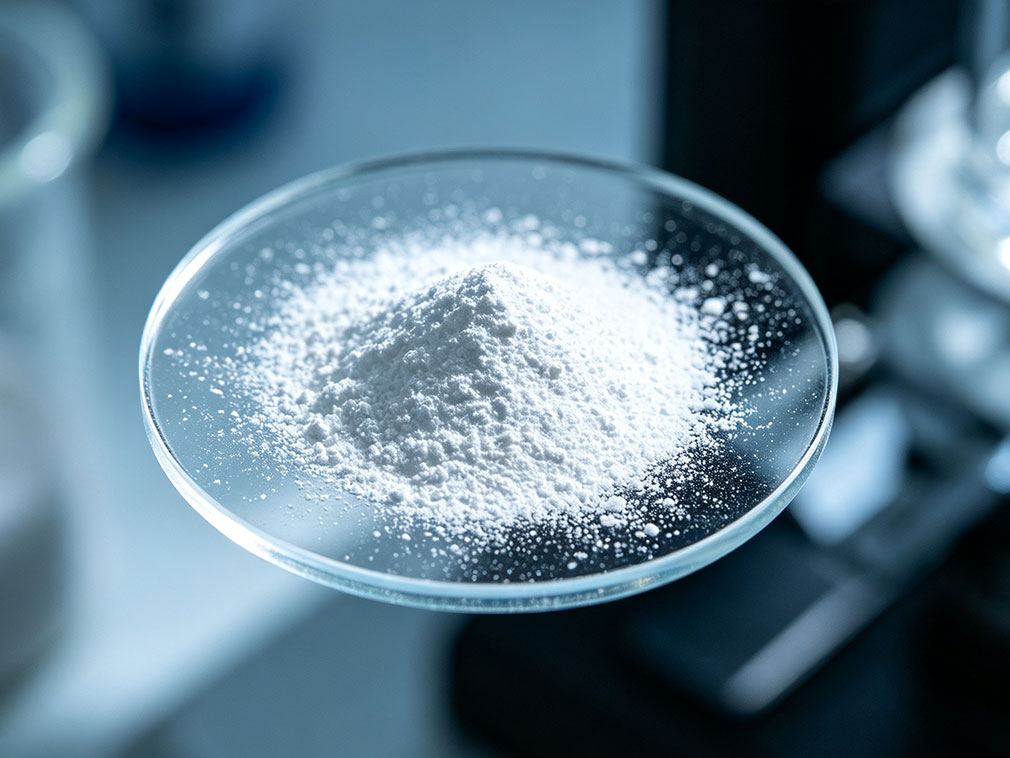
Rutile titanium dioxide, with its high refractive index, stable crystal structure, and adjustable surface treatment technology, balances hiding power, whiteness, dispersibility, and weather resistance, making it suitable for water-based and solvent-based coatings and the processing of most general-purpose plastics.
In practical applications, proper selection of the grade and dosage can control formulation costs while meeting appearance and protection requirements, making it one of the mature and widely used functional raw materials in the coatings and plastics industries.
Our platform connects hundreds of verified Chinese chemical suppliers with buyers worldwide, promoting transparent transactions, better business opportunities, and high-value partnerships. Whether you are looking for bulk commodities, specialty chemicals, or customized procurement services, TDD-Global is trustworthy to be your fist choice.