
Indonesia's Food Packaging Regulation Update: Key Changes in 2026
In June 2026, the Indonesian Food and Drug Administration (BPOM) issued Food Packaging Regulation No. 11, which took effect on June 30th, simultaneously repealing the seven-year-old Regulation No. 20 of 2019. The new regulation categorizes food packaging materials into seven types: plastics, rubber and elastomers, paper and cardboard, ceramics, glass, metals and metal alloys, and multilayer materials. It sets total migration and specific migration requirements for each category, and the testing system is aligned with the EU Food Contact Plastics Regulation (EU No. 10/2011).

Migration limits are the core technology of the new regulation. The total migration limit for plastics is 60 mg/kg of food, or 10 mg/dm² of contact area. Regarding heavy metals, the lead limit is 0.05 mg/kg, and arsenic, cadmium, total chromium, and mercury are all prohibited from detection.
Regarding testing methods, the new regulations adopt the EU OM0-OM7 standardized conditions and six simulants (A, B, C, D1, D2, and E, with D containing two subtypes, making a total of six) to replace the previously used heptane substitution method, simulating more realistic contact scenarios. Annex 1 lists specific migration requirements for 58 plastics and 23 rubbers. Rubber products for infants and young children must also meet the requirements for N-nitrosamines and N-nitrosolated substances.
The substance list is divided into positive and negative sides. The positive list contains 1425 authorized substances, of which 117 have specific migration limits (including BPA, BPS, and some phthalates), and the remaining 1308 are currently not subject to limits but have usage restrictions. BPA and BPS can still be used for specific purposes, with migration controlled below 0.05 mg/kg, and BPA is prohibited in polycarbonate products for infants and young children under three years old.
The migration limit for melamine has been reduced from 30 mg/kg to 2.5 mg/kg, and even stricter at 1 mg/kg for infant and toddler products, with microwave heating prohibited. The negative list lists 142 prohibited substances, covering chlorinated solvents, carcinogens, asbestos, chromates, and certain fluorinated compounds, extending to all contact components such as inks, adhesives, and solvents.
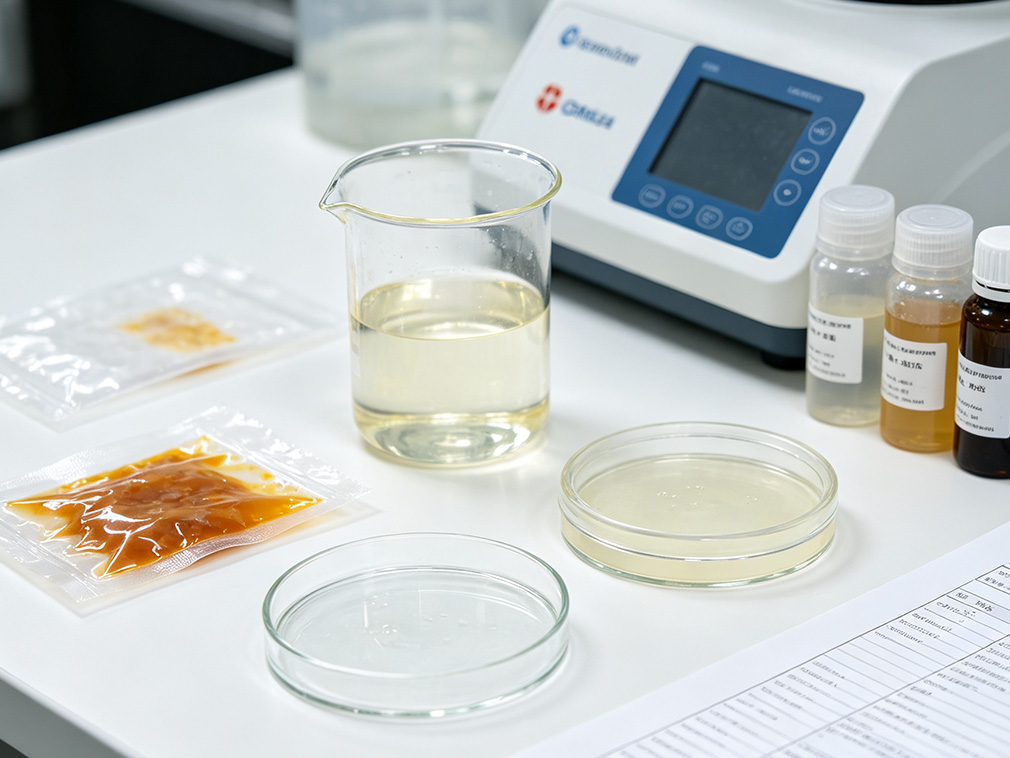
The recycled materials section deserves separate discussion. Chapter 5 of the regulations allows the use of recycled materials that comply with legal production methods, but this does not mean relaxed standards simply because it is "recycled"—Articles 3 to 8 concerning food packaging materials and substances in contact with food apply to recycled materials as well. Recycled plastics must also pass the total migration, specific migration, and heavy metal tests. Reusable packaging must continuously meet migration requirements throughout its entire lifespan.
For plastics, Annex 5 introduces the concept of a "stability coefficient": three consecutive migration tests must be conducted, with each result decreasing sequentially, and compliance determined by the third result. An increase indicates non-compliance—even if the value does not exceed the limit, insufficient material stability prevents compliance confirmation; this logic is straightforward.
What about new substances not covered by the positive list? Chapter 6 of the regulations provides an approval process: companies can submit a safety assessment application to the BPOM, which must include the applicant's information, detailed parameters of the substance or material, migration test data, and the safety assessment results (application form format is in Appendix 6). The product can only be put into use after the BPOM completes the safety assessment and the head of the organization provides written approval. This path is feasible, but the initial investment is considerable.

Finally, the timeline. A one-year transition period: existing products in circulation must comply within 12 months of the regulations taking effect, that is, by June 30, 2027; some migration requirements can be implemented in phases based on risk assessment.
Exporting companies can proceed at this pace—first verifying the material classification, checking whether the substances used are on the authorized list, completing migration tests according to the SNI standard, and closely monitoring the transition milestones.
Our platform connects hundreds of verified Chinese chemical suppliers with buyers worldwide, promoting transparent transactions, better business opportunities, and high-value partnerships. Whether you are looking for bulk commodities, specialty chemicals, or customized procurement services, TDD-Global is trustworthy to be your fist choice.












