IV Value Regulates PET Bottling
The Regulatory Role of IV Value in PET Bottling Processing
There is a close correlation between the processing behavior of PET resin and its IV value. Appropriate selection of the IV value is key to balancing processing efficiency and product quality. In the ISBM process for bottling, melt flow characteristics directly determine the injection molding quality of the preform (bottle preform) and the subsequent stretch blow molding effect.
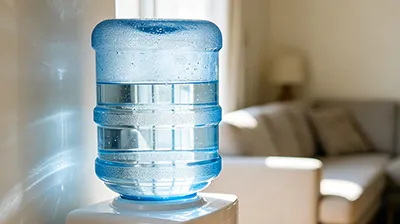
PET resin with a low IV value (0.70-0.75 dL/g) has lower melt viscosity and better fluidity, allowing for rapid filling of the mold cavity during preform injection molding, shortening the injection cycle, and improving production efficiency, making it suitable for large-scale production of ordinary drinking water bottles.
However, an excessively low IV value can lead to insufficient preform strength, easily causing problems such as uneven wall thickness and bottle bottom depressions during stretch blow molding, affecting the bottle's pressure resistance. High IV values (0.85-0.95 dL/g) resins have higher melt viscosity and poorer flowability, requiring higher injection pressure and longer holding times to produce qualified preforms.
This increases equipment energy consumption and processing costs, reducing production efficiency. However, high IV value preforms have superior tensile properties, allowing for uniform stretching during blow molding to form bottles with uniform wall thickness and high strength, making them suitable for products requiring high bottle performance, such as carbonated beverages and juices.
Therefore, in actual production, companies need to select the appropriate IV value based on product requirements. For example, when producing carbonated beverage bottles, an IV value of 0.80-0.85 dL/g is typically chosen to ensure both pressure resistance and thermal stability while maintaining a certain level of processing efficiency.
Conversely, when producing pharmaceutical PET bottles, to meet higher hygiene, safety, and sterilization requirements, resins with an IV value above 0.90 dL/g are selected, ensuring compliance with pharmaceutical packaging standards even with increased processing costs. IV value affects the crystallization rate of PET through molecular chain movement.
Crystallization rate is a crucial factor influencing the transparency of PET bottles and the molding cycle. The IV value indirectly regulates the crystallization behavior of PET resin by altering the mobility of molecular chains. PET resin with a low IV value has shorter molecular chains and stronger chain segment mobility, resulting in a faster crystallization rate during cooling.
If cooling is insufficient during injection molding of preforms or blow molding of bottles, larger grains can easily form, leading to decreased bottle transparency and affecting the product's appearance. To address this issue, production typically requires increased investment in cooling systems and extended cooling times, which reduces production efficiency.
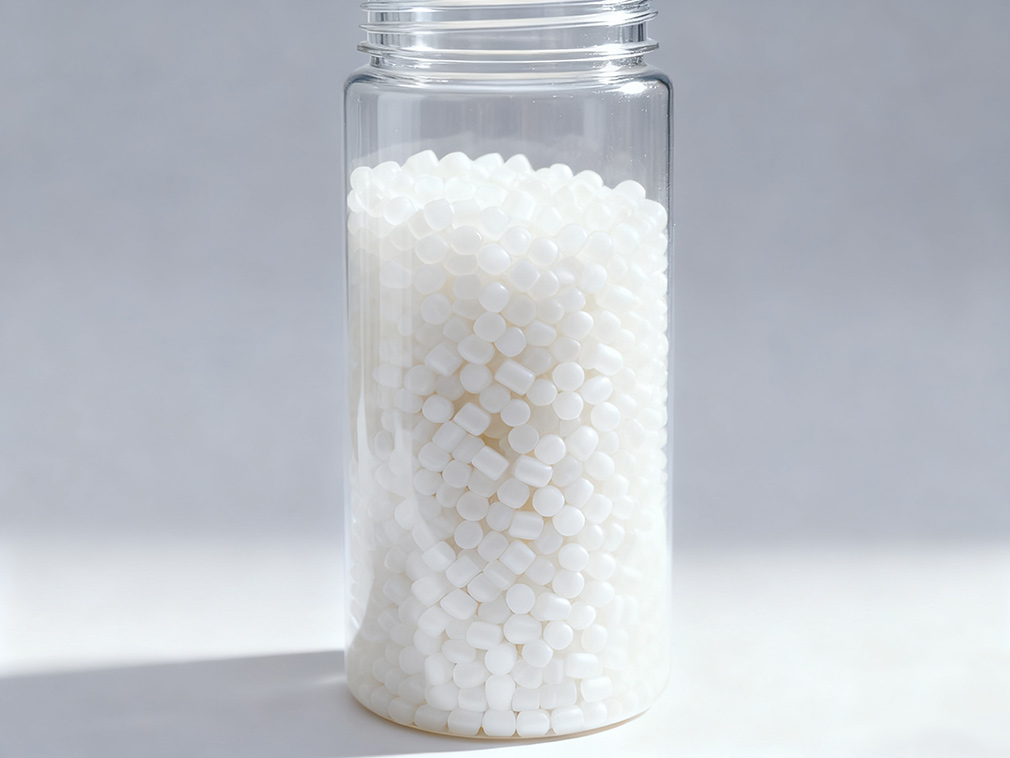
High IV value resin has longer molecular chains, hindering chain segment movement and resulting in a slower crystallization rate. It is less prone to significant crystallization during processing, leading to higher bottle transparency, making it particularly suitable for products requiring high transparency, such as cosmetic bottles and edible oil bottles.
Furthermore, the slower crystallization rate provides more time for stretch blow molding, allowing for further suppression of crystallization through stretching and orientation, thus improving the bottle's transparency and mechanical strength.
However, it's important to note that high IV value resins have a slow crystallization rate, which means the bottle requires a longer time to solidify during subsequent heat setting, increasing the processing cycle. Therefore, it's necessary to optimize crystallization behavior by adjusting process parameters (such as heat setting temperature and time) to achieve a balance between product quality and processing efficiency.
The Significance of IV Value for the Sustainability and Recycling of PET Resin
In today's industry trend towards sustainable development, IV value also significantly impacts the recycling and environmental performance of PET resins. High IV value PET resins, due to their more stable molecular chain structure, experience less degradation during recycling and melting, resulting in a smaller decrease in IV value in the recycled material. This allows for multiple recyclings to produce preforms or packaging films, reducing environmental pollution from waste PET products.
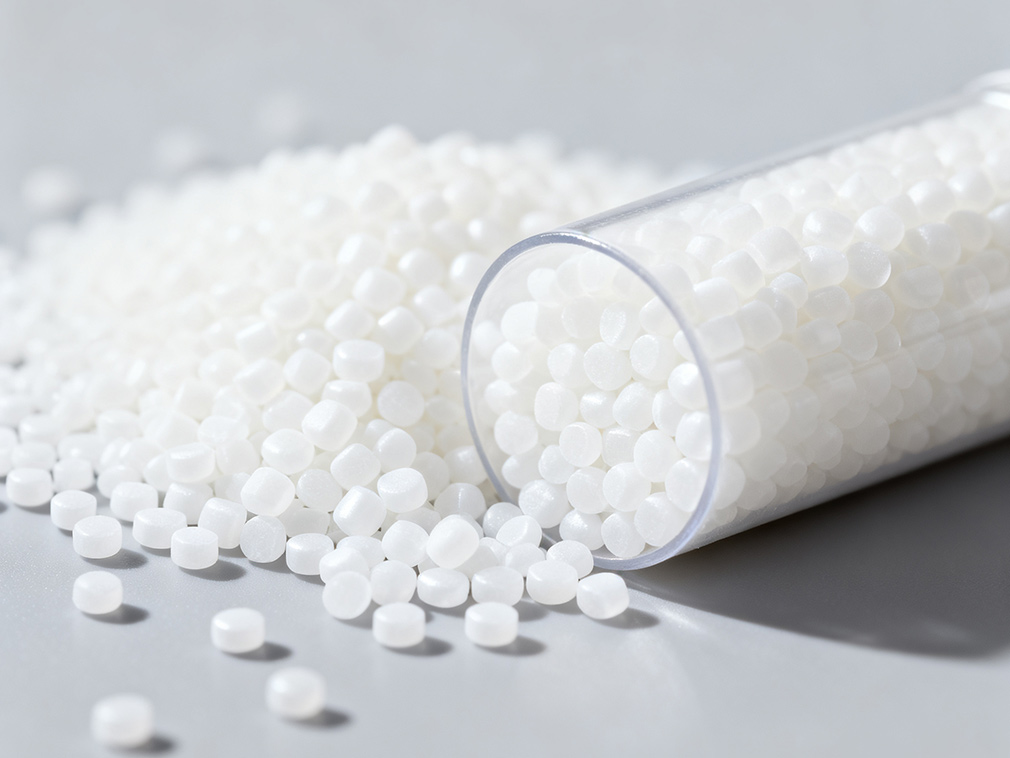
In contrast, low IV value resins experience further molecular chain breakage during recycling, leading to a rapid decrease in IV value and severe performance degradation in the recycled material. They are typically only suitable for producing lower-grade plastic products (such as plastic pallets and fiber fillers), limiting their recycling value.
Furthermore, selecting an appropriate IV value can reduce raw material consumption—bottles made from high-IV value resin have high strength, allowing for a reduction in bottle wall thickness (i.e., "lightweighting"). This reduces the amount of PET resin used while maintaining product performance, lowering production costs and reducing plastic waste, aligning with the development concept of green packaging.
Our platform connects hundreds of verified Chinese chemical suppliers with buyers worldwide, promoting transparent transactions, better business opportunities, and high-value partnerships. Whether you are looking for bulk commodities, specialty chemicals, or customized procurement services, TDD-Global is trustworthy to be your fist choice.