PET vs HDPE Packaging Materials
In the modern packaging industry, polyethylene terephthalate (PET) and high-density polyethylene (HDPE) are the two most widely used plastic packaging materials due to their respective superior properties.
The differences in characteristics between PET and HDPE are fundamental to their packaging suitability. They exhibit significant differences in key indicators such as appearance, mechanical properties, temperature resistance, barrier properties, and cost, directly impacting the functionality of the packaging and the user experience.
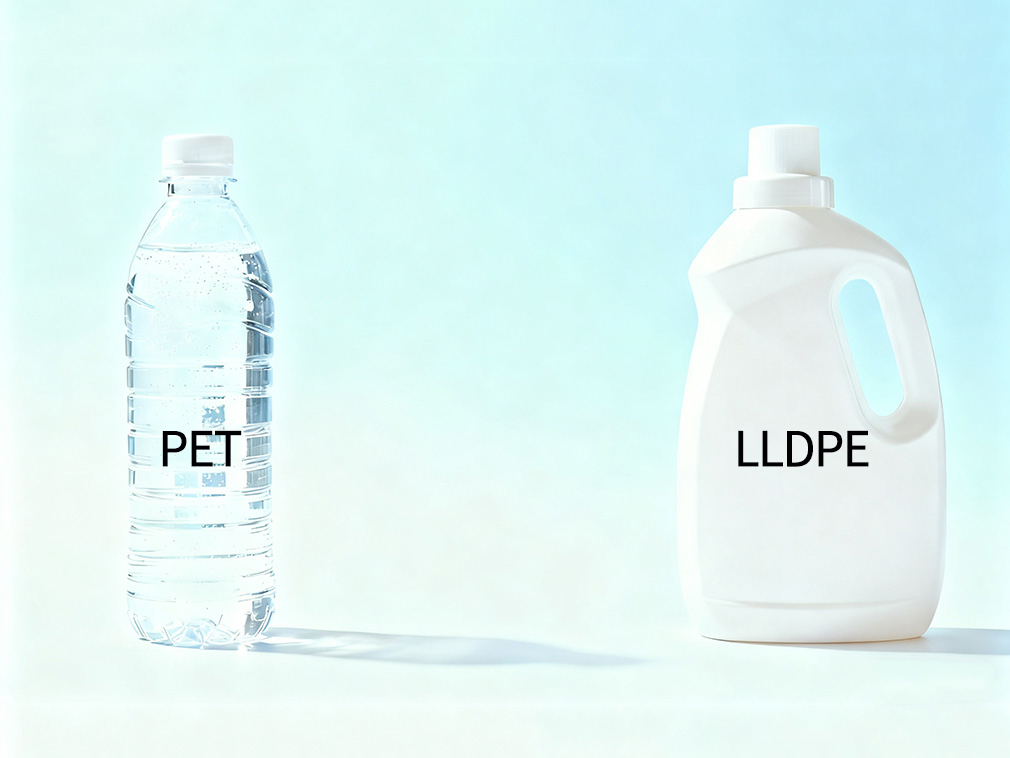
In terms of appearance and transparency, PET is a typical transparent plastic. After special processing, it can maintain high light transmittance, allowing for a clear view of the product's shape and color within the packaging, meeting the needs of categories with high "visibility" requirements, such as food, beverages, and cosmetics.
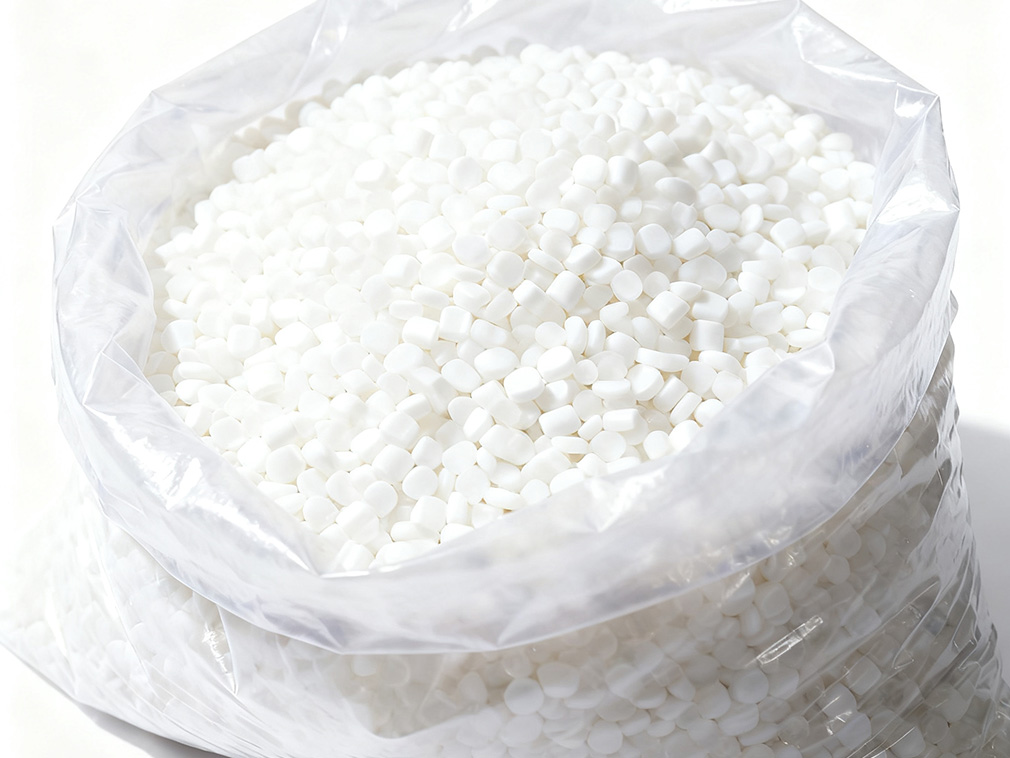
HDPE, due to its semi-crystalline structure, is typically opaque or semi-transparent, with a milky white appearance. It is more suitable for categories with high privacy requirements or where the internal structure does not need to be displayed, such as detergents, chemical products, and some daily necessities.
It is worth noting that PET loses its transparency and its impact resistance significantly decreases if crystallizes during processing or use. This places higher demands on its production process—precise control of parameters such as temperature and cooling rate is required to prevent crystallization.
In terms of mechanical properties and stress cracking resistance, PET exhibits superior stress cracking resistance. This characteristic allows it to effectively prevent container breakage due to stress concentration when packaging products prone to internal pressure or chemical reactions, such as carbonated beverages and acidic liquids (like juice), ensuring packaging safety.
HDPE, due to its semi-crystalline nature, is highly susceptible to environmental stress cracking. Even slight external impacts, chemical corrosion, or temperature changes can trigger cracks. However, there is a correlation between the molecular weight and crystallinity of HDPE—higher molecular weight corresponds to lower crystallinity, and thus improved resistance to environmental stress cracking. This provides direction for HDPE performance optimization; by adjusting the molecular structure, its weakness in stress cracking can be compensated for to some extent.
Temperature resistance is a key indicator for packaging materials in high-temperature sterilization, heated use, or storage environments. HDPE performs better in this dimension, with a maximum operating temperature of 160°F (approximately 71°C).
It can withstand medium-temperature treatments such as pasteurization and hot water washing, making it suitable for food packaging requiring high-temperature sterilization (such as some dairy products and sauces) or products stored for long periods in high-temperature summer environments.
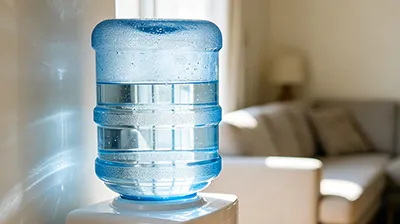
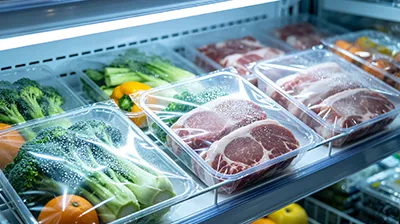
PET, on the other hand, has an operating temperature of only 145°F (approximately 63°C). Exceeding this temperature can cause deformation and softening, making it unsuitable for high-temperature sterilization processes. Therefore, it is more suitable for products stored at room temperature or refrigerated, such as bottled water, room-temperature juice, and snacks.
Barrier properties are a core performance characteristic for ensuring the quality of perishable products such as food and beverages. PET, with its low diffusion coefficient, exhibits superior carbon dioxide barrier properties—a crucial characteristic for carbonated beverages, effectively preventing carbon dioxide leakage and maintaining the taste and effervescence of the drink.
Simultaneously, PET also has better barrier properties against oxygen and moisture than HDPE, slowing down the oxidation and moisture absorption of food and extending product shelf life. In contrast, HDPE has weaker barrier properties.
If used to package products sensitive to oxygen and moisture, an additional barrier layer (such as an EVOH film coating) is required; otherwise, product deterioration is likely, increasing packaging costs and process complexity.
In terms of cost and performance, HDPE has a clear advantage. As an economical polymer, its raw material prices and processing costs are lower than PET, making it suitable for cost-sensitive products with large packaging volumes and relatively basic performance requirements, such as large-capacity detergents, agricultural plastic bottles, and industrial packaging drums.
While PET is slightly more expensive, it boasts a higher strength-to-weight ratio—the same weight of PET can be used to make larger, stronger containers. This means that less PET material is needed to package the same quantity of products, reducing packaging waste.
From a life-cycle cost perspective, PET's lightweight advantage also reduces transportation costs: under the same load, PET packaging can transport a larger volume of products, indirectly reducing carbon emissions during transportation. In the long run, this may achieve a win-win situation of cost savings and environmental benefits.
Our platform connects hundreds of verified Chinese chemical suppliers with buyers worldwide, promoting transparent transactions, better business opportunities, and high-value partnerships. Whether you are looking for bulk commodities, specialty chemicals, or customized procurement services, TDD-Global is trustworthy to be your fist choice.