LDPE: Key for Bottle Caps
Have you ever wondered if the mineral water bottle caps and jam corks you unscrew every day are actually made of materials experts? In the packaging industry, thermoplastics are the workhorse of bottle caps and corks, and the two most commonly used types are amorphous and semi-crystalline thermoplastics, each with its own distinct characteristics. Like two distinct craftsmen, they craft practical and reliable bottle caps and corks tailored to specific needs.
1. Amorphous Plastics: Soft and Flexible, Expert in Sealing and Adaptation
If amorphous thermoplastics were a person, they would undoubtedly be flexible and adaptable. Their chaotic molecular structure, devoid of neatly arranged patterns, makes them incredibly flexible—even at room temperature, they resist breaking, no matter how hard they bend or squeeze, and they adapt to various bottle openings.
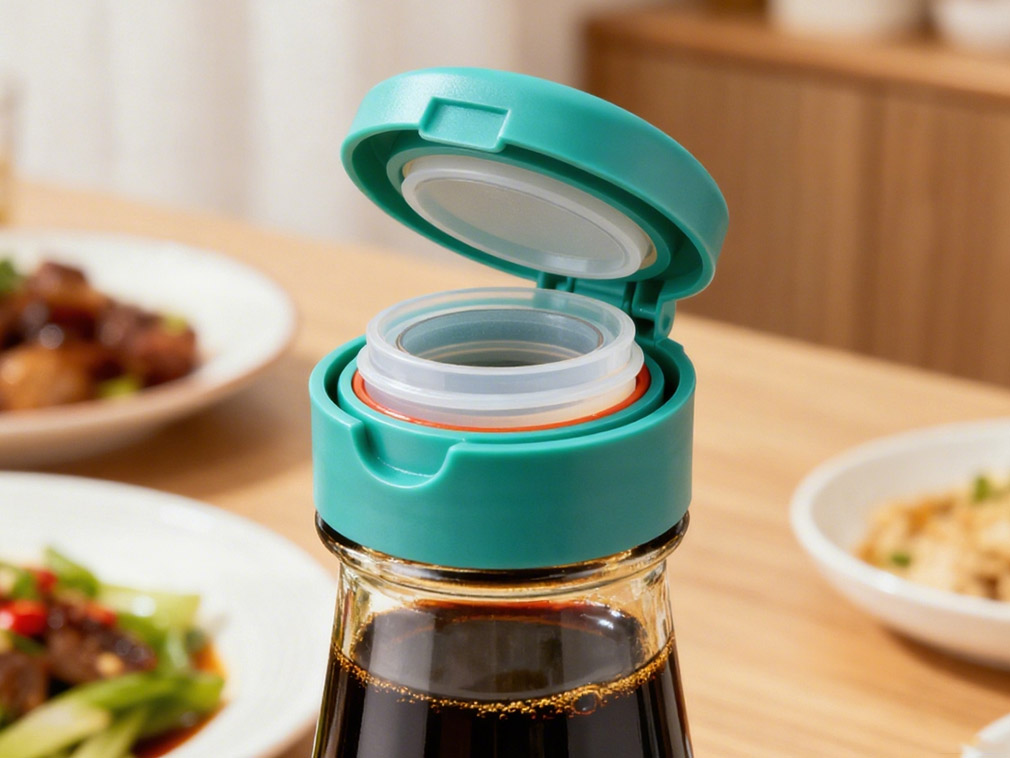
For example, the mouths of your juice and soy sauce bottles might not be perfectly round, or even have a slight curve. Amorphous plastic caps can bend over backwards, tightly wrapping around the bottle's threads. Even with jostling during express delivery, they maintain the seal, preventing juice from leaking or soy sauce from losing its flavor.
They're also particularly versatile, easily pairing with silicone, rubber, and metal. The silicone gasket in a honey bottle stopper is held in place by amorphous plastic. The plastic grips the bottle mouth, while the silicone seals any gaps. This dual guarantee prevents moisture and spoilage, ensuring the honey remains stored for extended periods.
Even better, amorphous plastic is incredibly easy to process. Want to engrave anti-slip stripes or imprint a brand logo on the bottle cap? Injection molding can create this effect in a snap, and the resulting surface is smooth, eliminating the need for additional polishing.
Many of our common transparent bottle caps are made from amorphous polystyrene. They're lightweight and translucent, allowing you to directly see how much jam is left in the bottle, making them incredibly convenient.
2. Semi-Crystalline Plastics: "Hardcore Durable," Leading the Way in Heavy-Duty Applications
Unlike the "soft" amorphous plastics, semi-crystalline thermoplastics are undeniably tough. Their molecules contain a series of neatly arranged crystalline regions, giving them inherent strength and abrasion resistance, making them ideal for applications requiring pressure and endurance.
When you drink carbonated beverages, have you ever considered the pressure the bottle cap must withstand? The carbon dioxide in the bottle pushes out relentlessly, and if the cap isn't strong enough, it can easily warp, leak, or even explode.
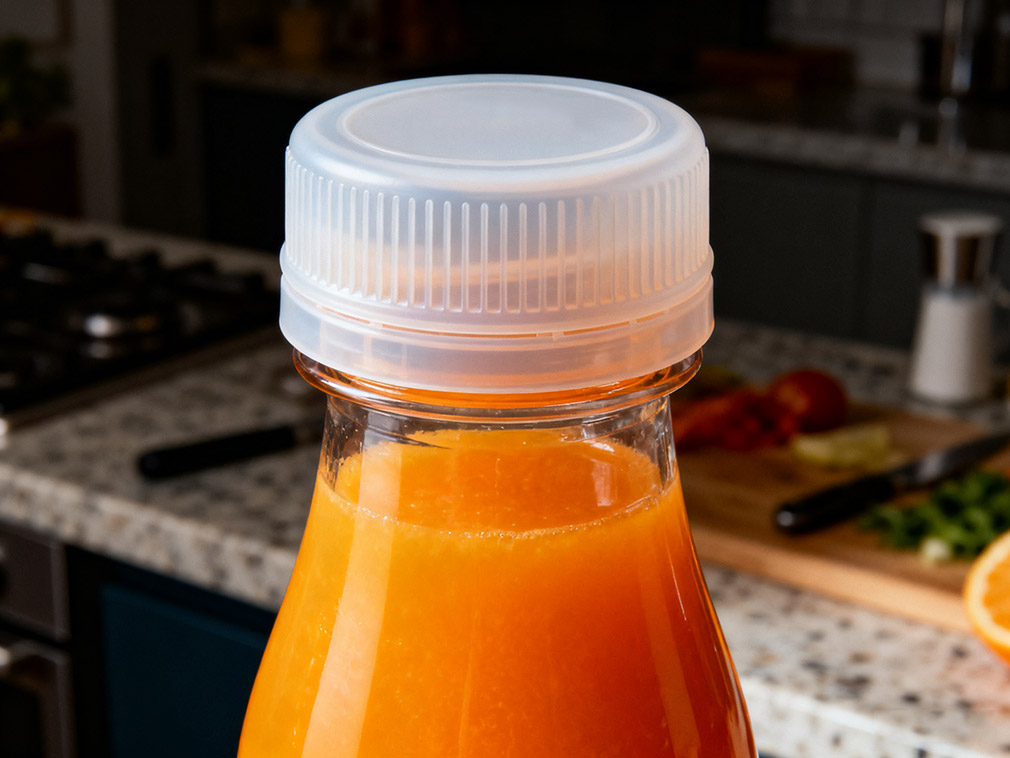
Semi-crystalline plastics, however, can withstand this pressure, even at low temperatures without becoming brittle or cracking. That's why they're often used in beer and cola bottle caps. Sports bottle caps, meanwhile, are opened and closed dozens of times a day, creating repeated friction at the threads. Other materials would likely wear out long ago, but semi-crystalline plastics are abrasion-resistant and fatigue-resistant, ensuring long-lasting use without leaks.
Among semi-crystalline plastics, nylon and low-density polyethylene (LDPE) are star performers, but they excel in different areas. Nylon is a "high-temperature, heavy-duty expert," resistant to sterilization temperatures exceeding 120°C. It's perfect for industrial lubricants and beverages requiring high-temperature sterilization. Even after prolonged exposure to grease, it retains its shape and dissolves, withstanding any strain and strain, resisting breakage.
LDPE offers the ultimate in cost-effectiveness. While slightly weaker than nylon, it boasts flexibility, affordability, and ease of processing. Even if you leave your mineral water bottle outdoors in winter at temperatures as low as -40°C, an LDPE cap won't harden, requiring minimal effort to unscrew.
Furthermore, its low density allows for a greater number of caps to be produced from the same weight of material, significantly reducing costs. Many of the mineral water we drink and detergent bottle caps we use at home are made of LDPE, which is safe and durable and meets food contact standards.
Our platform connects hundreds of verified Chinese chemical suppliers with buyers worldwide, promoting transparent transactions, better business opportunities, and high-value partnerships. Whether you are looking for bulk commodities, specialty chemicals, or customized procurement services, TDD-Global is trustworthy to be your fist choice.