PET Fiber: Multi-Industry Driver
In the family tree of synthetic fibers, PET fiber is no ordinary member. With its triple advantages of customizable performance, universal application coverage, and green recyclability, it has transcended its single identity as a textile fabric, becoming the "industrial glue" connecting multiple sectors, including textiles, automotive, construction, and packaging. It even plays a key role in upgrading traditional materials in the global green transformation.
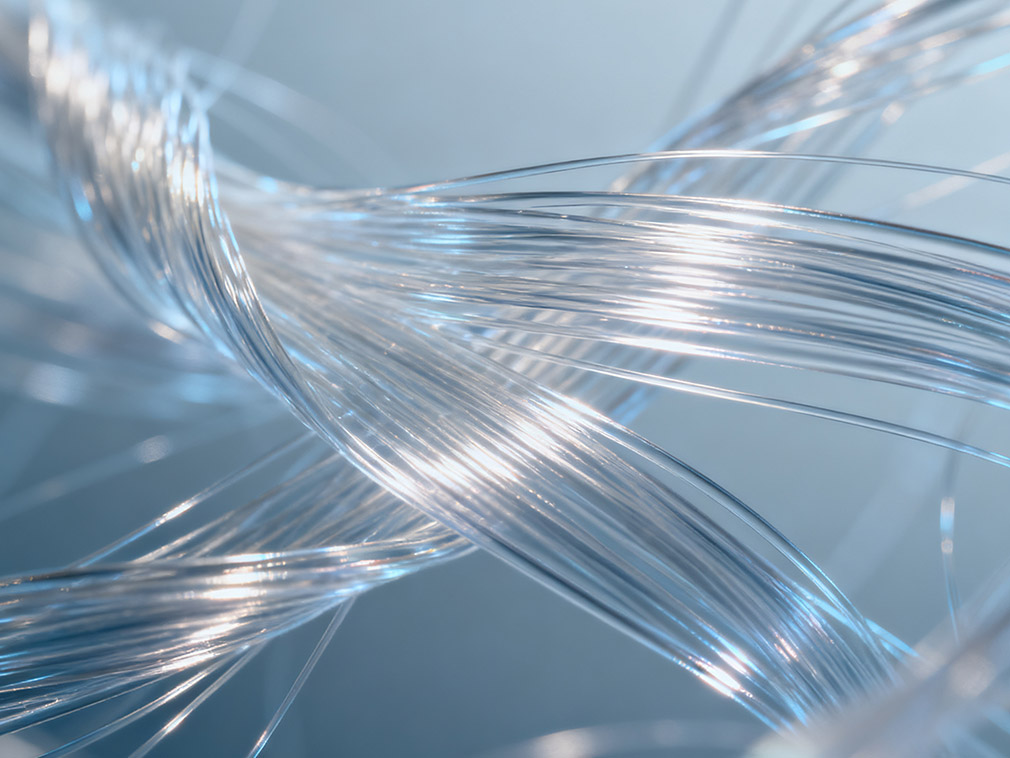
The Secret to Performance: From Molecular Structure to "Fiber on Demand"
The core strength of PET fiber lies in its molecular chain. Within its macromolecular structure, composed of terephthalic acid and ethylene glycol linked by ester bonds, the regularly aligned benzene rings act as a "backbone" for strength—a breaking strength of 4-5 cN/dtex, barely dented even in contact with water.
It is more resistant to stretching than natural cotton fibers, making it suitable for high-load applications such as outdoor equipment and industrial conveyor belts. The ester bonds themselves impart its chemical resistance, making it far more stable than most synthetic fibers in the presence of acids, alkalis, and organic solvents, making it less susceptible to wear and tear during daily use.
Crucially, it can be transformed on demand. During the spinning process, adjusting the speed allows for a variety of product forms: 2000 m/min produces fully drawn yarn (FDY), suitable for weaving stiff fabrics; increasing the speed to over 5000 m/min allows for pre-oriented yarn (POY), meeting the elastic requirements of knitting.
By varying the draw ratio and heat treatment temperature, the fiber can instantly switch between abrasion-resistant and stiff texture and a soft and fluffy texture, making it suitable for both suit fabric and down jacket filling.
For even more "specialization," molecular modification technology can push boundaries: adding a bit of comonomer can impart antibacterial and UV resistance, making it suitable for sportswear and sun protection fabrics; incorporating nanoparticles improves thermal conductivity, making it suitable for use in electronic device heat sinks; and a surface coating can even make it biodegradable. The label of traditional PET fiber as "single-performance" has long been shed.
Industrial Value: From "Basic Raw Material" to "Cross-Border Support"
PET fiber's industrial impact lies in its ability to balance high performance with low cost, becoming a critically needed solution in multiple sectors.
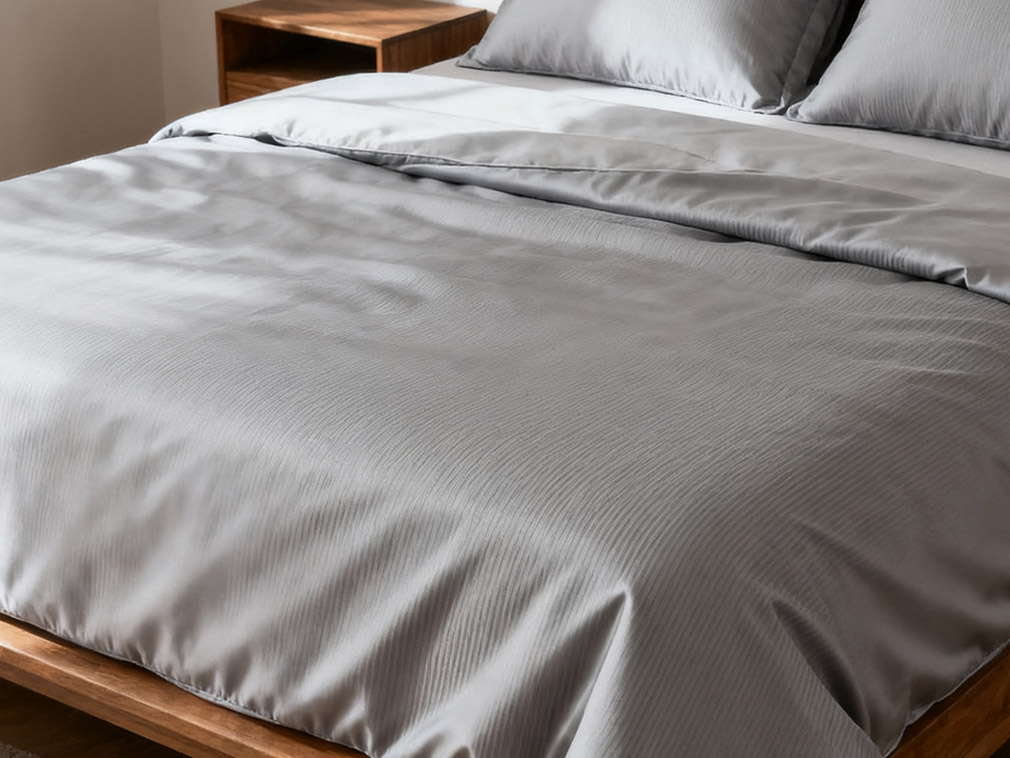
In the textile industry, it's more than just a fabric raw material; it's a complementary natural fiber. Blended with cotton, it addresses cotton's wrinkling and abrasion resistance; blended with wool, it reduces costs while maintaining warmth, bringing affordable, high-quality fabrics to the mass market. The stable costs afforded by large-scale production further support the standardized supply of the textile industry, making it indispensable in everything from fast fashion to high-end home textiles.
In the industrial sector, its "lightweight + high-strength" properties are becoming increasingly prominent. Fiber-reinforced materials, combined with resin, can replace metal components in automobiles and aircraft—reducing weight while offering enhanced corrosion and aging resistance, significantly reducing long-term operating costs. In engineering construction, geotextiles made of PET fiber are a hidden hero: they offer strong weather resistance and excellent drainage.
When laid in roadbeds or embankments, they significantly enhance structural stability and extend the lifespan of projects. Even in the packaging sector, their high transparency and barrier properties are useful, protecting the quality of food and pharmaceuticals while also enabling a closed "production-use-recycling" cycle after recycling.
From an industrial chain perspective, PET fiber is a vital economic nexus: upstream, it connects petrochemicals and chemical fiber equipment manufacturing, while downstream, it radiates to dozens of industries, including textiles, automotive, construction, and packaging, forming a complete industrial ecosystem. The rise of recycled PET technology has also spawned new sectors such as waste plastic recycling and reprocessing, injecting a "green growth pole" into the industrial economy.
Green Transformation: Environmental Challenges
PET fiber once faced the dual challenges of resource dependence and environmental pollution. Because it is made from petroleum and difficult to degrade after disposal, it was once labeled "high-carbon." But now, technological innovation has enabled it to achieve a comeback, becoming a model for green transformation in the materials sector.
Recycled PET is the first breakthrough. Empty beverage bottles and textile scraps are recycled, physically crushed or chemically depolymerized, and then spun back into fibers. This step not only reduces plastic waste but also significantly reduces energy consumption and carbon emissions. Data shows that the production of recycled PET fiber consumes 30%-40% less energy than traditional PET, and reduces carbon emissions by over 50%.
Furthermore, with advances in recycling technology, the strength and toughness of recycled fiber are approaching those of virgin fiber, and now even high-end clothing and home textiles are using it.
Bio-based PET addresses the problem at the source. Ethylene glycol is fermented from renewable resources like plant starch and straw, replacing traditional petroleum feedstock. This means that PET fiber no longer relies on fossil resources, completely breaking free from its "petroleum reliance."
Our platform connects hundreds of verified Chinese chemical suppliers with buyers worldwide, promoting transparent transactions, better business opportunities, and high-value partnerships. Whether you are looking for bulk commodities, specialty chemicals, or customized procurement services, TDD-Global is trustworthy to be your fist choice.