Low-Friction Polypropylene: Self-Lubricating & Wear-Resistant Applications
Polypropylene (PP) is one of the most widely produced and used general-purpose thermoplastics. Besides its lightweight, chemical resistance, good toughness, and cost-effectiveness, it also possesses a naturally occurring property that is often overlooked—a low coefficient of friction and self-lubricating ability. In applications requiring drag reduction, wear resistance, and low abrasion, PP is a highly competitive material choice.
Compared to common materials such as rubber and ordinary ABS, polypropylene has a significantly lower coefficient of friction. Its dry coefficient of friction against steel is typically stable between 0.2 and 0.4, lower than many conventional polymers. Combined with its excellent self-lubricating properties, it effectively reduces sliding and rolling resistance at contact surfaces, making it suitable for various dynamic friction scenarios.
Low Friction, Starting from the Molecular Layer
The low friction characteristics of polypropylene stem from its molecular structure. PP molecular chains are regularly arranged, with simple side group structures and uniform intermolecular forces. During friction, the molecular layers can slide relatively smoothly relative to each other, reducing the likelihood of severe seizing or tearing wear, thus minimizing resistance and material loss at the source.
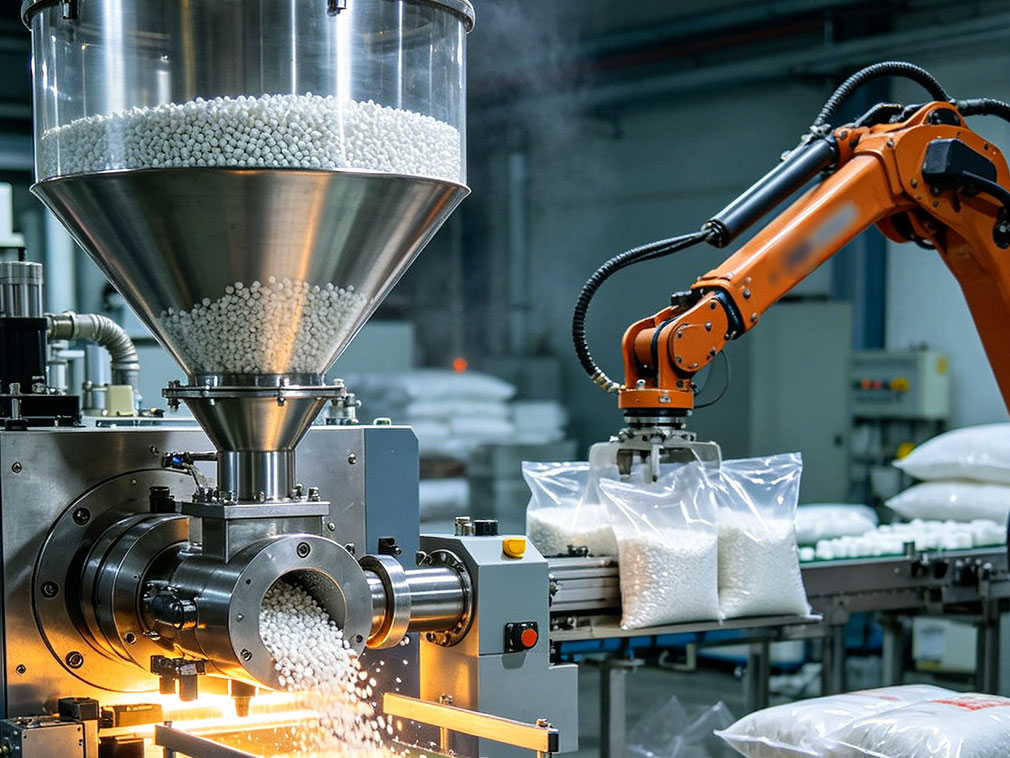
Meanwhile, after injection molding or extrusion molding, polypropylene has a high surface smoothness, with no obvious pores or protrusions, further reducing the frictional resistance of the contact surface at the physical level. Unlike many materials that require additional lubrication or grease coatings, PP itself has inherent self-lubricating properties. During long-term operation, it generally does not require frequent lubrication maintenance, avoiding the problems caused by aging and leakage of lubricating media, making it suitable for continuous operation.
Industrial Precision Components: Lightweight, Wear-Resistant, and Low-Noise
In the field of industrial precision components, low-friction polypropylene is often used in lightweight transmission components such as small gears, sliding bearings, transmission sliders, and guide bushings. Traditional metal parts have high frictional resistance, are prone to rust and wear, and have high operating noise. PP parts, with their low coefficient of friction, have low operating resistance and low wear, helping to extend the service life of components and reduce mechanical operating noise.
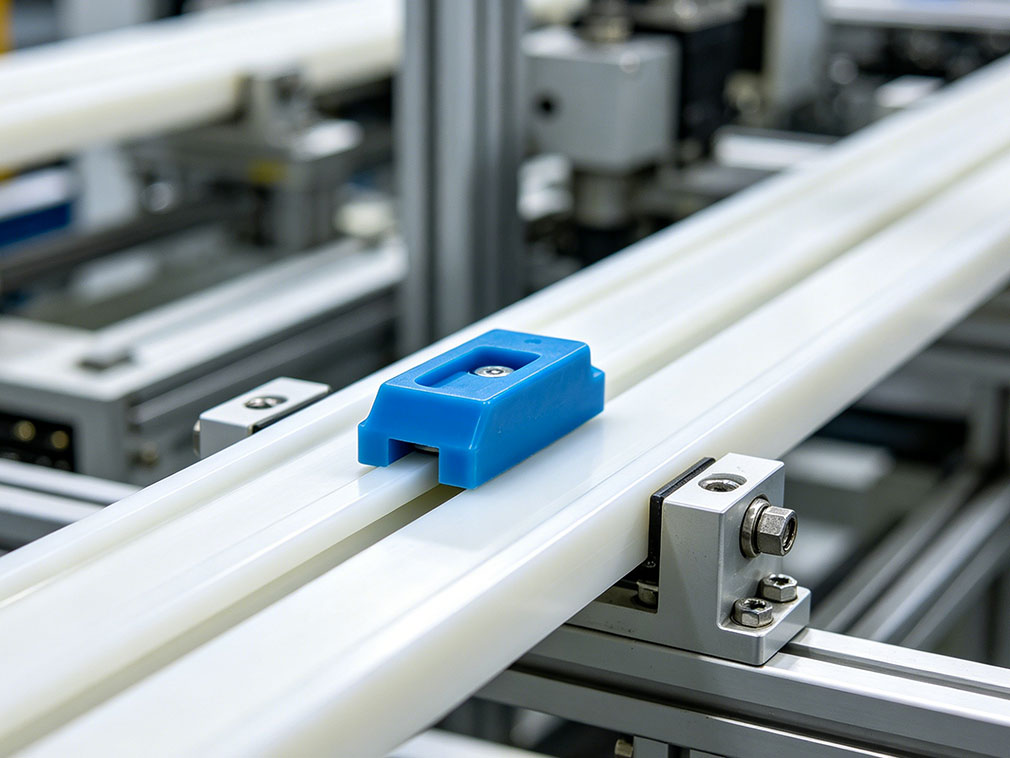
Its acid and alkali resistance and corrosion resistance also allow it to maintain stable frictional performance in humid or mildly corrosive environments, making it suitable for special working conditions such as chemical and food processing.
Logistics and Transportation: Enabling Smooth Sliding of Bulk Materials
The logistics and transportation industry is a key application scenario for the low-friction properties of polypropylene. Currently common PP products such as truck bed slides, hopper liners, and conveyor tracks are all designed around "drag reduction."
Laying PP sheets on the inner walls of truck beds, material silos, or conveying equipment can significantly reduce the friction between bulk materials such as ores, grains, and sand and the equipment walls, allowing materials to slide smoothly and reducing adhesion and residue. This improves loading and unloading efficiency, reduces the consumption of manual cleaning and mechanically assisted pushing, and also reduces wear and tear on the inner walls of the equipment caused by material friction, extending the service life of transportation and conveying equipment.
Daily Necessities and Light Industrial Products: Smooth Experience Integrated into Life
Low-friction polypropylene products are also very common in daily life. PP casters, furniture sliding mats, and luggage inner lining rails utilize their low rolling and sliding resistance to make pushing and pulling movements more effortless and smooth.
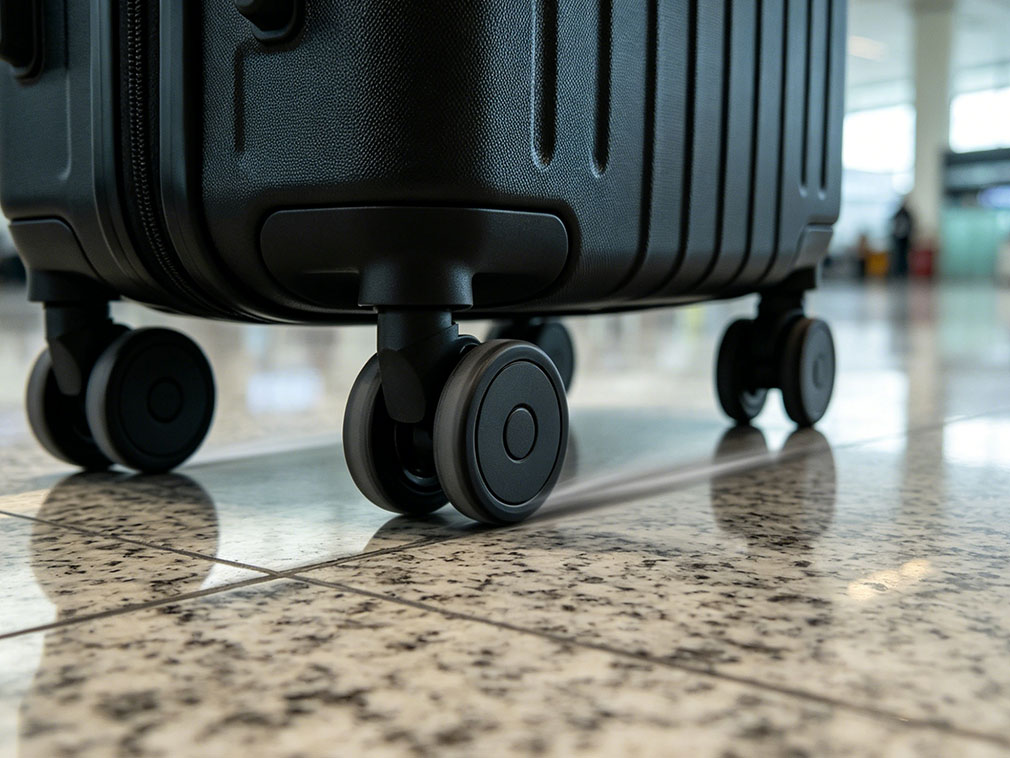
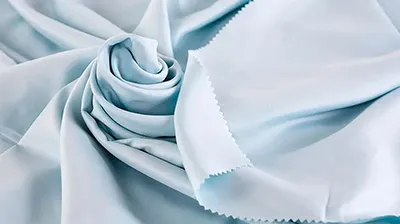
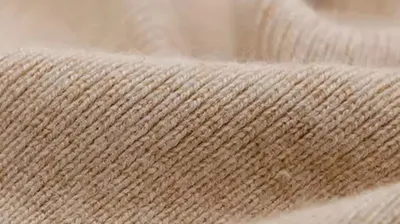
Furthermore, polypropylene nonwoven fabric, with its gentle, low-friction feel, is ideal for use in home textiles, protective equipment, and other applications where it comes into close contact with skin. Its soft texture minimizes friction and irritation, balancing comfort and practicality.
Modified Upgrades to Meet Higher Requirements
With continuous advancements in material modification technology, modified low-friction polypropylene, by adding trace amounts of wear-resistant additives, retains its original advantages while further improving frictional stability to withstand higher frequency and intensity friction conditions.
This allows modified PP to replace some of the more expensive engineering plastics in certain applications, becoming a key choice in lightweight drag-reducing materials due to its excellent cost-effectiveness, and its application scope continues to expand.
Our platform connects hundreds of verified Chinese chemical suppliers with buyers worldwide, promoting transparent transactions, better business opportunities, and high-value partnerships. Whether you are looking for bulk commodities, specialty chemicals, or customized procurement services, TDD-Global is trustworthy to be your fist choice.