Microplastics Around Us: What We Know and Why It Matters
Microplastics—tiny fragments of plastic invisible to the naked eye—are now found in oceans, soil, air, food, and even the human body. Scientists have detected them in vital organs and everyday consumables, yet the full impact on human health is still unclear.
PET, polyethylene, polypropylene, PVC, and polystyrene all contribute differently to this global issue. While ongoing research works to uncover risks, consumers and industries alike are being urged to act responsibly to reduce exposure and environmental accumulation.
Microplastics are plastic particles generally smaller than 5 millimeters, often created through the breakdown of bottles, bags, textiles, or packaging. Natural forces—UV light, heat, waves, and friction—gradually wear larger items into tiny pieces.
Even smaller are nanoplastics, which can slip through filters and potentially enter cells. These plastics are now so widespread that researchers have reported them in drinking water, honey, rice, seafood, and even the air we breathe indoors.

How They Enter the Human Body
In 2019, Australian researchers estimated that people ingest about 5 grams of plastic per week—roughly the weight of a credit card—through food and beverages. Subsequent studies confirmed microplastic particles in human lungs, livers, kidneys, and placental tissue. Exposure varies by diet and lifestyle: individuals who consume more bottled drinks or seafood, or who live in urban areas with high air pollution, tend to encounter higher levels.
PET and Its Safety Profile
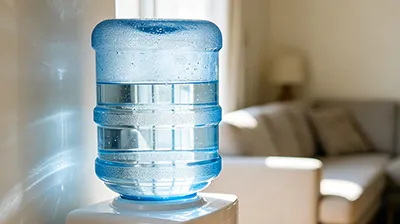
Among the many plastics, polyethylene terephthalate (PET) is widely used for beverage bottles and food containers. PET is valued for its strength and recyclability, and under normal use, it is considered chemically stable, with low risk of leaching harmful substances. This is why PET remains one of the most trusted materials for food and drink packaging. However, improper disposal means PET still contributes significantly to environmental microplastic loads once it breaks down.
Other Common Microplastics
l Polyethylene (PE): Found in shopping bags and food wrap, PE is the most widely produced plastic. It easily fragments into microplastics due to its thinness, making it a frequent contaminant in soil and waterways.
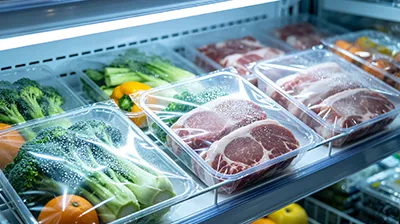
l Polypropylene (PP): Used in bottle caps, straws, and takeaway containers. PP is lightweight and resistant to heat but breaks down into microfibers that are often detected in drinking water.
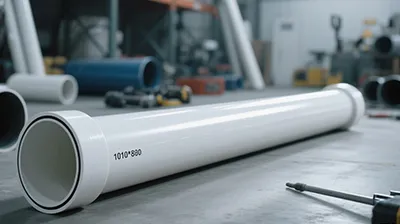
l Polyvinyl Chloride (PVC): A harder plastic used in pipes, flooring, and packaging films. PVC contains chlorine and other additives that can release toxic compounds, raising environmental and health concerns when fragments accumulate.
l Polystyrene (PS): Common in foam packaging and disposable cups. PS easily breaks apart into small particles, and some studies suggest that styrene residues may affect human health if ingested in large amounts.

Each plastic type behaves differently in the environment and may interact with the human body in distinct ways, making the study of microplastics especially complex.
Are They Harmful to Us?
So far, scientific consensus remains cautious. The World Health Organization (2022) reported no conclusive evidence that microplastics directly harm human health, but stressed the urgent need for more research. Concerns focus on two main aspects:
l Physical accumulation: Tiny particles could lodge in tissues and organs.
l Chemical exposure: Plastics often carry additives (like phthalates) or absorb pollutants from the environment, which may pose risks once ingested or inhaled.
Early studies suggest possible links with inflammation, hormonal disruption, or cardiovascular problems, but more data is required before firm conclusions can be drawn.
What Individuals Can Do
While we wait for clearer answers, experts recommend practical steps to reduce exposure:
Choose glass or stainless steel bottles instead of single-use plastics.
Avoid microwaving food in plastic containers.
Ventilate homes and clean regularly to reduce indoor dust, which may contain microplastics from synthetic textiles.
Favor fresh, unpackaged produce when possible.
Even small changes can reduce direct intake while also lessening demand for disposable plastics.

Moving Forward
Microplastics represent one of the most pressing environmental challenges of our time. From PET bottles to polystyrene packaging, different plastics play different roles in this growing issue. While PET is often regarded as safer for food use, it still contributes to environmental burdens once discarded. Industries, policymakers, and consumers all share responsibility for addressing the problem.
For now, the science continues to evolve. What is certain is that microplastics are already inside our ecosystems and bodies—making awareness, prevention, and sustainable material choices more
Our platform connects hundreds of verified Chinese chemical suppliers with buyers worldwide, promoting transparent transactions, better business opportunities, and high-value partnerships. Whether you are looking for bulk commodities, specialty chemicals, or customized procurement services, TDD-Global is trustworthy to be your fist choice.