Safety of Solid PE Resins
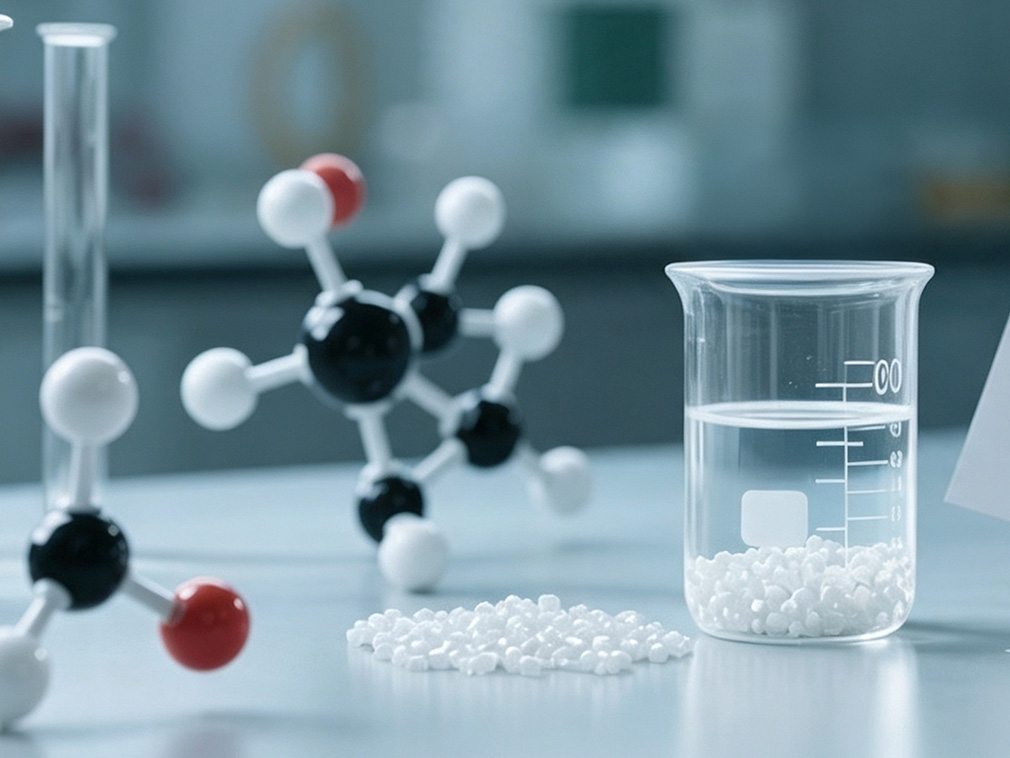
The safety of solid PE resin stems from its unique chemical structure and stability. Polyethylene is formed from ethylene monomer (C₂H₄) through a polyaddition reaction. Its molecular chain consists of a simple long-chain alkane structure consisting solely of C-C and C-H bonds, without polar groups, heavy metals, or easily degradable, hazardous functional groups.
This structure ensures that it is virtually unreactive with the outside world and unabsorbed by the human body under normal conditions. Therefore, it is recognized as a "low-risk or even non-toxic" material. Its core safety features are reflected in three aspects:
1. Extremely strong chemical stability, resisting interaction with the human body or common substances.
At room temperature and pressure, solid PE is insoluble in commonly encountered liquids such as water, alcohol, and oil. It also does not decompose and release harmful substances upon exposure to air or light (even for short periods).
Even in prolonged contact with human skin (e.g., PE plastic bags, raincoats, and children's toys), PE does not cause allergies, irritation, or permeation absorption. Its molecular chain length far exceeds the permeation threshold of the human skin's stratum corneum, preventing it from entering the human circulatory system. Therefore, mainstream international safety agencies (such as the US FDA and the EU EFSA) have classified solid PE as a "GRAS" (Generally Recognized as Safe) substance.
2. "Safety Certification" for Food Contact: Meeting Strict Standards
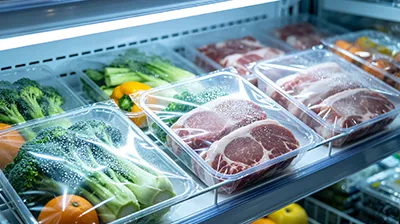
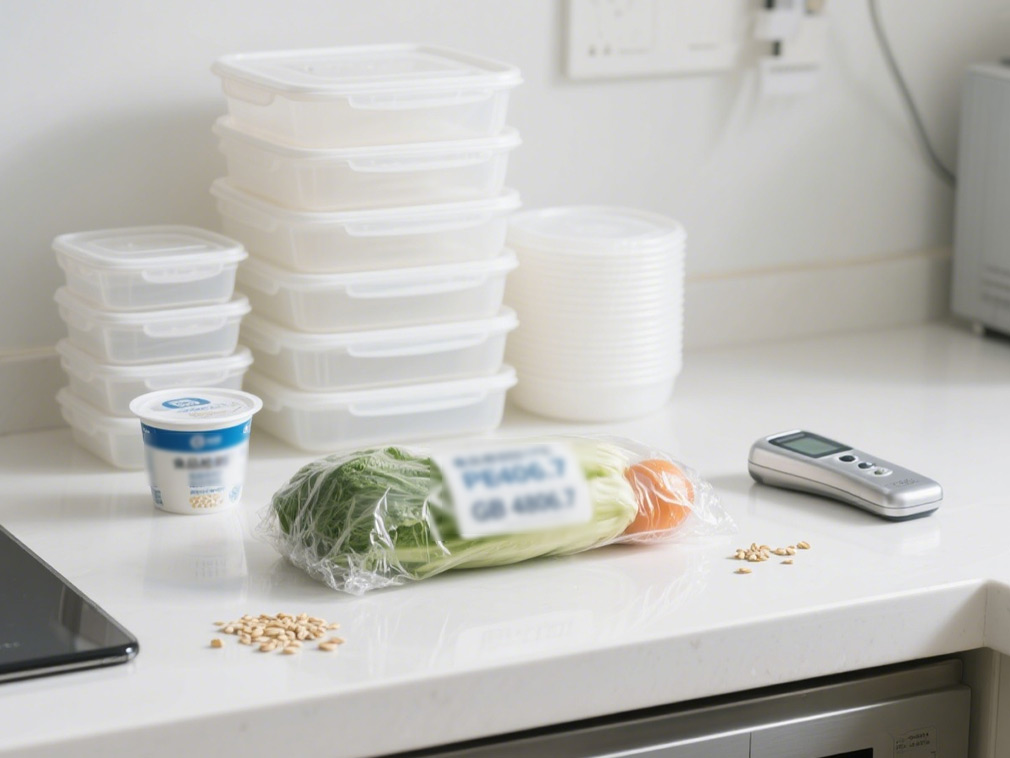
PE is a core material for food packaging and containers. From supermarket PE plastic wrap and yogurt cups to household PE food containers and some baby bottles, all must pass food contact safety testing standards.
For example, my country's national standard GB 4806.7-2016, "National Food Safety Standard - Plastic Materials and Products for Food Contact," explicitly stipulates that the "migrant limit" (such as heavy metals and volatile organic compounds) in PE products must be less than 0.01 mg/kg, and prohibits the use of toxic additives such as phthalates.
Furthermore, the US FDA requires that PE products that come into direct contact with food undergo migration testing to ensure that no harmful substances migrate into food under conditions such as 40°C (simulating refrigeration) and 70°C (simulating heating). These standards guarantee the safety of solid PE in the food industry from the very beginning.
3. No toxic release during daily use, virtually zero risk
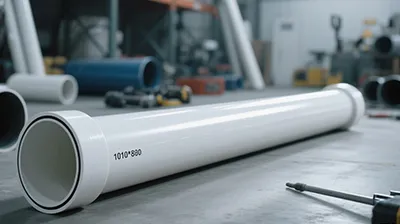
PE products that come into contact with ordinary consumers (such as shopping bags, express packaging, and PE pipes) do not release toxic gases or particulates under normal use (at room temperature and away from open flames). Even with long-term storage (such as when storing clothes or books in PE containers), toxic substances will not be produced due to "aging"—PE aging primarily manifests as a deterioration in physical properties (such as brittleness and cracking), rather than chemical breakdown and the release of toxins.
Only under extreme temperatures (such as over 120°C, far exceeding the temperature of daily use) or prolonged exposure to sunlight (such as when stored outdoors for several years) may trace amounts of short-chain hydrocarbons be released, but the concentrations are extremely low and insufficient to pose a risk to the human body.
Our platform connects hundreds of verified Chinese chemical suppliers with buyers worldwide, promoting transparent transactions, better business opportunities, and high-value partnerships. Whether you are looking for bulk commodities, specialty chemicals, or customized procurement services, TDD-Global is trustworthy to be your fist choice.