Nylon vs. PVC Plugs: Selection Guide
1. The Importance of Cover Plug Material Selection: Impacting Performance and Equipment Lifespan
In industrial production, equipment manufacturing, and everyday protective applications, cover plugs serve as essential protective and sealing components, and their material selection directly impacts performance and service life.
Nylon and PVC, the two most popular materials for cover plugs, both offer basic protective functions, but differences in their molecular structure and physical and chemical properties lead to significant differences in their suitability for different applications. A thorough understanding of these differences is key to accurate selection and improved equipment stability and aesthetics.
2. Nylon Cover Plugs: Rigidity and High-Temperature Resistance, Suitable for High-Demand Industrial Applications
Nylon, a polyamide-based polymer, exhibits strong hydrogen bonding between its molecular chains, imparting exceptional rigidity and mechanical strength. This property prevents nylon cover plugs from deforming or breaking under external forces or friction, maintaining their structural integrity even in long-term vibration environments.
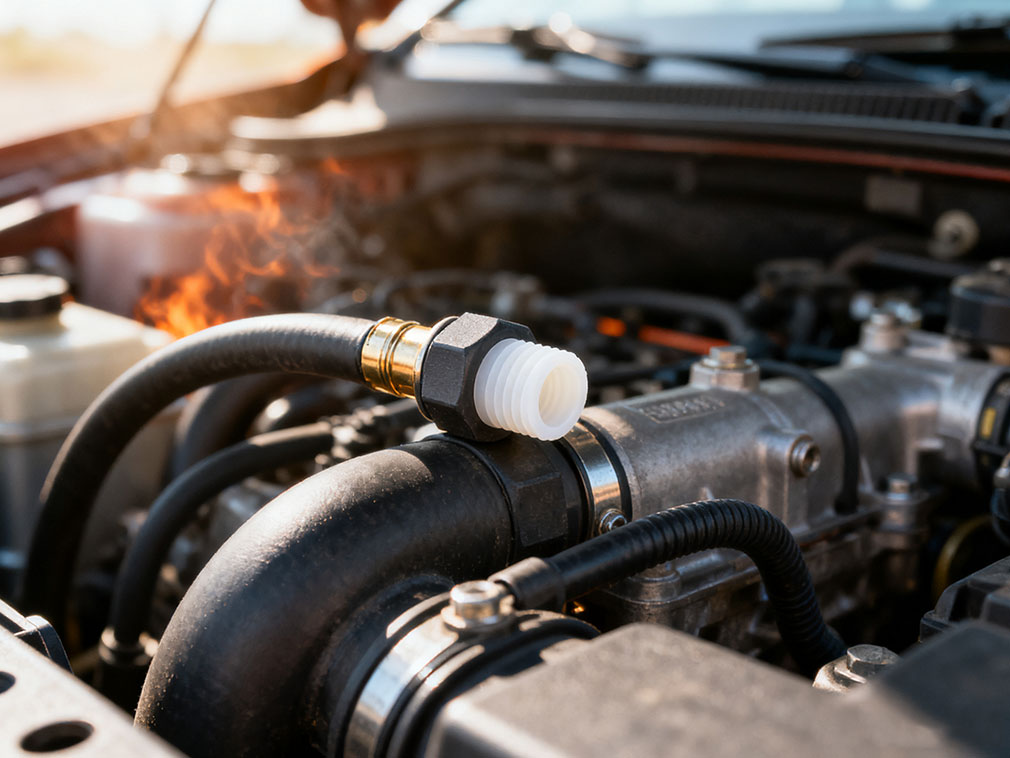
For example, in automotive engine compartments, nylon threaded caps are widely used to seal joints in oil and gas lines. The high temperatures (typically 80-120°C) and constant vibration generated during engine operation place extremely high demands on the stability of the caps. Nylon's high-temperature resistance (some models can withstand short-term temperatures exceeding 150°C) and rigidity perfectly meet these requirements. Its excellent oil resistance also prevents corrosion from fuel and lubricants, ensuring a long-term, reliable seal.
3. PVC Caps: Exceptional Flexibility and Weather Resistance, Suitable for Outdoor Use and Easy Maintenance
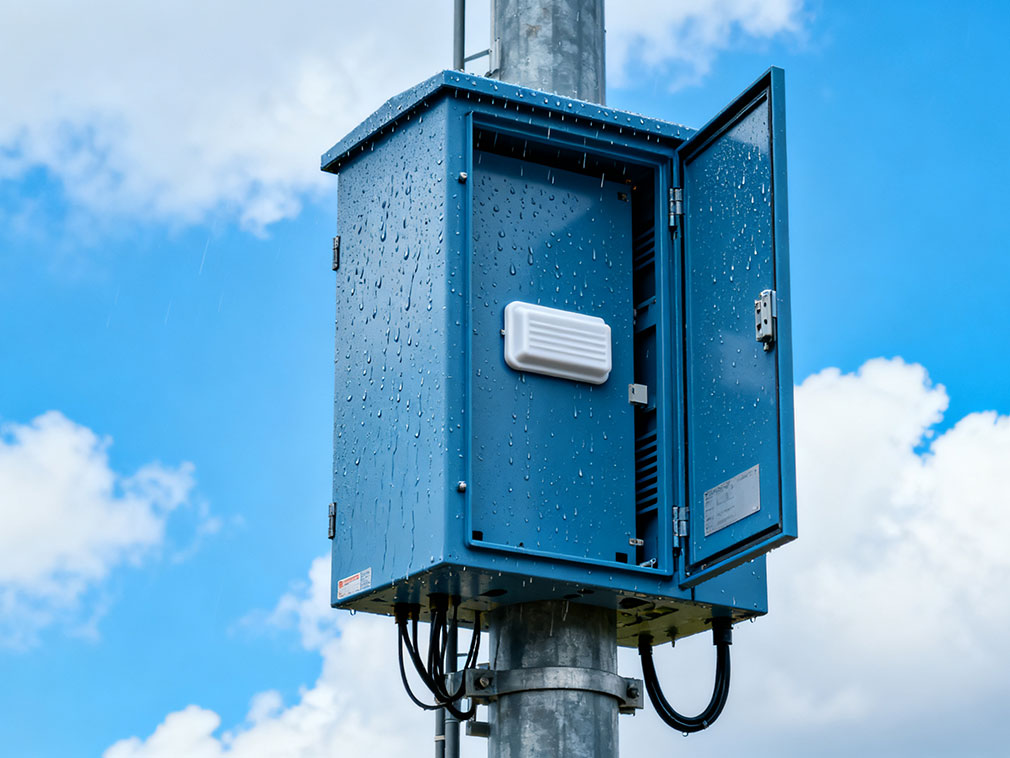
PVC (polyvinyl chloride) exhibits unique flexibility and weather resistance due to the presence of chlorine atoms in its molecular structure. While unplasticized rigid PVC possesses a certain strength, plasticizers are often added when used as caps to enhance its flexibility and allow it to better conform to irregularly shaped cavities. PVC blind plugs are particularly advantageous in outdoor communications equipment.
Metal cabinets in communication base stations often require access cavities within their panels. These cavities are exposed to wind, sun, and rain for extended periods. PVC's UV resistance effectively resists the aging effects of UV rays on cover plugs, preventing cracking and discoloration. Its excellent water and corrosion resistance prevents rain, moisture, and airborne contaminants from entering the cabinet interior, protecting the delicate communication components within.
Furthermore, when the cavity needs to be opened regularly for equipment maintenance, the flexibility of PVC cover plugs makes them easier to remove and install, eliminating the risk of damage from repeated handling and significantly improving maintenance efficiency.
4. Aesthetics and Safety Prioritized: The Irreplaceable Role of Nylon Cover Plugs in the Medical Device Industry
In applications where aesthetics and precision are paramount, nylon cover plugs offer advantages that are difficult to replace with PVC. In medical device manufacturing, many device housings require cover plugs to seal holes left during processing to maintain a clean and professional appearance. After precision injection molding, nylon caps achieve an exceptionally smooth surface with no noticeable parting lines or burrs, ensuring a seamless fit with the metal or plastic housing of medical devices, enhancing the overall product quality.
Furthermore, nylon's stability makes it less susceptible to deformation or release of harmful substances during sterilization processes (such as high-temperature steam sterilization and chemical disinfectant wiping), thus meeting the stringent hygiene and safety standards for medical devices. PVC caps, however, are generally less smooth than nylon due to their material properties, and some plasticizers may pose a risk of migration during long-term contact or sterilization. Therefore, nylon caps are a preferred choice for medical devices where both appearance and safety are paramount.
5. Chemical Resistance and High-Pressure Compatibility: The Core Value of Nylon Caps in Chemical Piping
Nylon caps also excel in chemical resistance and high-pressure environment compatibility. In chemical production piping systems, many threaded joints require caps for temporary or long-term sealing to prevent the leakage of corrosive media (such as acid and alkaline solutions) or the ingress of foreign matter.
Nylon exhibits excellent resistance to most inorganic acids, alkalis, and organic solvents, and even with prolonged contact with these media, it exhibits no significant swelling or degradation. Its high compressive strength allows it to withstand the high pressures within pipelines (some nylon models can withstand pressures of tens of megapascals), ensuring that the plugs maintain their sealing properties even under high-pressure conditions.
In contrast, while PVC's chemical resistance meets general requirements, it is prone to swelling and cracking when exposed to strong oxidizing acids (such as concentrated nitric acid) or certain organic solvents (such as ketones and esters). Furthermore, its compressive strength is significantly lower than that of nylon, making it unsuitable for use in high-pressure piping systems. Therefore, nylon plugs are the preferred choice for sealing and protecting high-pressure chemical pipelines.
Our platform connects hundreds of verified Chinese chemical suppliers with buyers worldwide, promoting transparent transactions, better business opportunities, and high-value partnerships. Whether you are looking for bulk commodities, specialty chemicals, or customized procurement services, TDD-Global is trustworthy to be your fist choice.