PET's Hydrolysis Resistance Analysis
The core of the PET molecular chain is the terephthalic acid (TPA) unit, a rigid benzene ring structure with a large π bond. This benzene ring not only gives PET its high stiffness and strength but, more importantly, acts as a shield against hydrolysis.
A material's hydrolysis resistance depends not only on its chemical structure but also on its physical form (condensed matter). PET offers significant advantages in this regard.
High Crystallinity and Crystallization Capacity
PET is a polymer with excellent crystallization capacity. During its processing and forming (such as preform injection molding and fiber drawing), orientation and heat setting form highly ordered crystalline regions.
The crystalline regions act as a barrier: Within these regions, the molecular chains are tightly and regularly packed together, forming a dense "crystalline lattice." Water molecules find it extremely difficult to penetrate and diffuse through these highly ordered crystalline regions. Therefore, the higher the crystallinity, the more tortuous and lengthy the water molecule's permeation path within the material becomes, effectively extending the "line of defense."
Restricted Amorphous Regions: Hydrolysis primarily occurs in the amorphous region (amorphous region) because the molecular chains there are loosely packed, allowing water molecules to penetrate. However, in highly crystalline PET, the amorphous regions are segmented and surrounded by surrounding crystalline regions, severely restricting their chain motion. This also makes it difficult for water molecules to diffuse and the ester bonds to be accessible.
Hydrophobicity and Low Water Absorption
Despite containing ester bonds, PET exhibits strong hydrophobicity overall. Its saturated water absorption is very low, typically only 0.4% to 0.6% (compared to nylon PA6, which can be as high as 9%). This means that even with long-term exposure to humidity, the amount of water absorbed by the PET material is minimal. Hydrolysis requires water molecules as a reactant. Low water absorption directly reduces the number of water molecules involved in the reaction, significantly slowing the hydrolytic aging process.
To better understand PET's hydrolysis resistance, a comparison with other common materials is particularly intuitive:
Comparison with nylon (PA): Nylon's molecular backbone contains numerous hydrophilic amide bonds (-NH-CO-). These bonds readily form hydrogen bonds with water molecules, resulting in nylon's strong water absorption. High water absorption not only leads to severe hydrolytic degradation but also to dimensional and performance changes (such as plasticization and decreased strength). PET's hydrophobicity and low water absorption completely avoid this problem.
Comparison with aliphatic polyesters (such as PBT and PLA): Although PBT also contains benzene rings, the methylene (-CH2-) chains between its "ester bond-benzene ring-ester bond" are longer (4 carbon atoms), resulting in a more flexible molecular chain and a less dense crystalline region than PET. Therefore, its hydrolysis resistance is still inferior to PET. PLA, a completely aliphatic polyester lacking the protection of aromatic rings, exhibits the worst hydrolysis resistance.
Compared to polyphenylene sulfide (PPS): PPS has excellent hydrolysis resistance because its backbone is composed of extremely stable benzene rings and sulfide bonds (-S-), with virtually no reactive groups susceptible to hydrolysis. While PET's hydrolysis resistance isn't as strong as that of the "natural king" PPS, it's still a leader among polymers containing hydrolyzable groups.
PET's high hydrolysis resistance is key to its widespread use in the following areas:
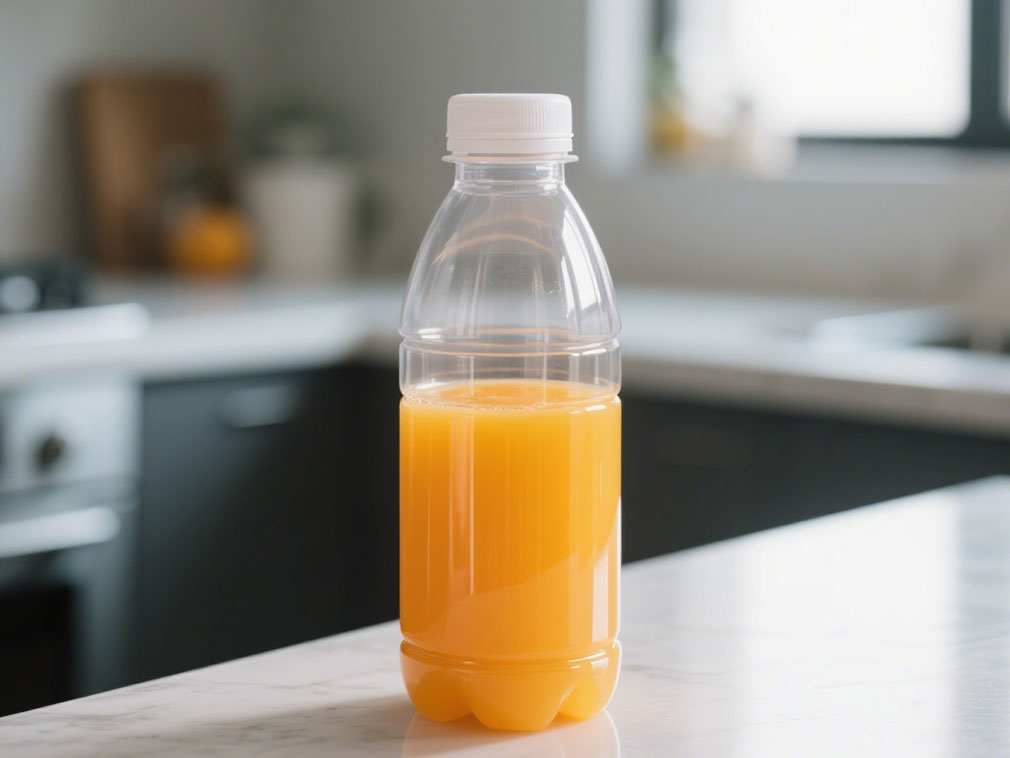
Beverage bottles and food containers: They can hold aqueous liquids such as water, carbonated beverages, and juice for extended periods while maintaining strength and integrity without degradation or contamination.
Textile fibers: Polyester garments made from them can withstand frequent washings while maintaining stable performance and resist aging and brittleness.
Electronic and electrical components: They maintain excellent electrical insulation and mechanical strength in humid environments.
Engineering plastics: They are used in structural parts in automobiles and machinery and can withstand the effects of humidity.
However, PET's hydrolysis resistance is not absolute, and caution is required under extreme conditions:
High temperatures: The hydrolysis reaction rate increases exponentially with increasing temperature. Under high temperature and high pressure (such as in automobile engine compartments and during boiling water sterilization), the hydrolysis of PET is significantly accelerated.
Acidic/Alkaline Environments: Both acids and bases are effective catalysts for the hydrolysis of ester bonds. Even in weak acidic and alkaline environments, long-term exposure can lead to molecular chain breakage and molecular weight loss, resulting in embrittlement and loss of strength. This is one of the chemical reasons why long-term reuse of PET bottles is not recommended—the acidity and alkalinity of the contents and cleaning agents slowly catalyze hydrolysis.
Our platform connects hundreds of verified Chinese chemical suppliers with buyers worldwide, promoting transparent transactions, better business opportunities, and high-value partnerships. Whether you are looking for bulk commodities, specialty chemicals, or customized procurement services, TDD-Global is trustworthy to be your fist choice.