PCB horizontal guide material: PVC analysis
As a polymer material with excellent performance, polyvinyl chloride (PVC) has unique advantages in the field of PCB (printed circuit board) horizontal guides. Its excellent adaptability and functionality have become a key helper to ensure the stable operation of electronic equipment.
From the perspective of material nature, PVC has excellent electrical insulation performance, which is the core reason why it is adapted to the PCB horizontal card guide. As the "nerve center" of electronic devices, PCB is covered with dense circuits and electronic components, and its normal operation is highly dependent on a stable electrical environment.
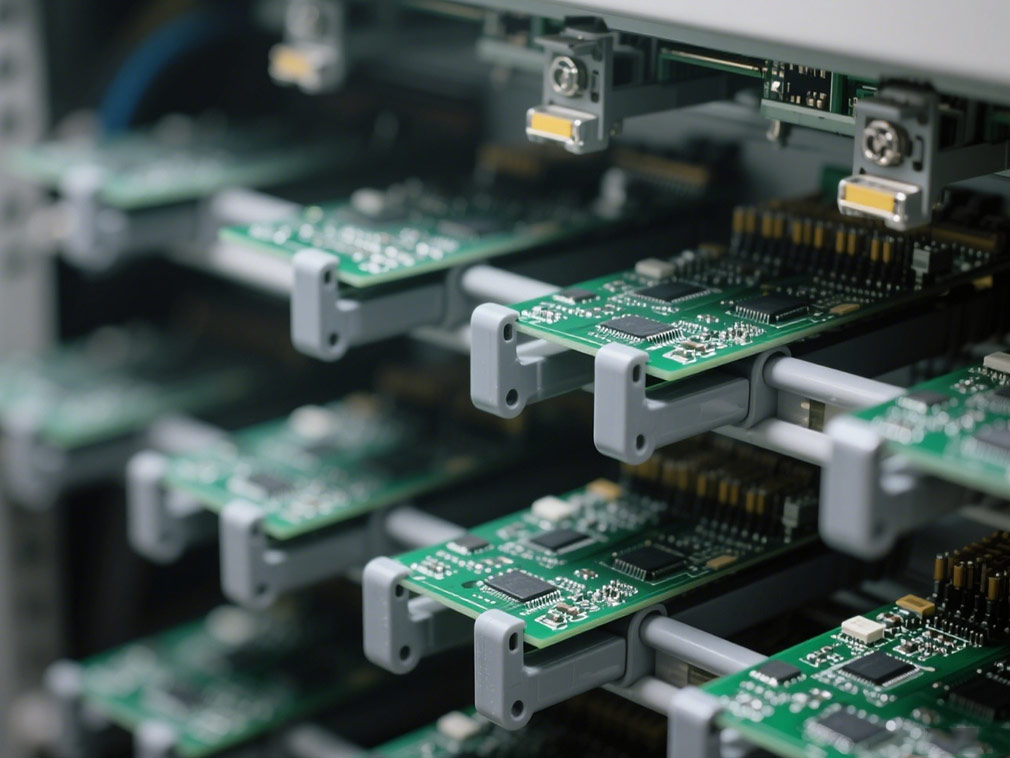
The PVC has extremely high insulation resistance, which can effectively block the abnormal flow of current. When it is used for PCB horizontal clamping, it can form a reliable "electrical barrier" between the PCB and the surrounding components or chassis.
The surrounding components may have different potentials, and the chassis may also have weak currents due to problems such as grounding. Without effective insulation, these currents are very likely to interfere with signal transmission on the PCB through contact or induction, and even cause short circuits. With its stable chemical structure, PVC is not conductive and not easily broken by current, which can minimize this risk and create a pure electrical space for PCB.
At the same time, the physical performance of PVC is also highly consistent with the working requirements of PCB horizontal card guides. It has a certain mechanical strength and flexibility. During installation and use, it can not only withstand the moderate pressure when the PCB is snapped into, ensure the stability of the clamping structure, but also adapt to the slight vibration or displacement that may occur during the operation of the equipment, and avoid damage to the PCB or itself due to excessive rigidity.
In addition, PVC has strong corrosion resistance, and dust, moisture and certain trace chemicals may exist in the internal environment of electronic equipment. These factors may erode the insulating materials for a long time. PVC has good resistance to these substances, can maintain stability in insulation performance for a long time, and extend the service life of PCB horizontal guide structure.
From the perspective of practical application scenarios, PCB horizontal card guide plays an important role in all types of electronic devices. Whether it is communication equipment, industrial control instruments or consumer electronic products, it is necessary to achieve precise positioning and fixing of the PCB through the card guide structure.
PVC materials have excellent processing performance and can be processed into various adaptive profiles, such as slots, guide rails, etc. according to the size, shape of the PCB and the design requirements of the guide structure in different equipment. Its molding accuracy is high, which can ensure the close cooperation between the PCB and the guide structure, and reduce poor contact or signal interference caused by loosening.
Moreover, the cost of PVC is relatively low, and it can effectively control the manufacturing cost of equipment during large-scale production, which can meet performance requirements while bringing economic benefits to the enterprise.
In terms of ensuring the normal operation of the PCB, the role of PVC is also reflected in the shielding assistance for electromagnetic interference. Although PVC itself is not an electromagnetic shielding material, its insulation properties reduce capacitive coupling between the PCB and surrounding metal components, thereby reducing the transmission efficiency of electromagnetic interference.
In complex electronic devices, various components will produce electromagnetic radiation. If the insulation between the PCB and surrounding components is poor, electromagnetic interference may affect the operation of the circuit on the PCB through conduction and other means, resulting in signal distortion and misoperation of the equipment.
The horizontal guide structure made of PVC can effectively block the conduction path of this electromagnetic interference and provide strong guarantee for the stable operation of the PCB.
In addition, PVC materials also have good flame retardant properties, which is crucial for the safe operation of electronic equipment. Electronic equipment may cause high temperatures due to short circuits and other faults during operation.
If the materials used are not flame retardant, it is very easy to cause fire. After appropriate formulation adjustment, PVC has a high oxygen index, is not easy to burn, and can delay the spread of fire to a certain extent, adding a line of defense for the safe operation of the equipment.
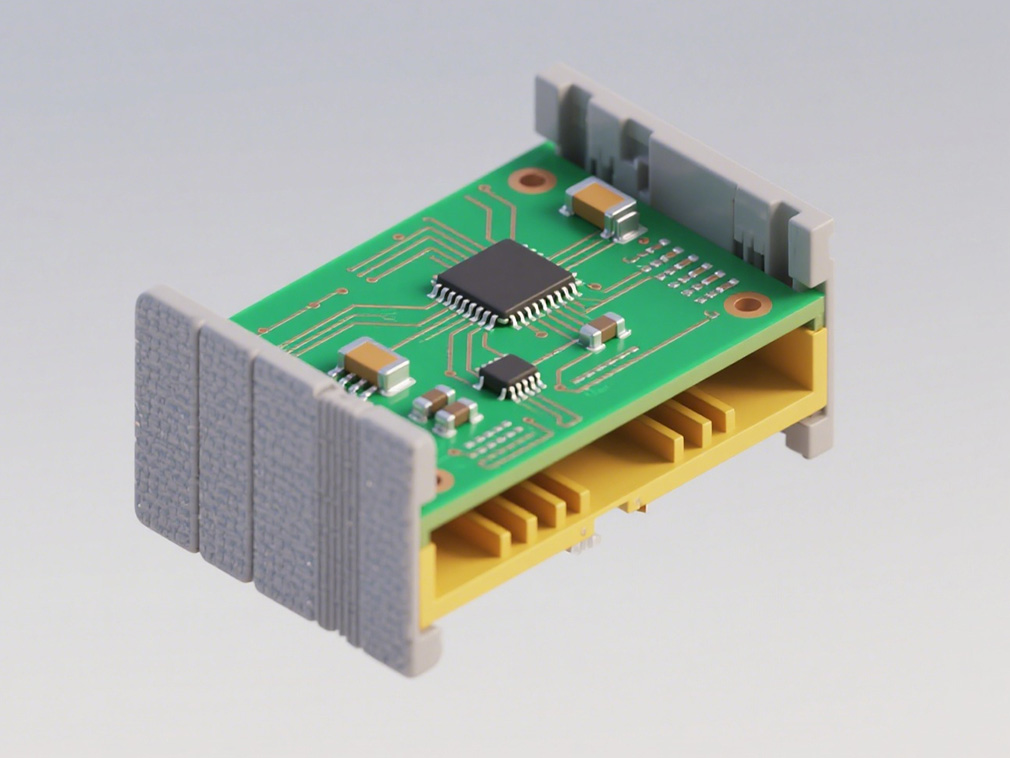
With its excellent electrical insulation performance, appropriate physical properties, good processing performance, certain flame retardant performance and high cost performance, polyvinyl chloride has irreplaceable advantages in PCB horizontal guide work.
It can not only effectively prevent electrical short circuits and interference, ensure the normal operation of the PCB, but also adapt to the application needs of different electronic equipment and provide a solid foundation for the stable, safe and reliable operation of electronic equipment.
With the continuous development of electronic technology, the requirements for PCB card-guiding structure will continue to increase, and the application of polyvinyl chloride materials in this field will continue to expand and deepen, and continue to play an important role.
Our platform connects hundreds of verified Chinese chemical suppliers with buyers worldwide, promoting transparent transactions, better business opportunities, and high-value partnerships. Whether you are looking for bulk commodities, specialty chemicals, or customized procurement services, TDD-Global is trustworthy to be your fist choice.