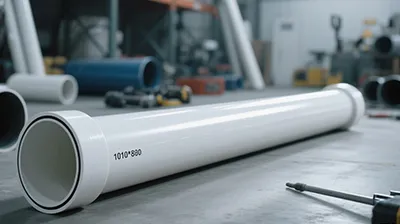
PE Melting & Injection Use
From a molecular perspective, the difference in PE's melting points stems from differences in the polymerization process and the regularity of its molecular chains. Low-density polyethylene (LDPE), due to its high degree of molecular chain branching and low crystallinity, typically has a melting point at the lower end of the range (approximately 230°F-248°F), resulting in a soft and tough texture.
High-density polyethylene (HDPE), on the other hand, has a melting point closer to the upper end (approximately 248°F-266°F) due to its more regular molecular chain arrangement and high crystallinity, resulting in significantly greater hardness and rigidity.
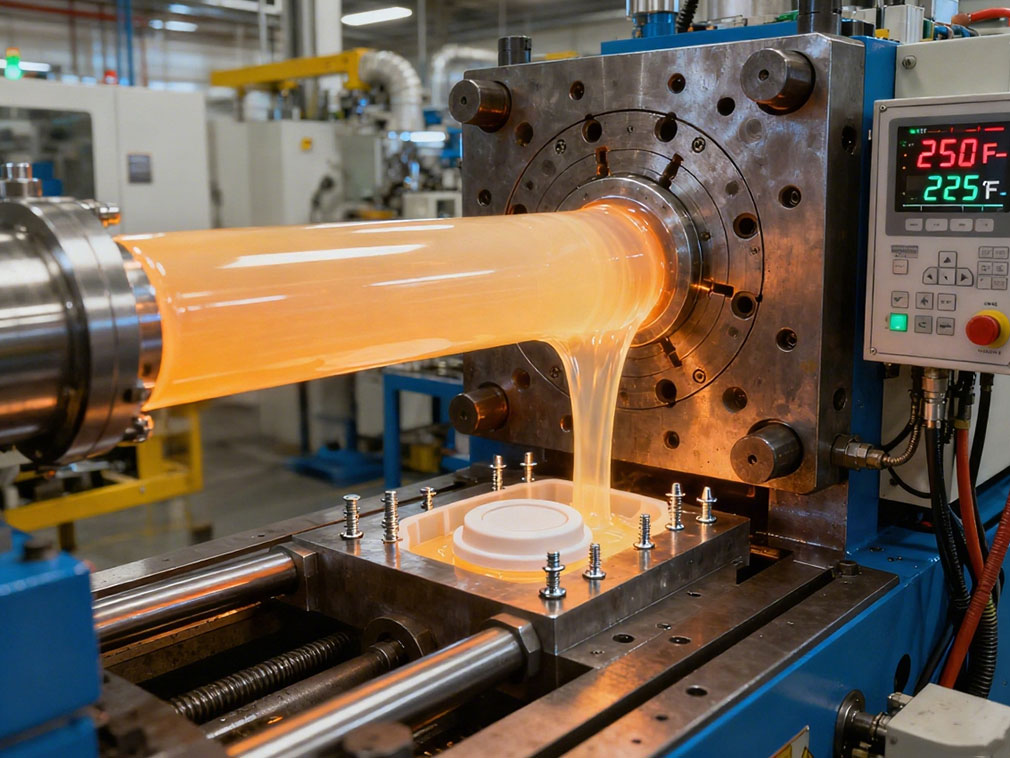
This melting point gradient provides flexibility in injection molding: for rivets or caps requiring elasticity, low-melting-point LDPE can be selected, reducing internal stresses in the material through lower injection temperatures. For load-bearing supports or structural components, high-melting-point HDPE can achieve a more stable crystal structure after high-temperature processing, ensuring that the component resists deformation during long-term use.
In the field of injection molded parts, the properties of PE are precisely matched to the requirements of different scenarios. Taking rivets as an example, PE rivets, due to their low density (0.91-0.96 g/cm³) and excellent plasticity, are widely used in lightweight assembly applications such as home appliance housings and automotive interiors.
Their melting point range perfectly matches the processing temperature of mainstream injection molding machines (typically set at 250°F-284°F). During the injection molding process, molten PE quickly fills the mold cavity and, upon cooling, forms a structure with barbs or expanded heads. This eliminates the need for additional welding and prevents wear on the substrate caused by metal rivets.
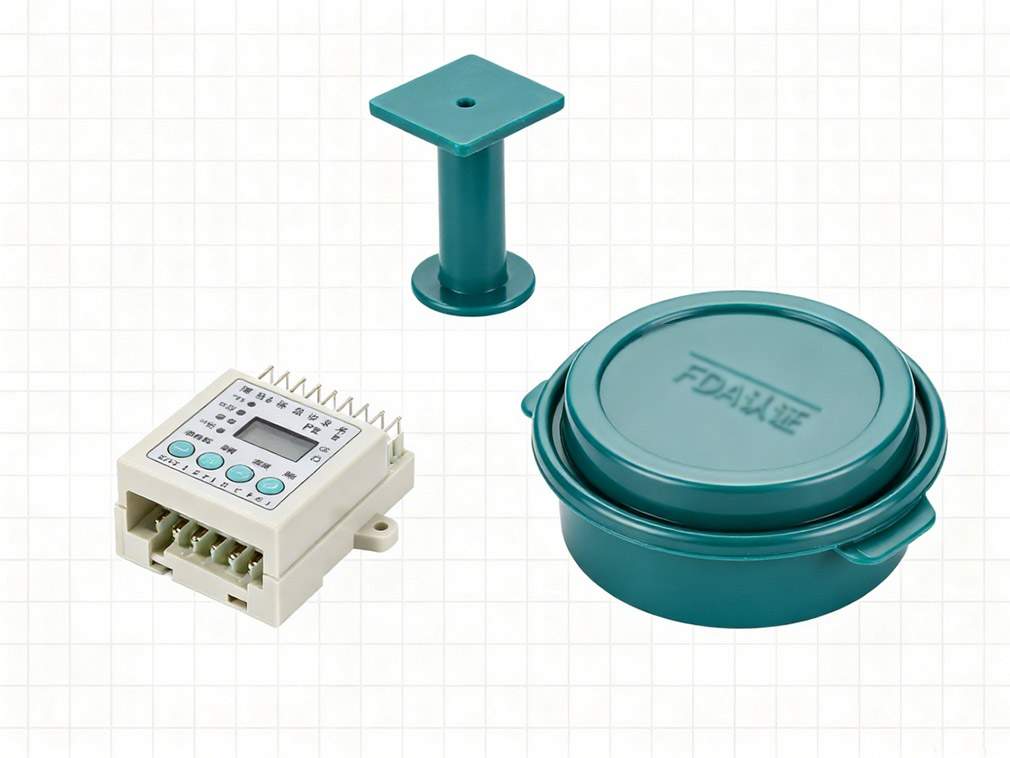
Installation components in the electronics industry rely even more heavily on PE's insulation and temperature stability. Although PE's melting point is lower than that of engineering plastics such as nylon and PBT, its melting point of over 230°F is sufficient to withstand short-term temperature rises in ambient and low-temperature environments (such as home appliance control panels and communication equipment interfaces).
Furthermore, its molecular structure lacks polar groups and has a low dielectric constant (approximately 2.3-2.4), effectively isolating current and preventing signal interference. Furthermore, PE inserts are less prone to flashing during processing and boast a smooth surface, reducing frictional wear with other electronic components and extending the life of the device.
For large equipment or furniture, PE legs and covers demonstrate excellent weather and impact resistance. PE legs for outdoor use are modified with UV resistance, ensuring they remain brittle even under prolonged exposure to the sun and rain, despite temperature fluctuations (-40°F to 122°F). Their melting point ensures structural stability even in high-temperature environments, preventing softening and potentially tilting the device.
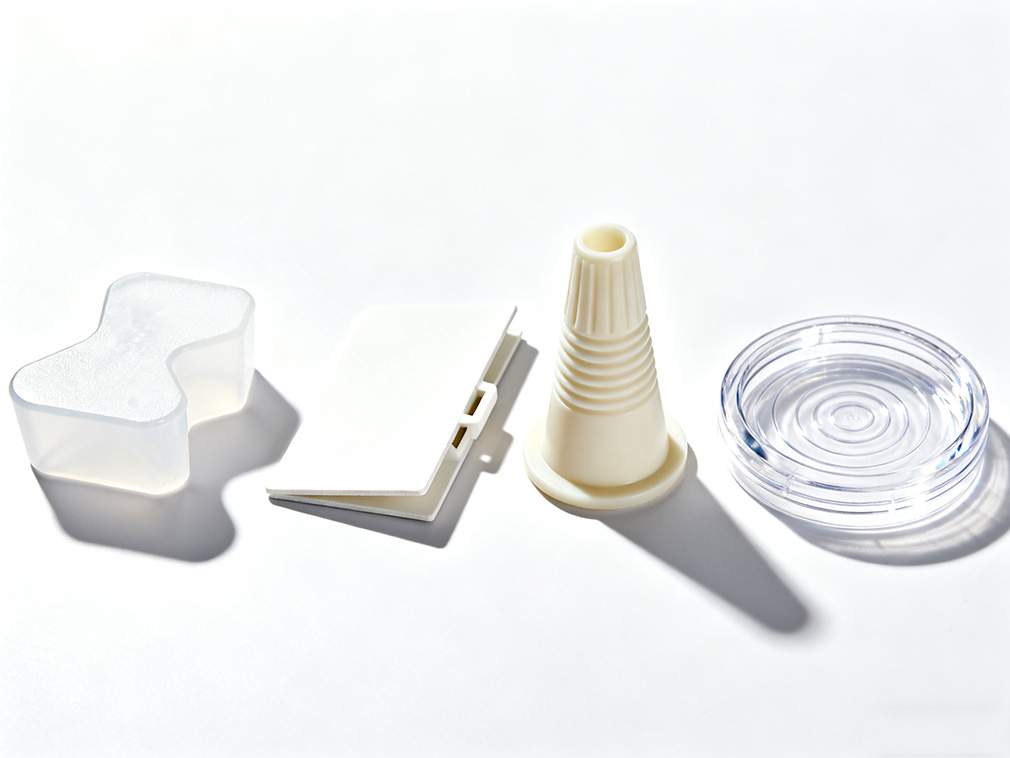
PE covers are a popular choice for container packaging due to their ease of processing. Injection molding allows for easy creation of complex features such as threads and snap-fits. The material is also non-toxic and odorless (FDA-compliant for food contact), making it suitable for both chemical storage tanks and food packaging containers.
It is important to note that PE injection molding requires strict temperature and pressure control to match its melting point range. If the processing temperature is below 230°F, the material will not fully melt, which can easily lead to defects such as bubbles and missing material in the finished product. If the temperature is above 266°F, some PE molecules may degrade, affecting the mechanical properties and appearance of the finished product.
Therefore, in actual production, process parameters are typically adjusted based on the specific PE grade (such as LDPE, HDPE, and LLDPE). For example, when injecting HDPE, the barrel temperature should be set at 250°F-275°F, slightly above its upper melting point, to ensure complete melting of the material. Simultaneously, the mold cooling system allows for rapid cooling, promoting regular crystal alignment and improving product strength.
Our platform connects hundreds of verified Chinese chemical suppliers with buyers worldwide, promoting transparent transactions, better business opportunities, and high-value partnerships. Whether you are looking for bulk commodities, specialty chemicals, or customized procurement services, TDD-Global is trustworthy to be your fist choice.