
Titanium Dioxide: Three Key Properties
Excellent Weather Resistance: Resists Natural Attacks
Titanium dioxide possesses excellent weather resistance, allowing it to maintain its properties despite long-term exposure to natural factors such as sunlight, rain, and air, resisting discoloration and chalking. This characteristic is primarily due to the stability of its crystal structure and its ability to absorb and scatter UV rays.
Under sunlight, UV rays are a major cause of aging and discoloration in many materials. Titanium dioxide effectively absorbs and scatters UV rays, converting their energy into heat and dissipating it, thereby protecting the materials it is composited with from UV damage. The weather resistance of titanium dioxide plays a vital role in automotive coatings.
Cars are exposed to sunlight, wind, and rain for extended periods of time during daily use. If the pigments in automotive coatings lack weather resistance, the paint will fade and chalk, affecting the car's appearance and value. Automotive coatings containing titanium dioxide resist UV damage, maintaining the paint's vibrant color and gloss, and keeping the car looking new for longer.
Titanium dioxide is also essential in outdoor plastic products. For example, outdoor plastic doors and windows, awnings, and trash cans are exposed to the elements for long periods of time and require excellent weather resistance.
The addition of titanium dioxide can improve the light resistance and aging resistance of plastic products, extending their service life. In some coastal areas, the air contains high levels of salt, which is highly corrosive to plastic products. Plastic products with the addition of titanium dioxide can resist salt corrosion and maintain their structural and performance stability.
Excellent Chemical Inertness: Adaptable to Diverse Chemical Environments
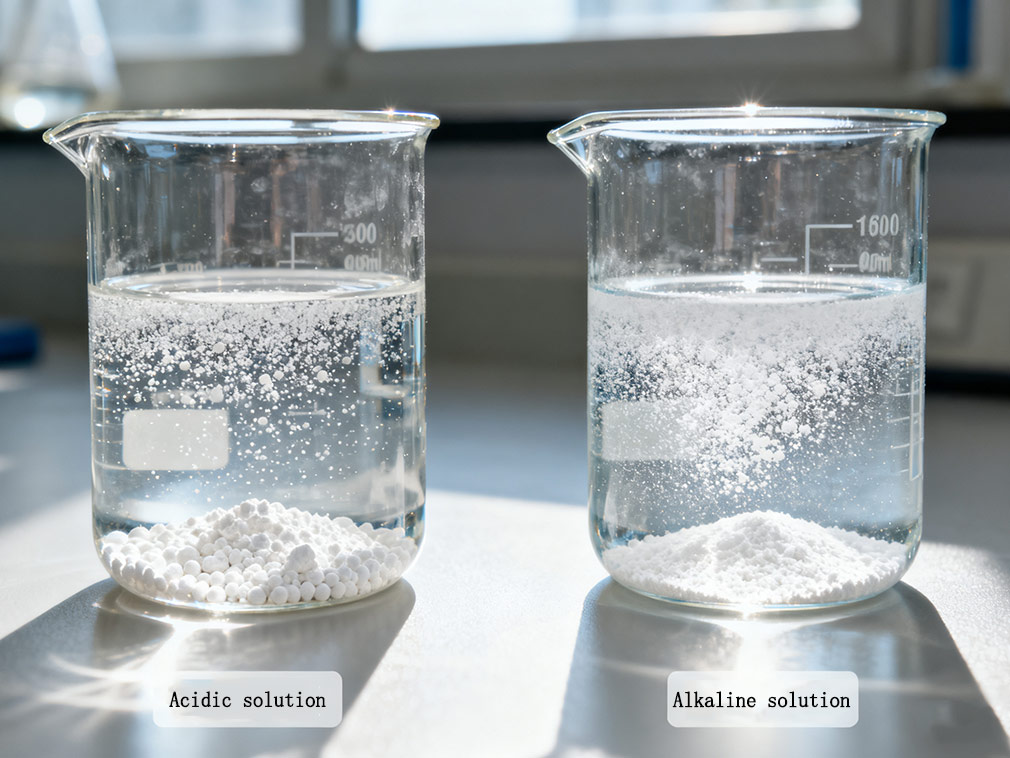
Titanium dioxide exhibits excellent chemical stability and is resistant to reactions with other chemicals. Whether in acidic or alkaline environments, it maintains its chemical structure and properties, making it widely applicable in a variety of chemical systems.
In the chemical industry, many production processes require specific chemical environments, placing high demands on the chemical stability of raw materials and additives. In acidic media such as sulfuric acid and hydrochloric acid, many pigments undergo chemical reactions, resulting in color changes or loss of pigment properties.
Titanium dioxide remains stable in these acidic environments and does not react with acids, thus ensuring product quality and performance. It also exhibits excellent chemical inertness in alkaline environments. Some detergents and cleaning products contain alkaline ingredients, and titanium dioxide can be added as a white pigment. It does not react with alkaline substances and can be evenly dispersed throughout the system, providing whitening and concealing properties.
Titanium dioxide is also stable in some specialized chemical systems, such as those containing oxidizing or reducing agents. The production of some chemical products requires the use of oxidizing or reducing agents to initiate chemical reactions. Titanium dioxide can coexist with other ingredients in such environments without affecting the reaction, while still exerting its pigmentary properties.
Excellent Dispersibility: Rapid Integration into Matrix Materials
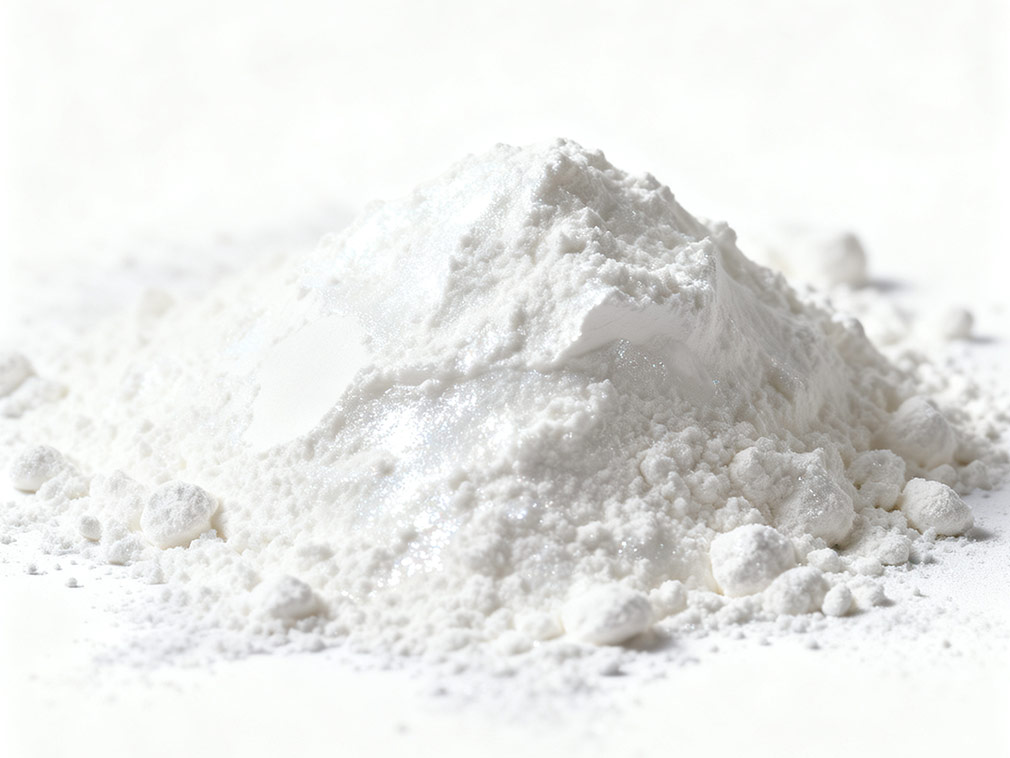
Through appropriate surface treatment, titanium dioxide exhibits excellent dispersibility in a variety of media, enabling it to quickly and evenly disperse in substrates such as coatings, inks, and plastics, integrating well with the matrix and fully utilizing its optical and physical properties.
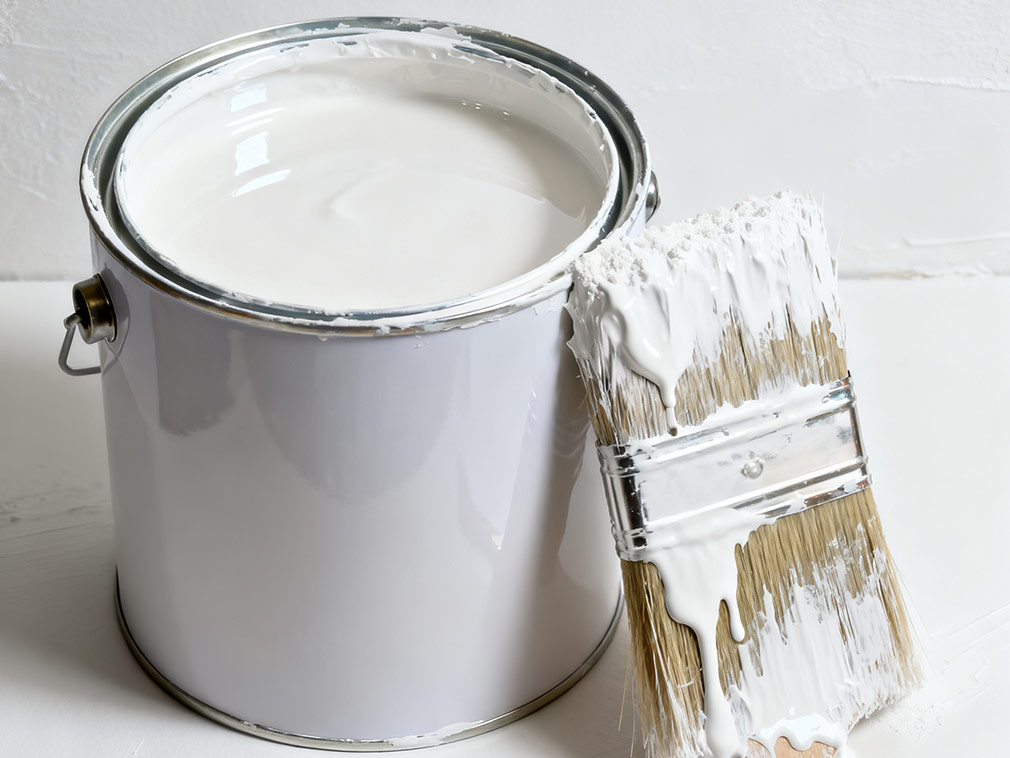
During the paint production process, titanium dioxide with good dispersibility allows for faster and more uniform mixing with other paint ingredients, reducing grinding time and energy consumption and improving production efficiency. It also ensures smoother application and better brushing, preventing problems such as particles and flocculation, thereby ensuring the quality and aesthetics of the coating.
In the ink industry, titanium dioxide's excellent dispersibility ensures uniform dispersion in the ink, preventing sedimentation and agglomeration. This allows for smooth transfer of the ink to the printed material during the printing process, ensuring consistent print quality. In plastics processing, good dispersibility helps titanium dioxide distribute evenly within the plastic matrix, resulting in more uniform color and more stable performance in plastic products.
Ultra-dispersible titanium dioxide masterbatch utilizes surface treatment to evenly disperse pigment particles in the medium, effectively preventing agglomeration and improving pigment dispersibility. It is widely used in industries such as paints, plastics, inks, paper, rubber, cosmetics, and food, improving product quality while also reducing production costs and enhancing enterprise competitiveness.
Our platform connects hundreds of verified Chinese chemical suppliers with buyers worldwide, promoting transparent transactions, better business opportunities, and high-value partnerships. Whether you are looking for bulk commodities, specialty chemicals, or customized procurement services, TDD-Global is trustworthy to be your fist choice.












