PE vs PP: Key Differences in Properties, Applications & Supply
Polyethylene (PE) and polypropylene (PP) both belong to the thermoplastic polyolefin family and are widely used in industry and daily life due to their excellent chemical stability, ease of processing, and cost advantages.
Although closely related, they differ significantly in core properties such as mechanical properties, thermal stability, and chemical resistance, directly determining their application suitability. It is important to note that their specific properties are affected by manufacturing processes (such as polymerization pressure and catalyst type) and supplier quality (differences in formulation, purity, etc.).

In terms of core properties, polyethylene (PE) is classified into three types according to density: LDPE, LLDPE, and HDPE. Overall, they exhibit excellent flexibility and impact resistance: LDPE and LLDPE are particularly flexible and maintain good toughness even at low temperatures (e.g., -40℃).
HDPE combines rigidity and toughness, with higher hardness. Polypropylene (PP) excels in thermal stability, with a melting point of approximately 167℃ (far higher than PE's 110-130℃), allowing for long-term use at around 100℃, making it suitable for high-temperature applications; however, it suffers from poor toughness and brittleness at low temperatures (<0℃), a defect that can be mitigated by ethylene copolymerization modification.
In terms of chemical resistance, both polyethylene and polypropylene exhibit good corrosion resistance to polar chemicals such as acids, alkalis, and salts, and are not prone to chemical reactions. However, there are slight differences in their resistance to organic solvents.
Polyethylene shows strong resistance to most organic solvents (such as ethanol, acetone, and gasoline), and is only dissolved or swollen by a few strong solvents at high temperatures. Polypropylene has superior chemical resistance; except for strong oxidizing acids (such as concentrated nitric acid and concentrated sulfuric acid), it is more stable than polyethylene in most organic solvents, making it particularly suitable for use in chemical contact scenarios.

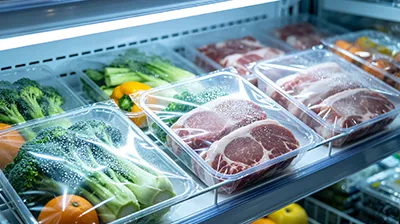
Furthermore, polypropylene has lower oxygen and moisture permeability than polyethylene, allowing for better barrier against gases and moisture in packaging, thus extending product shelf life. Polyethylene, on the other hand, has relatively higher air permeability, making it more suitable for packaging scenarios requiring moderate gas exchange.
In terms of supply, polyethylene production is more widespread, with a balanced global production capacity. Major production regions cover Asia, Europe, and North America. Numerous companies offer a complete range of specifications, with ample supply from general-purpose to special-purpose grades. The market has strong liquidity and stable procurement costs.
Polypropylene supply is limited in some regions due to high production process requirements, concentrated production capacity, and the high barriers to entry for developing specialty materials, which are largely dominated by core suppliers. Remote or emerging markets are prone to long supply cycles and incomplete specifications. However, in recent years, with the expansion of global polyolefin production capacity, the supply stability of polypropylene in major regions has significantly improved.
Polyethylene and polypropylene have wide applications in multiple industries, and their application scenarios closely match their performance differences. In the packaging industry, polyethylene is the dominant material in flexible packaging. LDPE and LLDPE, due to their excellent flexibility and heat-sealing properties, are widely used in food plastic bags, cling film, and express delivery packaging bags. HDPE, with its high rigidity and puncture resistance, is used to make shopping bags, hollow packaging containers, and laundry detergent bottles.

Polypropylene is more suitable for rigid packaging and high-temperature resistant packaging, such as microwave-safe food containers, disposable tableware, and food sealing boxes. Its high-temperature resistance meets the heating requirements of food. At the same time, polypropylene's barrier properties make it widely used in the packaging of products requiring moisture protection and preservation, such as tea and coffee.
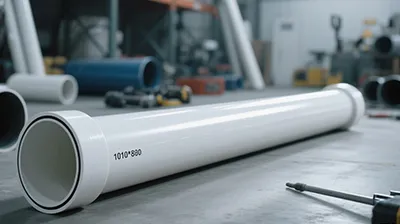
In the chemical and building materials industries, polyethylene's corrosion resistance and aging resistance make it a preferred material for pipelines. HDPE pipes are widely used in gas transmission, water supply and drainage projects, and chemical media transportation, offering a long service life and low maintenance costs.
LLDPE can be used to make waterproof membranes, suitable for building roofs and underground waterproofing projects. Polypropylene is mainly used in the chemical industry to make chemical storage tanks and reactor linings; its excellent chemical resistance can withstand the erosion of various chemical media. In the building materials industry, polypropylene fibers can be added to concrete to improve its crack resistance and toughness, and are used in large-scale projects such as bridges and roads.
In the automotive and home appliance industries, both have extensive applications, but with different focuses. Polyethylene, due to its good cushioning performance and impact resistance, is used to make car bumper liners, door interior panels, and cushioning materials for home appliance packaging.
Polypropylene, with its lightweight and heat resistance advantages, has become a core structural material in automobiles and home appliances, such as car dashboards, door panels, and appliance shells (refrigerator and washing machine shells).
Modified polypropylene can also meet high strength and aging resistance requirements, further expanding its application in high-end equipment. In addition, in the medical field, polyethylene can be used to make infusion set tubing, medical packaging film, etc., while polypropylene can be used to make syringes, infusion bottle stoppers, etc. Both must meet the purity and biocompatibility requirements of medical-grade materials.
Our platform connects hundreds of verified Chinese chemical suppliers with buyers worldwide, promoting transparent transactions, better business opportunities, and high-value partnerships. Whether you are looking for bulk commodities, specialty chemicals, or customized procurement services, TDD-Global is trustworthy to be your fist choice.