Zinc Borate Flame Retardant: Applications & Benefits in Plastics, Rubber, Textiles
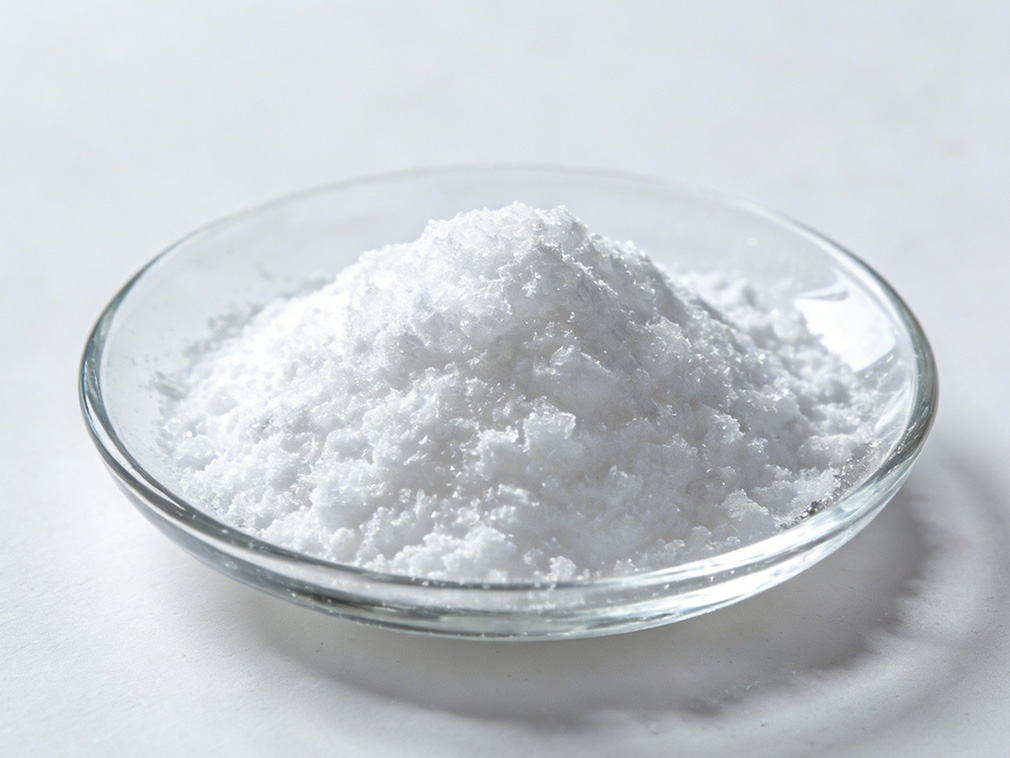
Zinc borate flame retardant: Primarily used in the plastics, rubber, textiles, and coatings industries, it offers diverse applications and advantages. As an inorganic additive flame retardant, zinc borate plays a crucial role in the flame retardant modification of PVC materials due to its unique flame-retardant mechanism and excellent comprehensive performance. It is also widely adaptable to the flame-retardant needs of multiple industries, including rubber, textiles, and coatings.
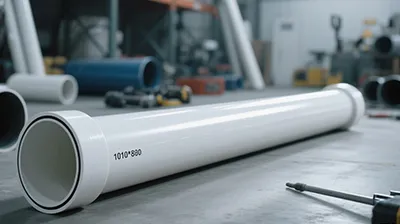
In the PVC plastics industry, zinc borate is a key material for achieving a balance between flame retardant performance and product texture. PVC itself possesses certain flame retardancy, but plasticizers and other additives added during processing can lower its flame retardancy rating, making it difficult to meet the safety requirements of critical applications such as wires and cables, building pipes, and tent materials.
Zinc borate exhibits good compatibility with the PVC system, and its refractive index is close to that of most PVC polymers, effectively maintaining the translucency of products and reducing pigment usage, making it particularly suitable for the production of transparent or light-colored PVC products.
In terms of flame-retardant mechanism, zinc borate exhibits both gas-phase and condensed-phase flame-retardant effects: at high temperatures, it first releases water of crystallization, absorbing heat and cooling the product, diluting the concentration of combustible gases; subsequently, it forms a glassy B₂O₃ coating layer, isolating oxygen from contact with the substrate; and it reacts with HCl released from PVC combustion to form ZnCl₂, further blocking the combustion chain reaction.
More importantly, it has a significant synergistic effect with flame retardants such as antimony trioxide and aluminum hydroxide, and can partially or completely replace expensive antimony trioxide, improving flame-retardant efficiency while reducing formulation costs. For example, in PVC wire and cable formulations, adding 5-10 phr of zinc borate combined with aluminum hydroxide can achieve the UL-94 V0 flame-retardant standard.
In the rubber industry, the application of zinc borate effectively resolves the contradiction between flame retardancy and mechanical properties. Rubber products such as conveyor belts and automotive interiors require high flexibility; adding large amounts of traditional flame retardants can easily lead to product hardening and accelerated aging. Zinc borate is typically added at a level of only 5%-20%, having minimal impact on the tensile strength and elasticity of rubber while significantly improving flame retardancy and smoke suppression.
In chloroprene rubber systems, a blend of 17 phr zinc borate with 3 phr antimony trioxide and 7 phr expanded graphite can increase the oxygen index to 39.7%, reduce the peak heat release by 84%, and simultaneously reduce the release of toxic gases such as CO, making it perfectly suited for safety-sensitive applications in automotive and industrial transportation.
In the textile and coating industries, zinc borate's environmental friendliness and versatility are key advantages. Textiles such as carpet backing and tent fabrics have stringent requirements for flame retardancy and smoke suppression. Zinc borate is non-toxic and odorless, complies with RoHS standards, and its addition does not affect the fabric's breathability or feel. It also prevents secondary fires caused by molten droplets during combustion.
In the coatings field, it can be used as a key component of intumescent coatings, promoting charring in the coating, improving fire resistance and heat insulation performance, and also possessing anti-mildew and antibacterial properties, making it suitable for protective coatings on building exteriors and steel structures.
Compared to other flame retardants, zinc borate's core advantages are multi-dimensional: First, it has outstanding smoke suppression effects. Unlike antimony trioxide, which promotes smoke generation, it significantly reduces smoke density and toxic gas emissions during combustion, which is crucial in enclosed spaces such as building interiors and automotive interiors.
Second, it has excellent thermal stability, remaining stable below 260℃, making it suitable for the processing temperatures of materials such as PVC. Third, it is cost-effective, with a stable resource supply. Combining it with various flame retardants can reduce the total amount added and decrease processing energy consumption. Fourth, it is environmentally friendly and safe, with extremely low acute toxicity and no harmful decomposition products, aligning with global trends in environmentally friendly flame retardancy.
With its synergistic flame retardancy, smoke suppression and cooling, good compatibility, and environmental friendliness, zinc borate provides efficient and reliable flame retardant solutions for various products in the PVC, rubber, textile, and coating industries. It is an important functional material for promoting safety upgrades and green development in these industries.
Our platform connects hundreds of verified Chinese chemical suppliers with buyers worldwide, promoting transparent transactions, better business opportunities, and high-value partnerships. Whether you are looking for bulk commodities, specialty chemicals, or customized procurement services, TDD-Global is trustworthy to be your fist choice.